JAMMU KASHMIR
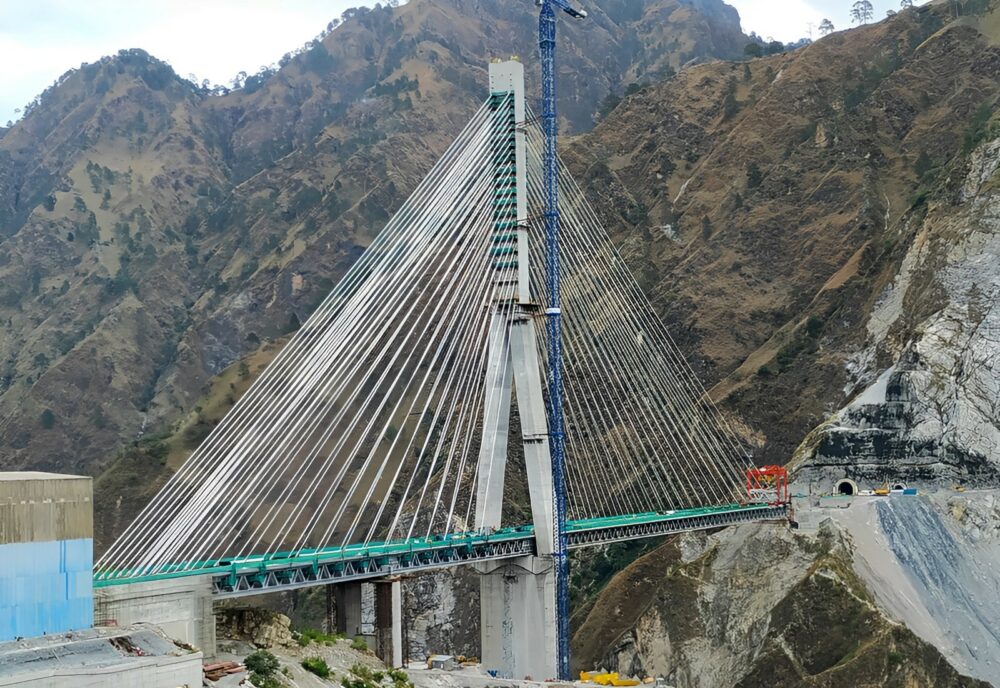
Jammu Railway Division has announced the transportation of 644 tonnes of cherries from Jammu and Kashmir to Mumbai, aimed at strengthening market access for perishable produce. The move is part of broader efforts to enhance freight connectivity and support the region’s agricultural economy. Earlier, the Railways had delivered its first 500-ton bulk consignment of Amul dairy products to Jammu and Kashmir via a 20-wagon freight train from Gujarat, improving supply chains and reducing reliance on road transport. The government plans to permit a direct Vande Bharat Express service between Jammu and Srinagar by April 30, enhancing all-weather connectivity and passenger convenience across the Union Territory.
The Wular Conservation and Management Authority (WUCMA) has earned over Rs 25 crore from ongoing willow tree extraction.
MUMBAI

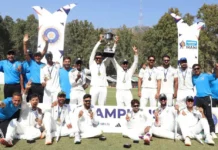
The Mumbai Police Crime Branch has arrested a woman cricketer linked to the Jammu and Kashmir T20 League, her brother, and an associate in connection with an alleged sextortion and extortion case involving a 28-year-old Mumbai-based businessman. The accused have been identified as Farkhanda Aziz Khan (30), her brother Bazil Aziz Khan (27), and Uddin Imtiyaz Wani (22). While Farkhanda and Bazil were arrested from a hotel in Delhi, Wani was apprehended from Srinagar, officials said. According to investigators, the complainant, a Colaba resident, came into contact with Farkhanda in 2024 while living in Mumbai’s western suburbs. What began as routine communication allegedly escalated into explicit exchanges initiated by the accused. Police said Farkhanda later introduced the complainant to her brother and Wani, after which she allegedly began demanding money, citing financial distress.
When the complainant refused, she allegedly threatened to make their private conversations public. Under pressure, the victim transferred Rs 23.61 lakh to Farkhanda’s bank account through 32 transactions between April 30, 2024, and January 13, 2026. Investigators found that a significant portion of the funds was routed to Wani’s account, while some transactions were also traced to an account belonging to Farkhanda’s father, Abdul Aziz Khan. Officials said Bazil and Wani also issued threats, claiming they possessed screenshots of chats and warning of serious consequences, including legal action. Following this, the complainant allegedly paid an additional Rs 40 lakh in January 2026. An FIR has been registered under the relevant provisions of the Bharatiya Nyaya Sanhita and the Information Technology Act. Further investigation is underway.
LG Manoj Sinha said Jammu and Kashmir attracted Rs 5,824 crore in industrial investment in 2025–26, 13 times the pre-2021 average.
LONDON

Line of Control, directed by Travis Hodgkins, departs from conventional war cinema by opening not with combat, but with a stark juxtaposition of beauty and death in Kashmir. Adapted from The Collaborator by Mirza Waheed, the film is set during the 1990s insurgency along the Line of Control and follows a 17-year-old protagonist known only as “the Boy.” As militancy draws away young men from his village, the Boy is forced into a grim role by an Army officer, played by Rudi Dharmalingam. He must collect identity cards and weapons from dead insurgents scattered across a valley, an act that underscores the moral ambiguity and psychological toll of survival in conflict.
The film avoids political binaries, focusing instead on intimate human experiences, disappearances, fractured families, and lost youth. Nikhil Singh Rai delivers a restrained performance, capturing trauma through silence and subtlety. Cinematographer Johan Holmqvist presents Kashmir as both visually stunning and deeply scarred. Rather than offering resolution, the narrative leans into emotional fatigue and ethical complexity. Early festival responses highlight its impact, with viewers noting its ability to humanise conflict beyond statistics. “Line of Control” ultimately presents a haunting portrait of adolescence shaped by violence, where survival comes at the cost of innocence.
Only 5–6 per cent of the nearly 20 tonnes of silver offered at the Vaishno Devi shrine was found to be genuine, with the rest containing impurities, including banned metals like cadmium.
JAMMU
In a lapse by the Jammu and Kashmir Power Development Department, two deceased engineers were included in a transfer list of 82 issued on April 15. Anita Karalia had died in December 2025, and Pawan Dev Singh in March 2026. Six others were posted against non-existent vacancies. Officials said corrections will be made after the error is reported.
JAMMU
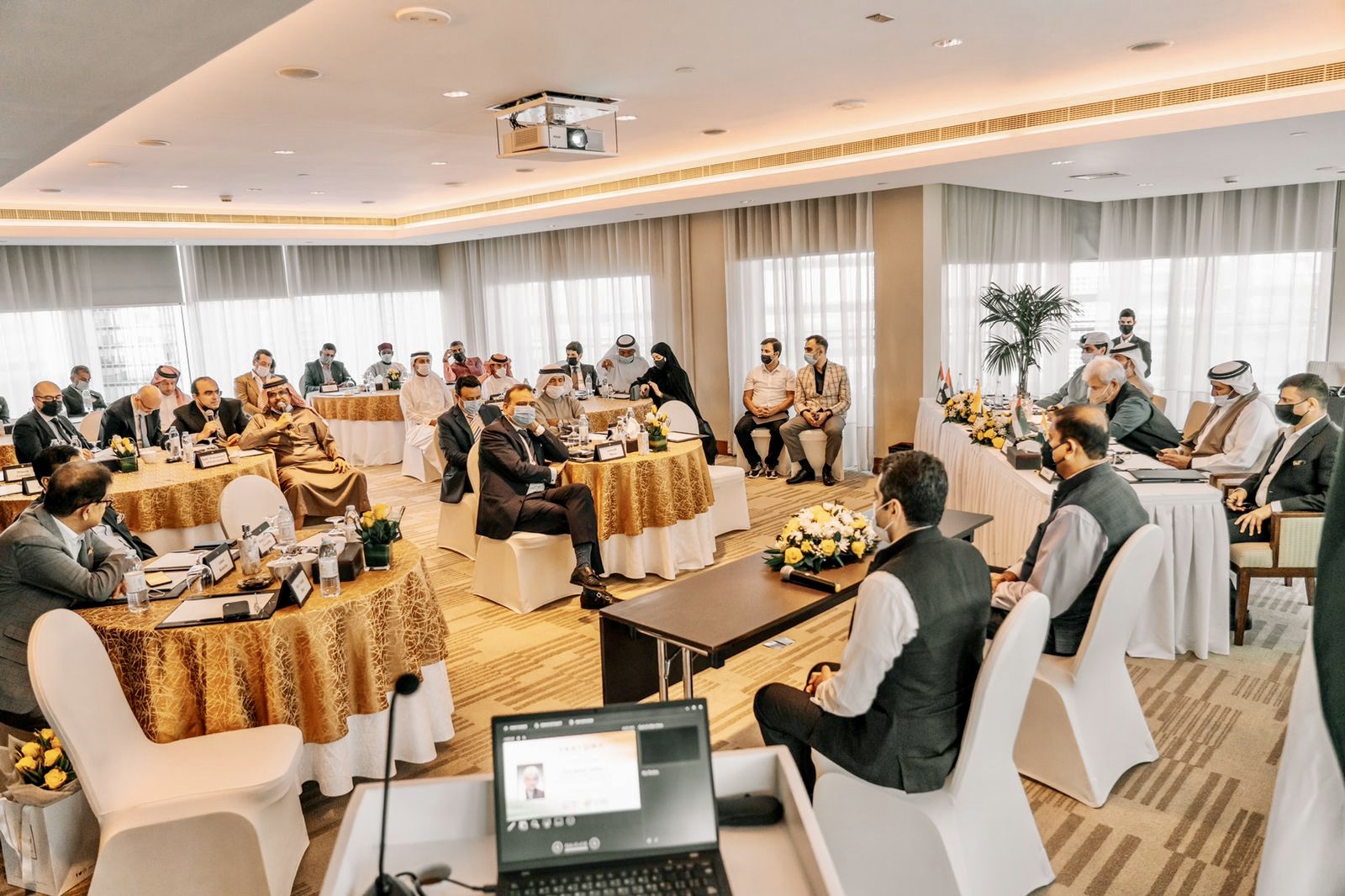
Eveready Industries India Ltd. inaugurated India’s only operating alkaline battery manufacturing facility in Samba, Jammu, with an investment of about Rs 200 crore. The greenfield plant has an annual peak production capacity of around 360 million batteries and an installed capacity of 456 million units. Equipped with a 1 MW rooftop solar system, rainwater harvesting (275 KLD), and zero-discharge operations, the facility is designed for sustainable manufacturing. It is expected to generate over 500 direct and indirect jobs while boosting domestic production, reducing import dependence, and strengthening supply chains in the battery segment.
UDHAMPUR

At least 21 passengers were killed, and 62 were injured when an overloaded private bus plunged nearly 100 metres near Kaghote village in Udhampur’s Ramnagar area on the morning of April 20, 2026. The 42-seater bus, carrying over 65 passengers, reportedly lost control after a tyre burst while overspeeding, crashing downhill and crushing an auto-rickshaw before overturning. Seventeen victims died on the spot, while four succumbed en route to the hospital. Army personnel, locals and police led a difficult rescue operation, extricating survivors from the mangled vehicle. Several critically injured were referred to hospitals in Udhampur and Jammu. Authorities have registered a case, arrested the driver, and launched an inquiry, with initial findings pointing to overloading, overspeeding and prior traffic violations as key factors.
DELHI
The National Investigation Agency has told the Delhi High Court that jailed separatist leader Yasin Malik was in contact with Pakistan’s top leadership, including its Prime Minister and President, to propagate anti-India narratives and further a secessionist agenda in Jammu and Kashmir. The agency has sought the death penalty for Malik in a terror-funding case in which he is already serving a life sentence awarded in 2022 under the Unlawful Activities (Prevention) Act.
In its submission, the NIA said Malik’s references to interactions with Indian political leaders and officials do not absolve him of charges, alleging he maintained links with militant figures such as Hafiz Saeed and other banned organisations. It argued that such claims were aimed at gaining sympathy.
Malik, who has been in custody since 2019 and is representing himself via video conferencing from Tihar Jail, has denied the allegations, claiming he is being made a scapegoat and was engaged by successive Indian governments in peace efforts. The court has adjourned the matter to July after directing authorities to provide him with a copy of the NIA’s rejoinder.
HAZRATBAL
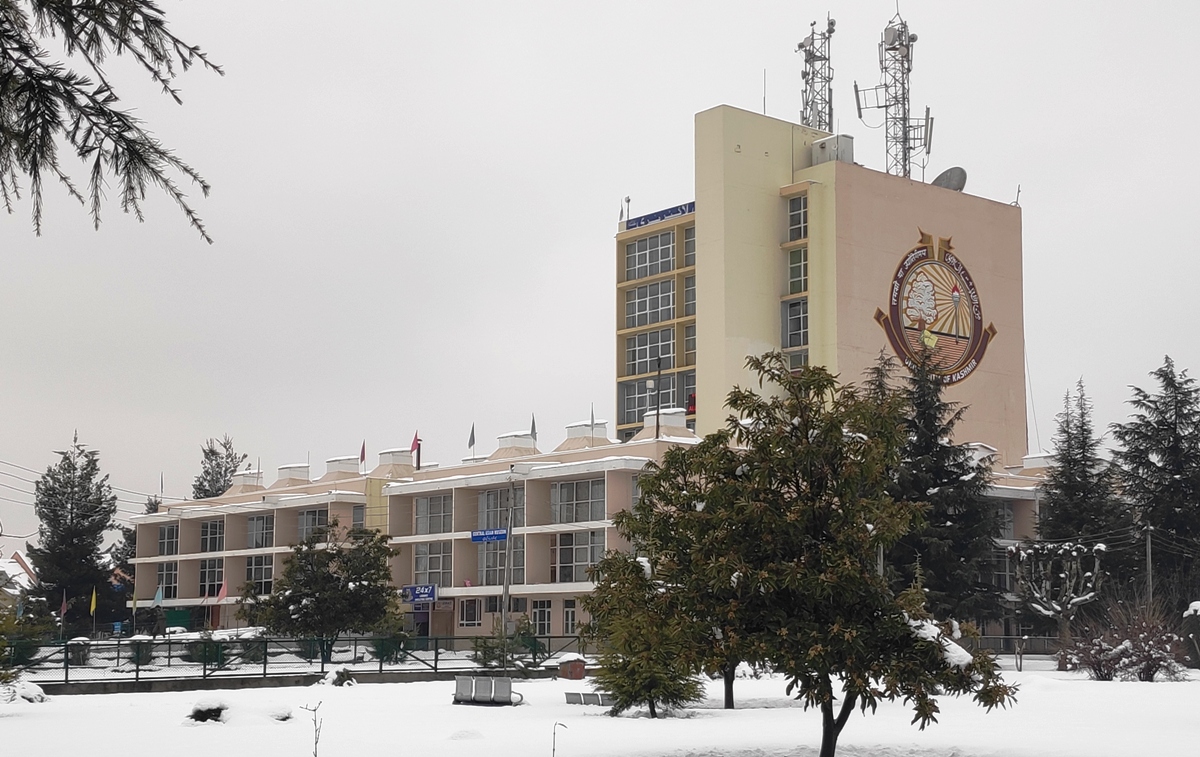
A scientist at the University of Kashmir has been suspended following his arrest in an alleged rape case, officials said. Sajad Mohammed Khan, 53, from Soura, was placed under suspension with immediate effect under Rule 31 of the Jammu and Kashmir Civil Services Rules after being taken into custody in connection with FIR No 11 of 2026 registered at the Women’s Police Station Rambagh.
Police said Khan has been booked under Section 64 of the Bharatiya Nyaya Sanhita. According to a complaint by a 28-year-old woman, the accused entered into a relationship with her in 2018 and allegedly established physical relations on the promise of marriage. She claimed she became pregnant multiple times and that the pregnancies were terminated at his insistence.
The complainant also alleged financial exploitation, stating she sold land, gold, and took a bank loan under pressure. She further accused him of issuing threats and intimidation. Police said the accused is in custody and the investigation is ongoing. Khan’s side of the story, however, is not known.
SHUHAMA

SKUAST-K has introduced high-yielding Saanen goats, known as the Milk Queen, at its Mountain Research Centre in Shuhama to boost milk production and promote small-scale dairy models in Kashmir. A total of 24 goats, including 20 females and 4 males imported from Switzerland, are currently under scientific study to assess adaptability, feeding patterns, disease resistance, and reproductive performance in local conditions.
The breed produces 3-4 litres of milk daily, with potential up to 7 litres, while requiring significantly less feed and space than cattle, making it suitable for urban households. The project aims to develop an “urban goat” model and a complete package of practices for field adoption. Plans include cross-breeding with local goats to enhance productivity while retaining climatic adaptability, alongside training programmes to support youth-led dairy ventures and expand sustainable, low-cost milk production systems in the Valley.
KASHMIR
The Jammu and Kashmir government has taken over management of 58 schools in the Valley linked to the banned Jamaat-e-Islami through its Falah-e-Aam Trust. Officials said district administrations and police teams assumed control, with deputy commissioners set to form new managing committees after verification. The move follows an earlier takeover of 215 such schools in 2024. Authorities said the action aims to safeguard students’ academic future, citing expired management panels and adverse intelligence reports. The Union Home Ministry had declared Jamaat-e-Islami a proscribed organisation under the Unlawful Activities (Prevention) Act.
LADAKH

Phunchok Stobdan, former Indian Ambassador to Kyrgyzstan and a noted expert on Himalayan geopolitics, passed away on April 19 at the age of 67. A native of Leh, Stobdan had a distinguished career spanning diplomacy, academia, and strategic policy, including roles in the National Security Council Secretariat and as a senior fellow at the Institute for Defence Studies and Analyses.
He also founded the Ladakh International Centre and authored key works such as The Great Game in the Buddhist Himalayas, focusing on India-China dynamics. Widely respected for his scholarship and insight, he contributed to leading publications and policy discourse on Asian and Eurasian security.
Tributes poured in from Ladakh, with Chief Secretary Ashish Kundra and political leaders recalling his intellectual depth and public service. Stobdan was regarded as an influential voice in strategic affairs and a source of inspiration for young scholars and aspirants in the region.