SRINAGAR
A video filmed by a non-native doctor inside Lalla Ded Hospital in Srinagar, capturing restricted areas like the labour room and operation theatre during a live surgery, has sparked outrage over the casual violation of women’s privacy in medical spaces. The doctor, speaking to the camera while walking through sensitive zones and showing ongoing procedures, has been accused of displaying gross insensitivity and disregard for ethical and legal boundaries. Critics argue that the incident exemplifies how easily women’s privacy and dignity can be taken for granted, even in a facility meant for maternity care. Legal experts warn the act may violate Article 21 of the Constitution, which guarantees the right to privacy, and could attract prosecution under Section 66E of the Information Technology Act, which criminalises capturing and sharing private images without consent. Government Medical College Srinagar has ordered an inquiry and promised action. However, the incident has reinforced public concerns about accountability and the cultural normalisation of privacy breaches in clinical settings, especially those involving women. Coming days after a major doctors’ strike at another government hospital, the video has further shaken public trust in the state-run healthcare system and highlighted the need for stricter safeguards around patient rights and doctor conduct.
LADAKH

Ladakh’s Changthang plateau, the sole source of the world-renowned Pashmina wool in India, is at the centre of a renewed government push to modernise and sustain its traditional nomadic economy. Under the Integrated Wool Development Programme (IWDP), projects worth Rs 18.56 crore have been sanctioned, primarily aimed at strengthening Pashmina-linked infrastructure and livelihoods. A key intervention is the setting up of a de-hairing plant to process raw wool locally, reducing wastage and increasing value addition. Support for nomadic herders includes predator-proof corrals and portable tents to protect the prized Changthangi goats from harsh elements and wildlife. Besides, a revolving wool marketing fund has been established to reduce dependence on middlemen and stabilise incomes. DNA-based fibre testing and traceability tools are also being introduced to ensure quality and authenticity. Handloom and charkha distribution further supports artisan production of traditional shawls and garments. Central to this ecosystem is the All Changthang Pashmina Growers Cooperative, which procures, processes, and markets the wool from over 600 families, ensuring fair pricing and reinvestment of profits back into the community.
SANASAR
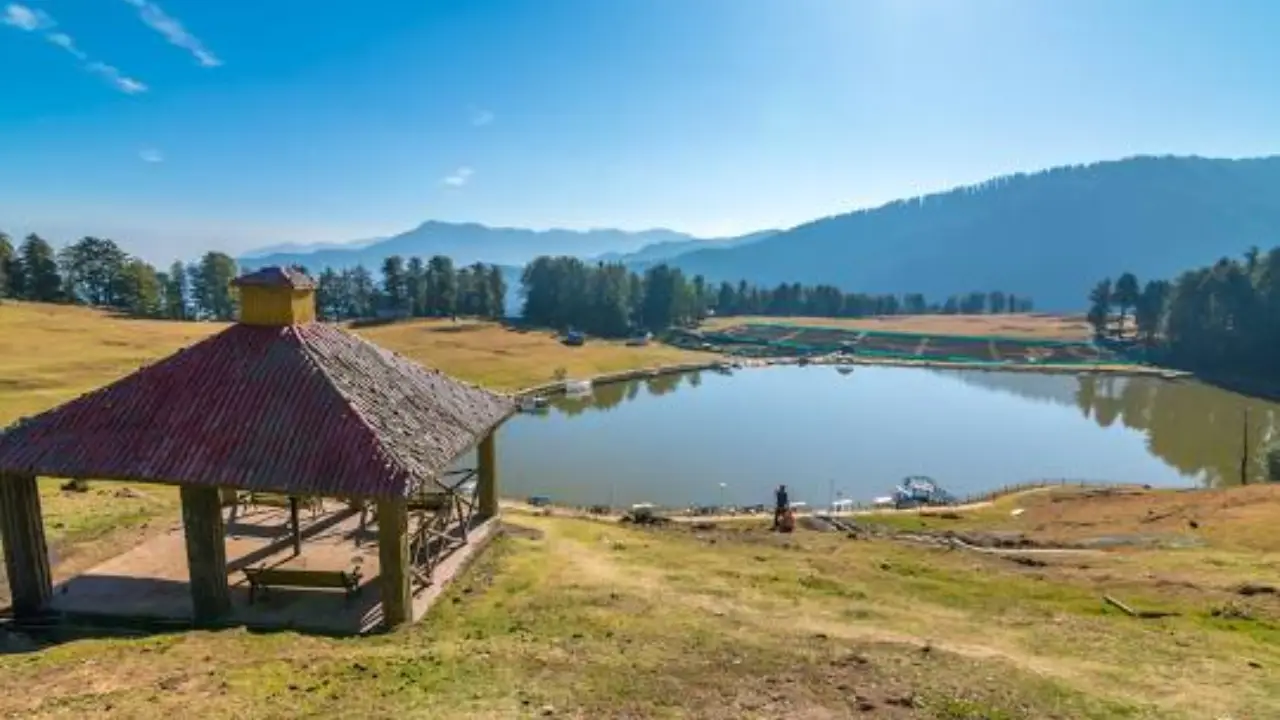
Two government schoolteachers from Udhampur lost their lives after being swept away by a flash flood in a mountain stream near Jalebi Morh in Ramban district, following heavy rainfall in the region. The teachers were returning to Sanasar after attending a training session at DIET Kud when the incident occurred. Their bodies were recovered downstream after a police and SDRF-led search operation. Torrential rain also triggered widespread landslides and flash floods, blocking key roads including the Reasi-Mahore, Udhampur-Pancheri, and Basohli-Bani routes. Authorities responded by closing schools in affected districts and issuing warnings for residents in vulnerable areas. Earlier, two youths died in a tragic landslide at Badora in Reasi, while three others were rescued in separate flood-related incidents in Rajouri and Samba. The deceased, part of a group preparing for a religious event near Shiv Gufa, were buried under debris while asleep in a tent. Authorities rushed to the spot, recovered the bodies, and launched rescue and relief efforts.
LADAKH
Two Army personnel, including Lieutenant Colonel Bhanu Pratap Singh Mankotia, were killed and three officers injured when a boulder fell on their SUV during a convoy movement in eastern Ladakh’s Charbagh near Durbuk on July 30, 2025. The accident occurred around 11:30 am while the convoy was en route from Durbuk to Chongtash for a training mission. The vehicle was severely damaged in the impact. The injured, two Majors and a Captain, were evacuated to a military hospital in Leh. The Fire and Fury Corps paid tribute to the deceased soldiers, acknowledging their sacrifice in the line of duty and expressing condolences.
JAMMU

Manan Anand, 20, has been arrested in Jammu for attempting to murder a 68-year-old businessman in a brutal road rage incident captured on CCTV. The incident occurred near Green Belt Park in Gandhi Nagar, where Anand, driving a Thar, first hit Kamal Dutt’s scooty and then deliberately reversed the vehicle to run over him again, leaving the elderly man critically injured. Rather than helping, Anand abused the victim and fled the scene. Dutt, suffering serious head injuries, was initially treated at Government Medical College Jammu but was later shifted to Fortis Hospital in Punjab as his condition worsened. Initially charged with rash driving, Anand now faces an attempted murder charge after police reviewed CCTV footage. His vehicle has been seized, and after a 72-hour manhunt, police teams arrested him in Jammu. The shocking act has drawn widespread outrage, with the victim’s family demanding strict punishment for the accused.
JAMMU

A magisterial inquiry has been launched by the Jammu district administration into the killing of Mohammad Parvez, a 21-year-old Gujjar youth, in a controversial police operation on July 24 in the Satwari area. Parvez was allegedly shot during a police operation against drug peddlers. While the police claim he died in crossfire, his family insists he was an innocent victim, triggering widespread protests. The incident has drawn sharp criticism from political leaders, who accuse the police of misuse of power, staging fake encounters, and targeting minorities under a larger conspiracy. Two cops have been suspended, and a Special Investigation Team has been constituted. Politicians, including Omar Abdullah, Mehbooba Mufti, and Minister Javed Rana, have demanded a transparent, time-bound probe. The administration has also reportedly promised the victim’s family compensation and a government job. The killing has reignited debates over policing, minority rights, and governance in Jammu and Kashmir, with mounting demands for accountability, restoration of statehood, and rebalancing of administrative structures.
SHALIMAR
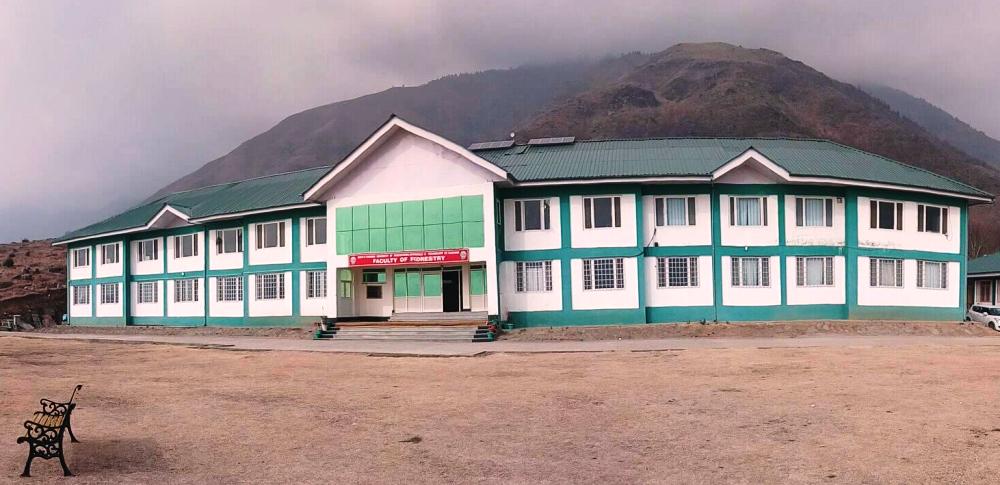
Two PhD scholars from SKUAST-Kashmir, Junaid Nazir and Afnan Saleem, have earned prestigious fellowships, bringing acclaim to their university. Afnan became the first veterinarian from SKUAST-K to receive the INSPIRE Faculty Fellowship from India’s DST for her work on bovine mammary gland infections. Junaid secured a postdoctoral position at Oregon State University, USA, for his research on oral vaccines against Salmonella. Both scholars, with multiple publications and patents, have been praised for their scientific excellence and contribution to biotechnology.
JAIPUR
Shweta Singh, a final-year BDS student from Doda, allegedly died by suicide at Udaipur’s Pacific Dental College on July 24, triggering protests and outrage. Found hanging in her hostel room, Shweta left a handwritten note accusing two faculty members of prolonged harassment, including bribe demands, academic obstruction, and emotional abuse. Students claim college authorities delayed response, failed to secure the scene, and attempted to suppress witness testimonies. Despite widespread protests and the suicide note, police registered an FIR three days later, and no arrests have been made, prompting demands for a judicial inquiry and systemic reforms.
LEH
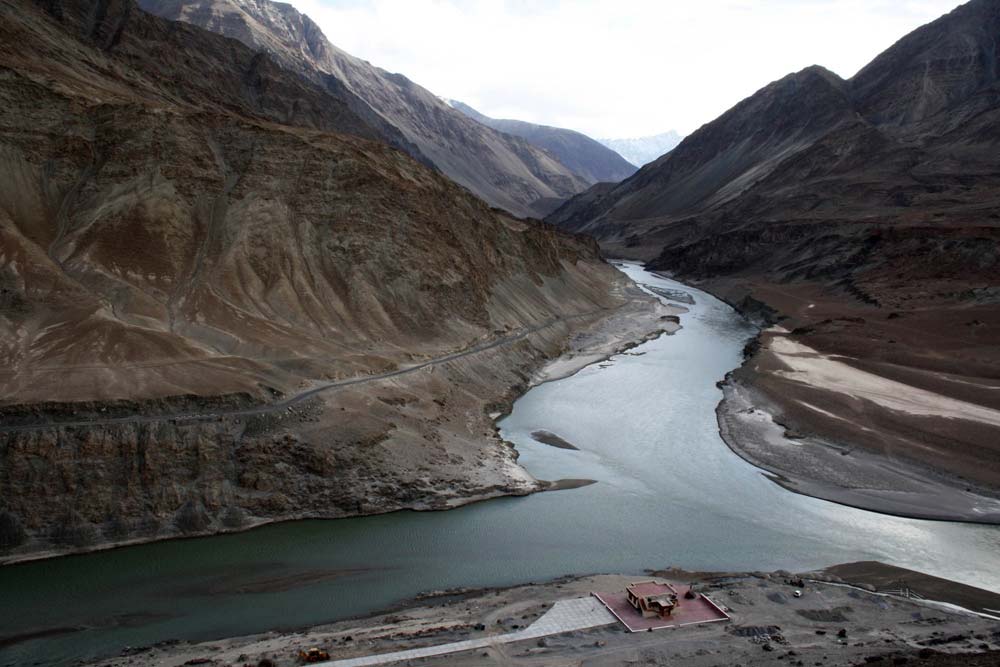
In a major environmental push, the Ladakh administration has launched a mission-mode clean-up of the Indus River from Upshi to Phey, aiming for Zero Tolerance Against Pollution. The initiative focuses on curbing plastic waste, improving sewage and hospital waste systems, and enforcing legal action against polluters. Religious leaders, armed forces, and local bodies will participate. A mass Safai Andolan on August 12 will involve schools and villages, signalling a unified effort to protect Ladakh’s ecological and spiritual lifeline.
KUPWARA
The booking of six Jammu and Kashmir police officials, including DySP Aijaz Ahmad Naiko and Sub-Inspector Riyaz Ahmad, followed a Supreme Court-ordered CBI probe into the alleged custodial torture of Constable Khursheed Ahmad Chohan in February 2023. Khursheed, summoned to Kupwara’s Joint Interrogation Centre under the pretext of a narcotics probe, was brutally tortured for six days, beaten with rods, electrocuted, and subjected to genital mutilation, as per his wife’s complaint. The Supreme Court criticised the Jammu and Kashmir High Court for failing to protect constitutional rights and ordered Rs 50 lakh compensation, holding the police’s suicide claim baseless. The apex court cited “barbaric” torture, noting the dismembered genitalia were delivered separately to the hospital, and medical evidence disproved self-infliction. It highlighted the inconsistency in FIR timing, asserting Khursheed’s illegal detention. The CBI has also been directed to investigate systemic failures at the Kupwara centre, including reviewing CCTV footage and interrogation procedures. While the SSP Kupwara, under whose authority Khursheed was summoned, is not named as an accused, the court has mandated departmental action against responsible officers. The Supreme Court declared torture one of the gravest instances of police brutality, warning against systemic cover-ups and calling for institutional accountability and reform.
DELHI
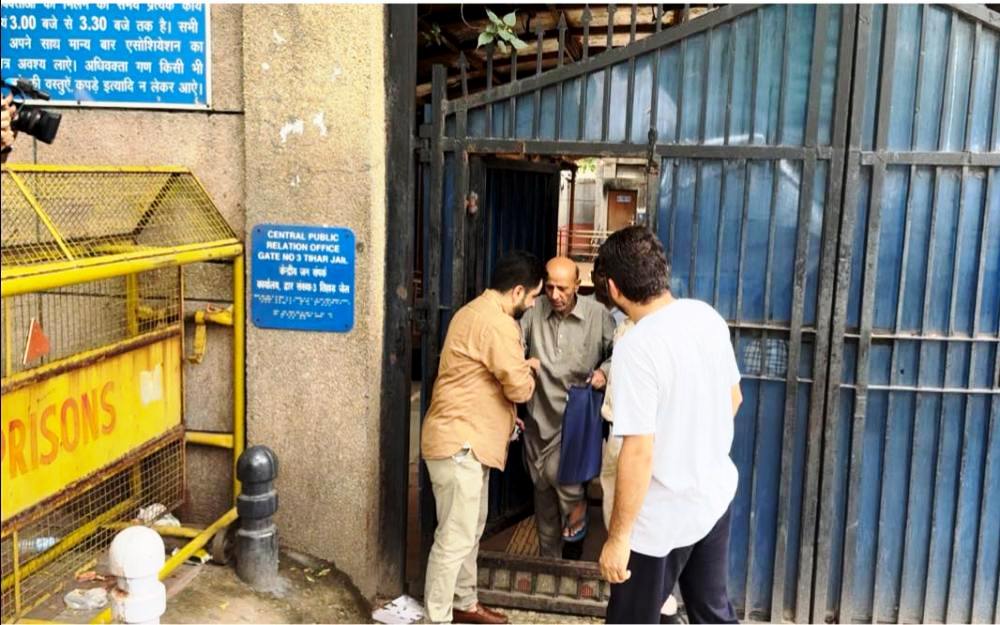
In what may be one of the costliest debates in parliamentary history, jailed MP Engineer Rashid was directed to pay Rs 17 lakh as a condition for custody parole to attend the ongoing Lok Sabha session. Challenging this in the Delhi High Court, his counsel called the cost excessive and punitive.
JAMMU KASHMIR
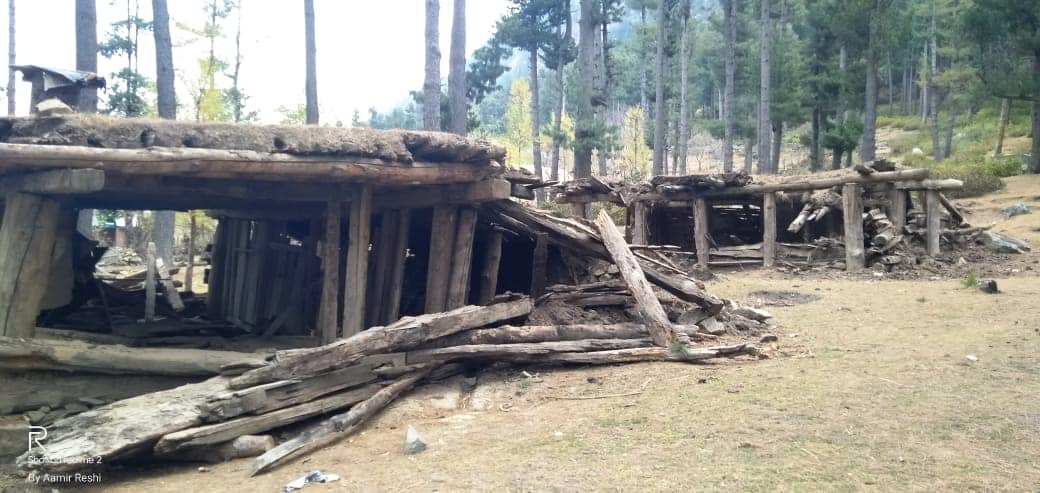
In Jammu and Kashmir, 86 per cent of forest land claims under the Forest Rights Act have been rejected, according to data shared in the Lok Sabha. Of 46,090 total claims, 33,233 individual and 12,857 community, only 6,020 have been approved. Rejection of 32,727 individual and 7,197 community claims has triggered criticism from tribal leaders, who allege the process is designed to dispossess forest dwellers. Officials cite a lack of documentation, while activists blame procedural opacity and political motives. Tribals, who make up 12 per cent of the population, are reportedly denied rights despite legal entitlements, prompting calls for legal challenge and grassroots mobilisation.