GAGANGEER
The newly inaugurated Z-Morh (Sonamarg) Tunnel, a 6.5-km-long bi-directional road tunnel connecting Gagangir and Sonamarg in central Kashmir’s Ganderbal district, marks a significant milestone in enhancing regional connectivity. Situated at over 8650 feet above sea level, the tunnel includes a 7.5-metre escape passage for emergencies, ensuring safer travel. It offers all-weather access between Srinagar and Sonamarg, bypassing vulnerable routes prone to landslides and avalanches, and promises to break the area’s historical isolation, especially in winter months when snow often closed vital routes for months. Minister Nitin Gadkari lauded the tunnel as a “marvel of engineering,” noting it will revolutionise tourism, economic activity, and daily commuting, ensuring year-round connectivity to the scenic Sonamarg region. LG Manoj Sinha emphasised the transformative power of the tunnel, highlighting its potential to uplift the socio-economic conditions of the area by boosting tourism and local development. The infrastructure project is poised to elevate Sonamarg from its winter slumber, with substantial economic and social benefits on the horizon. This tunnel, along with ongoing major infrastructure initiatives like the Zojila Tunnel, is set to reshape the region’s future, contributing significantly to Jammu and Kashmir’s development.
SONAMARG
At the inauguration of the Sonamarg Tunnel, Jammu Kashmir Chief Minister Omar Abdullah made an impassioned plea for the restoration of Jammu and Kashmir’s statehood, reminding Prime Minister Modi of his earlier promises made during International Yoga Day in Srinagar. Omar praised Modi for fulfilling commitments like holding free and fair elections and bridging the gap between Jammu Kashmir and the Centre but emphasised that the restoration of statehood remained a pressing issue for the people. Modi, in his response, avoided a direct mention of statehood but suggested that his promises are fulfilled at the “right time.” He emphasised the significance of ongoing development projects, including the Zojila Tunnel and other critical infrastructure initiatives, highlighting their role in fostering connectivity, democracy, and economic growth in the region. Modi reiterated his focus on delivering tangible progress while maintaining ambiguity on statehood restoration.

Jammu Kashmir experienced its driest year in five decades in 2024, with rainfall levels dropping to just 870.9 mm, 29 per cent below the normal average of 1232.3 mm.
PAMPORE

Gold fever has gripped Pampore as Sajad Ahmad Bhat and his daughter Muskan triumphed at the Pencak Silat World Championship in Abu Dhabi, winning gold in the Masters and Junior categories. Held from December 18 to 22, the event featured participants from 57 countries. Muskan’s victory against a German opponent marked a career milestone, while Bhat’s lifelong dedication to martial arts has inspired countless youth in south Kashmir. Bhat, a pioneer in promoting Pencak Silat locally since 2012, attributes their success to hard work, community support, and family collaboration, showcasing Pampore’s burgeoning prominence in the martial arts arena.
Jammu Kashmir Police have frozen more than 100 bank accounts allegedly linked to drug trafficking in Srinagar
SRINAGAR
The Jammu Kashmir Police said it has detained six individuals under Sections 126 and 170 of the Bharatiya Nagarik Suraksha Sanhita (BNSS) for allegedly inciting sectarian unrest in Srinagar through derogatory remarks. The arrests followed outrage over a video showing offensive comments against the companions of Prophet Muhammad during a Mushaira, sparking tensions between Shia and Sunni communities. Religious leaders from both sects strongly condemned the remarks, calling for unity and mutual respect. The Muttahida Majlis-e-Ulema also denounced the act and urged restraint. Authorities warned the public against posting or sharing sectarian content online, with cyber police actively monitoring social media for inflammatory posts. Religious scholars emphasised that such divisive actions violate Islamic principles and urged people to verify rumours and promote unity.
Home Minister said nearly 2.80 crore tourists, mostly from Gujarat, have visited Kashmir post-2019 and returned safely without facing any issues.
BHADERWAH
Authorities in Doda have introduced skiing at the snow-covered Guldanda meadow in Bhaderwah to attract tourists and adventure enthusiasts. Organised by the tourism department and Bhaderwah Development Authority, a skiing training programme has drawn significant participation from tourists and locals, including women. Located at 10,000 feet on the Bhadarwah-Pathankot highway, Guldanda’s slopes between the Ashapati and Kailash glaciers are ideal for beginners and professionals, experts say. The initiative has boosted interest in winter sports, with participants expressing gratitude for the opportunity. Officials believe Guldanda has the potential to become a prominent hub for snow sports in Jammu and Kashmir.
Of 19,23,500 households in Jammu and Kashmir, only 15,53,622 (80.77 per cent) have tapped water at home.
SRINAGAR
Within days of initiating investigations into alleged irregularities in the Srinagar Smart City project, the government transferred several officers within the Anti-Corruption Bureau (ACB) and repatriated three senior officers to the Home Department. The ACB is conducting inquiries into the misappropriation of construction materials and the use of substandard materials in projects such as cycle tracks and viewing decks along Foreshore Road. Allegations include materials being sold for personal gain and deliberate procedural lapses to benefit contractors. The agency also recently raided premises linked to senior officials of Srinagar Smart City Ltd as part of a disproportionate assets investigation. The ACB, in the meanwhile, said the transfers were delinked from the Smart City investigations.
KASHMIR
The Chinar tree population in Kashmir has declined significantly due to environmental changes, urbanisation, and illegal felling. Once numbering over 42,000 in the 1970s, current estimates range from 17,000 to 34,000, with ongoing censuses placing the figure at 32,500. Climate change—manifested in rising temperatures, erratic rainfall, and prolonged droughts—has worsened the situation, making Chinars susceptible to pests, diseases, and environmental stress. The trees, central to Kashmir’s cultural and ecological identity, support biodiversity, prevent soil erosion, and act as carbon sinks. Their decline threatens local ecosystems and intensifies climate issues. Notable landmarks like Shalimar Garden and Naseem Bagh have seen significant losses, with many trees in deteriorating health. Efforts to conserve Chinars include geo-tagging, sapling distribution, gene pool conservation, and pruning diseased branches. Experts call for stricter enforcement of protective laws and better management practices to preserve these iconic trees.
ZANSKAR
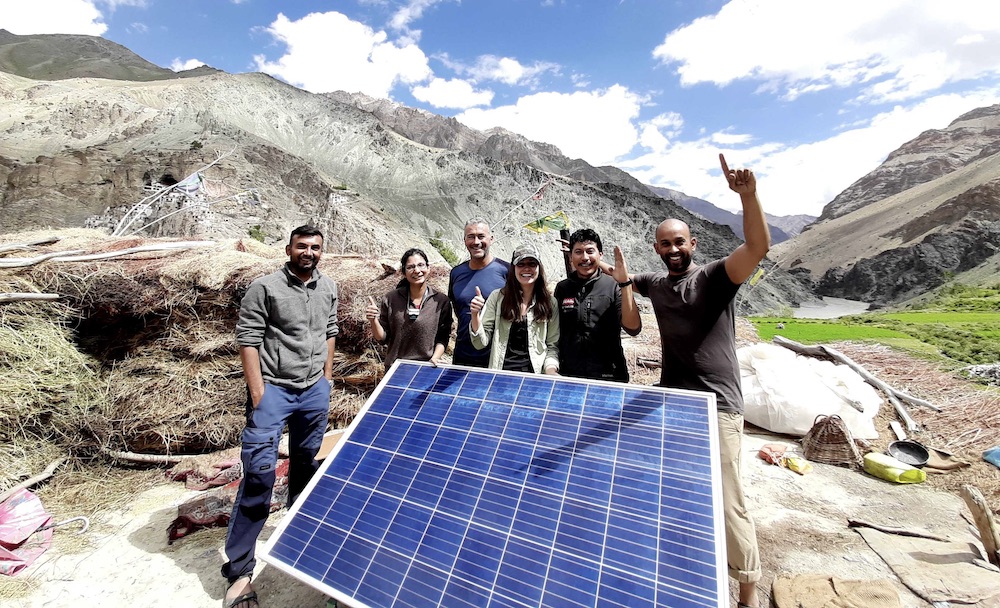
Following the route that Zorawar Singh used to occupy Ladakh, the government has drafted a proposal for the Paddar-Zanskar road, creating a vital link between Jammu and Ladakh. This 45 to 80 km road will boost tourism, local economies, and troop movement to borders with China and Pakistan. Proposed by Home Minister Amit Shah in September 2024, the road aims to provide all-weather connectivity, complementing the Zojila tunnel and existing routes like the Srinagar-Leh Highway, often closed in winter, and the fair-weather Manali-Leh road. An 8 km tunnel from Lossani to Dangail is suggested to link directly to Zanskar. The Paddar-Zanskar road will bypass vulnerable areas, enhancing regional security while rejuvenating cultural and historical ties. A 31 km road from Paddar to Lossani Machail has already been sanctioned. Once completed, the road will transform accessibility, ensuring the smooth movement of troops and contributing to the strategic and socio-economic upliftment of the region.
LADAKH
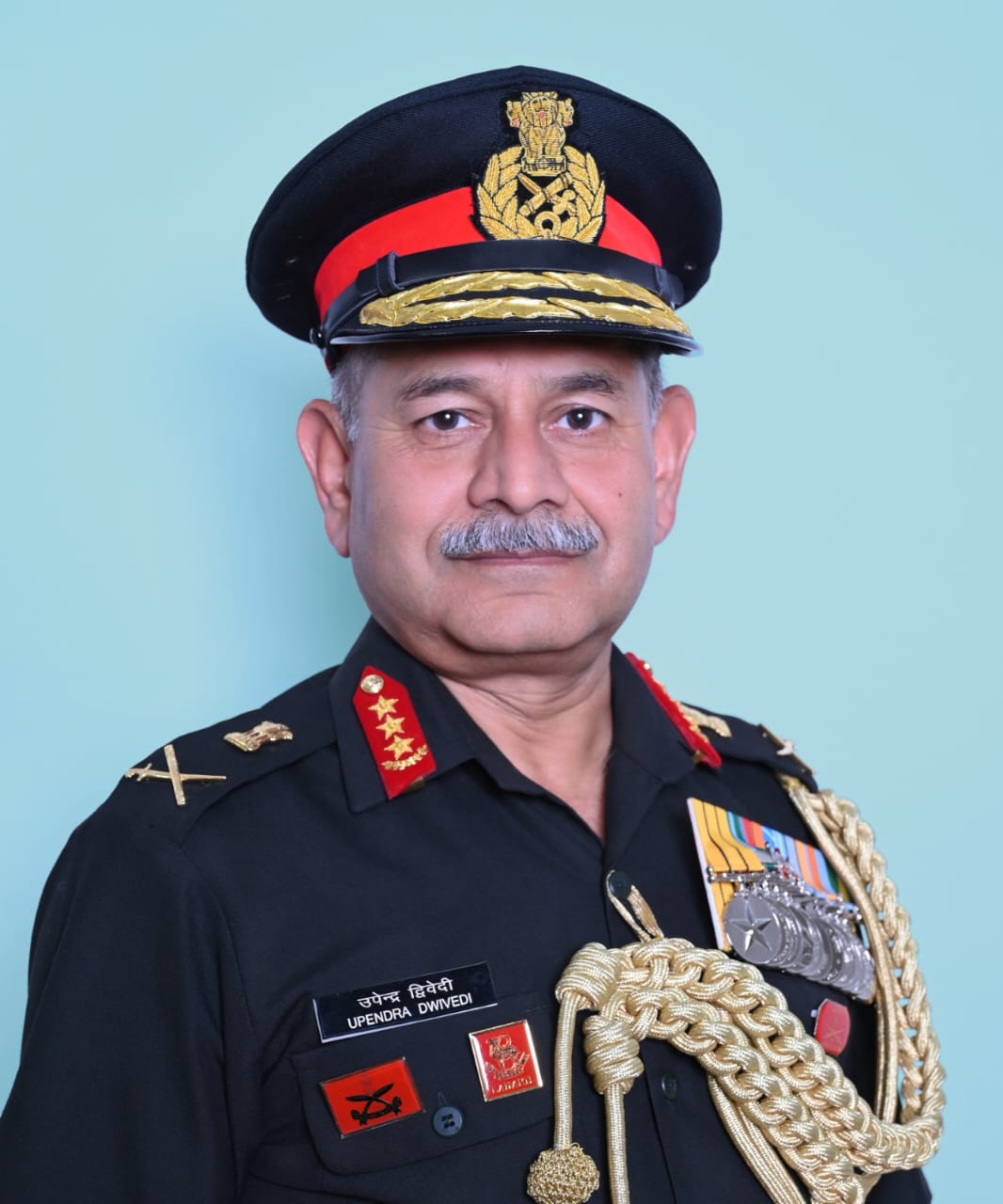
India and China are still in a “degree of standoff,” with both sides having made adjustments to the terrain, carried out constructions, and increased deployments since April 2020, according to Army Chief General Upendra Dwivedi. He emphasised that the trust between the two nations requires a new definition, and India is pursuing diplomatic solutions through talks such as the Working Mechanism for Cooperation and Coordination (WMCC) and special representative meetings. While some friction points in Eastern Ladakh have been resolved, General Dwivedi described the situation as “stable but sensitive,” with efforts ongoing to prevent further tensions.
KATRA
Chief Minister Omar Abdullah asserted the importance of passenger security, stating there should be no objections to train swaps at Katra Railway Station if they ensure safety. He stressed that the security of travellers must take precedence, and any necessary stops should be implemented until the situation improves. While he supported security checks at Katra, Omar opposed the proposal of changing trains, arguing that it would undermine the purpose of the new line and waste the substantial investment. He expressed his hope that railway authorities would minimise passenger inconvenience. The issue has sparked controversy, with opposition parties criticising the plan and calling for direct connectivity between Kashmir and Jammu without transhipment. Omar’s comments came in response to the uproar, with some political figures questioning his stance on security measures and the psychological impact of the change of trains at Katra.
HAPATNAD
January 2025, which should have been a time of joy for the Khan family in Hapatnar village, turned into a period of mourning after the tragic discovery of the murder of 30-year-old Shabnum Akhter, six months pregnant. Police investigations revealed that Shabnum’s husband, Imran Khan, allegedly strangled her to death on October 4, 2024, suspecting her of infidelity. Despite his initial claims that she went missing, technical evidence contradicted his story, revealing that her phone had been active in both Pahalgam and Hapatnar on the day of her disappearance. The breakthrough came in early January when Khan confessed, along with his mother Noor Hassan and his first wife, who had been present during the crime but remained silent out of fear. Investigations revealed that after the murder, the body was burned and bones ground to destroy evidence. The case is being prepared for prosecution with substantial evidence, including bone fragments, hair, and the victim’s phone. Police are readying a strong case against the accused, who face the possibility of a maximum sentence for their involvement in the horrific crime.
JAMMU

The Jammu Kashmir Police’s Crime Branch has booked 10 individuals, including two retired officials and a policeman, for using fake documents to deceive authorities. Four FIRs have been registered, with investigations underway. The accused include a former deputy inspector, a retired forester, and a police head constable, who allegedly used forged documents for government jobs and promotions. Specific cases include the use of fake school certificates for a fisheries job, a fake graduation certificate for a promotion, and a fake qualification certificate for a police job. Another FIR was filed for forging compromise agreements in court.