SRINAGAR: Spanning mountain passes, sacred shrines, glacial valleys and ancient villages along the Line of Control, the twin Union Territories carved out of the erstwhile state of Jammu & Kashmir are together emerging as one of the most ambitiously funded tourism regions in the country. Fresh data tabled in the Lok Sabha on March 9, 2026, paints a comprehensive picture of Central investment flowing into both J&K and Ladakh across five major tourism schemes.
The figures were presented by Tourism Minister Shri Gajendra Singh Shekhawat in response to Lok Sabha Unstarred Question No. 2629, raised by Abdul Rashid Sheikh, who asked specifically about Central assistance for developing Doodhpathri, Bungus, Gurez and Karnah as new international tourist destinations. The reply laid out the full scope of funding from the Swadesh Darshan, Swadesh Darshan 2.0, Challenge-Based Destination Development (CBDD), SASCI and PRASHAD schemes.
Jammu & Kashmir: Over Rs 519 Crore Under Swadesh Darshan
Under the original Swadesh Darshan scheme, Jammu & Kashmir stands out as one of the most generously funded regions in India. Six separate projects were sanctioned under the Himalayan Circuit in 2016-17, with a combined outlay of over Rs 519 crore.
| Project (Himalayan Circuit, 2016-17) | Amount Sanctioned |
| Jammu-Srinagar-Pahalgam-Bhagwati Nagar-Anantnag-Salamabad-Uri-Kargil-Leh | Rs 77.33 Cr |
| Tourist Facilities at Jammu-Rajouri-Shopian-Pulwama | Rs 81.60 Cr |
| Reconstruction of Assets Destroyed in 2014 Floods (PM Development Package) | Rs 90.43 Cr |
| Tourist Facilities at Mantalai and Sudhmahadev | Rs 91.99 Cr |
| Facilities at Anantnag-Pulwama-Kishtwar-Pahalgam-Zanskar-Daksum-Ranjit Sagar Dam | Rs 86.39 Cr |
| Tourist Facilities at Gulmarg, Baramulla, Kupwara, Kargil, and Leh | Rs 91.84 Cr |
| Total | Rs 519.58 Cr |
One of these projects specifically focused on rebuilding tourism assets destroyed in the devastating 2014 Kashmir floods — underscoring the Centre’s commitment to restoring, not just developing, the Valley’s tourism potential.
Ladakh: Targeted Investment in Leh, Kargil and Border Villages
Since being carved out as a separate Union Territory in 2019, Ladakh has been treated as a priority destination in its own right, receiving targeted funding under newer experience-focused schemes.
Under Swadesh Darshan 2.0, Ladakh secured two projects in 2023-24:
| Project (SD 2.0, 2023-24) | Amount Sanctioned |
| Julley Leh Biodiversity Park — Leh | Rs 23.17 Cr |
| Exploring LOC & Hundarman Village Experience — Kargil | Rs 11.91 Cr |
| Total | Rs 35.08 Cr |
The Hundarman Village project in Kargil is particularly noteworthy: a village reclaimed from Pakistan-administered territory after the 1971 war is being developed as a border tourism experience, a powerful blend of history, patriotism and Himalayan landscape.
Under the CBDD scheme in 2024-25, Ladakh’s Mushkoo Village received Rs 9.78 crore for development as a sustainable eco-tourism hub focused on snow leopard and wildlife sightings alongside community-led tourism.
| Project (CBDD, 2024-25) | Amount Sanctioned |
| Mushkoo Village — Sustainable Eco-Tourism Hub, Ladakh | Rs 9.78 Cr |
Ladakh’s total Central tourism allocation across SD 2.0 and CBDD stands at approximately Rs 44.86 crore — compact but highly strategic, focusing on unique experiences that no other region in India can replicate.
Hazratbal and the PRASHAD Pilgrimage Investment
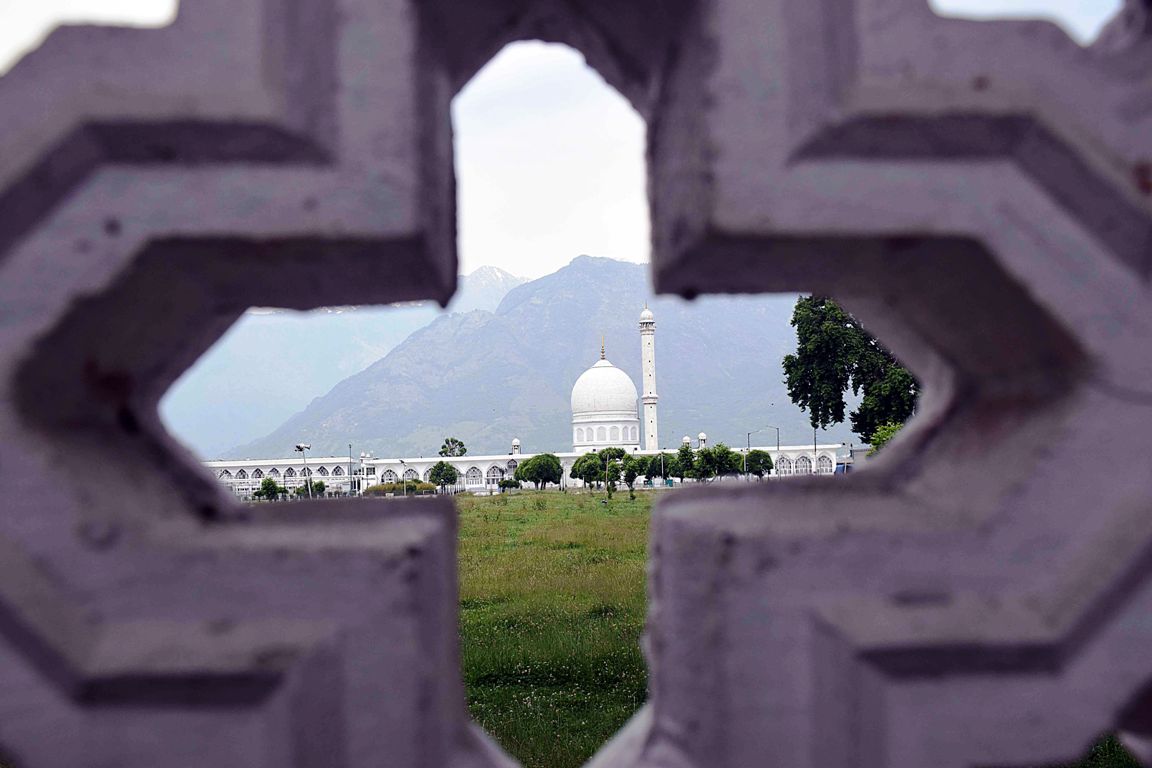
On the pilgrimage front, J&K’s most iconic shrine has received significant Central support. The Hazratbal Shrine in Srinagar — one of South Asia’s most revered Islamic pilgrimage sites — received Rs 40.46 crore in 2016-17 under the PRASHAD scheme to upgrade infrastructure and visitor facilities.
| Project (PRASHAD) | Amount Sanctioned |
| Development at Hazratbal Shrine, Srinagar (2016-17) | Rs 40.46 Cr |
Hazratbal is the only J&K or Ladakh project in the PRASHAD scheme, and its allocation signals the Centre’s recognition that spiritual tourism is as central to the region’s identity as its mountain landscapes.
The Doodhpathri, Bungus, Gurez and Karnah
The Parliamentary question specifically asked about Central assistance for Doodhpathri, Bungus, Gurez and Karnah. The minister’s reply does not list any of these four as standalone sanctioned projects under any of the five schemes, indicating that dedicated Central allocations for these destinations are yet to be made.
However, Ladakh’s experience offers a useful template. The Hundarman Village LOC experience and Mushkoo wildlife project were secured by submitting well-crafted proposals under SD 2.0 and CBDD, respectively. Gurez, with its Dard-Shin culture and dramatic Kishanganga river valley, and Bungus with its pristine meadows, possess exactly the kind of unique, differentiated appeal that wins Central allocations. Tourism advocates argue that targeted proposals from the J&K UT Administration could unlock significant funding in the next scheme cycle.
The Full Picture
Taken together, the erstwhile state of Jammu & Kashmir — across its two successor Union Territories — has received Central tourism funding as summarised below:
| Scheme | Region | Total Sanctioned |
| Swadesh Darshan | Jammu & Kashmir | Rs 519.58 Cr |
| Swadesh Darshan 2.0 | Ladakh (Leh & Kargil) | Rs 35.08 Cr |
| CBDD | Ladakh (Mushkoo Village) | Rs 9.78 Cr |
| PRASHAD | J&K (Hazratbal, Srinagar) | Rs 40.46 Cr |
| Combined Total | J&K + Ladakh | Rs 604.90 Cr |
This combined figure of over Rs 604 crore — spread across circuits linking Leh, Kargil, Srinagar, Gulmarg, Pahalgam, Jammu, Kishtwar, Zanskar and beyond — makes the erstwhile J&K one of the most extensively supported tourism regions in the Himalayan belt.
The road ahead requires sustained momentum: completing sanctioned projects, expanding coverage to still-unexplored corners of the Valley and Ladakh, and ensuring that local communities share in the dividends of this tourism renaissance.