by Afreen Ashraf and Shoaib Nazir
SRINAGAR: In the days leading up to Eid-ul-Adha, Srinagar’s sprawling Eidgah ground transforms into Kashmir’s largest and most prominent sacrificial animal market, turning the area into a temporary world of trade, tradition, and memories.
It is one of the most vibrant and important seasonal markets in the historic city of Srinagar. Every year, the market witnesses intense activity during Eid-ul-Adha, when thousands of buyers, traders, shepherds, and families gather to purchase animals for sacrifice.
Historically, Eidgah Srinagar has been an important religious and social space. The ground is widely known for large Eid prayers and community gatherings. In the not so distant past, it was the main space whereS rinagar would offer Eid prayers, a tradition that has been stopped.
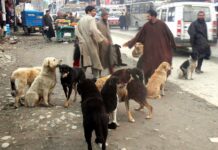
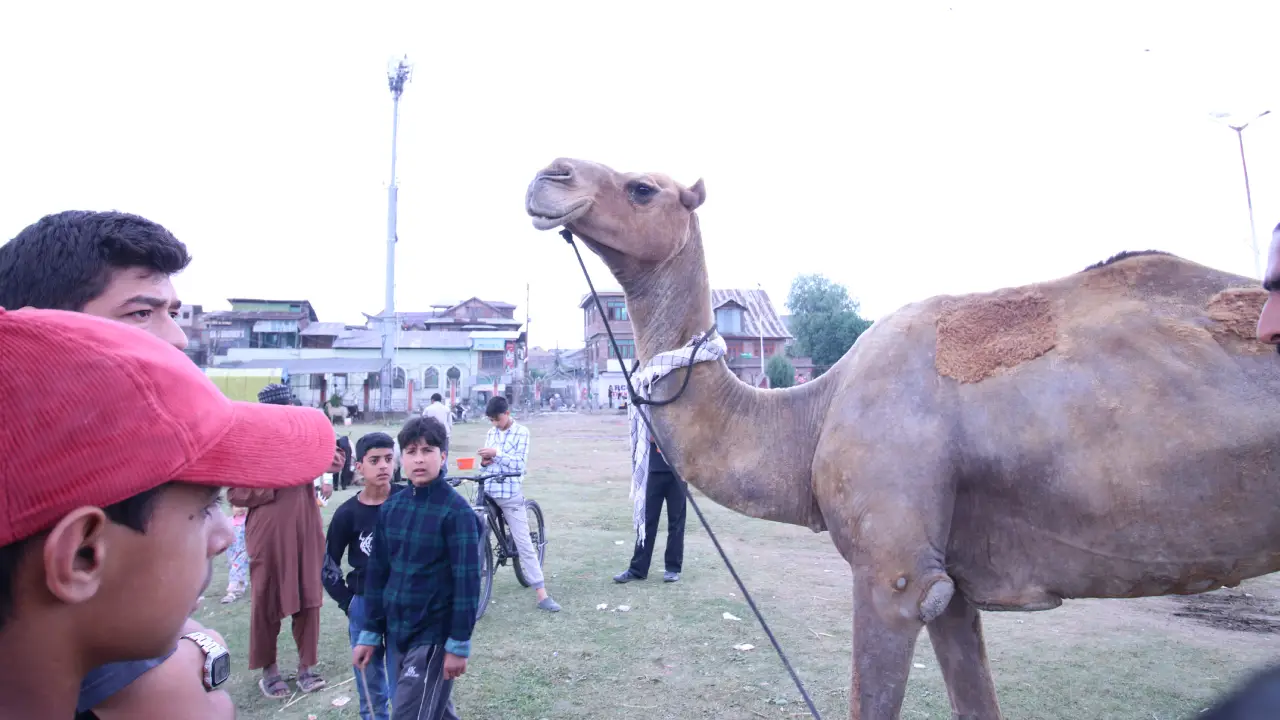
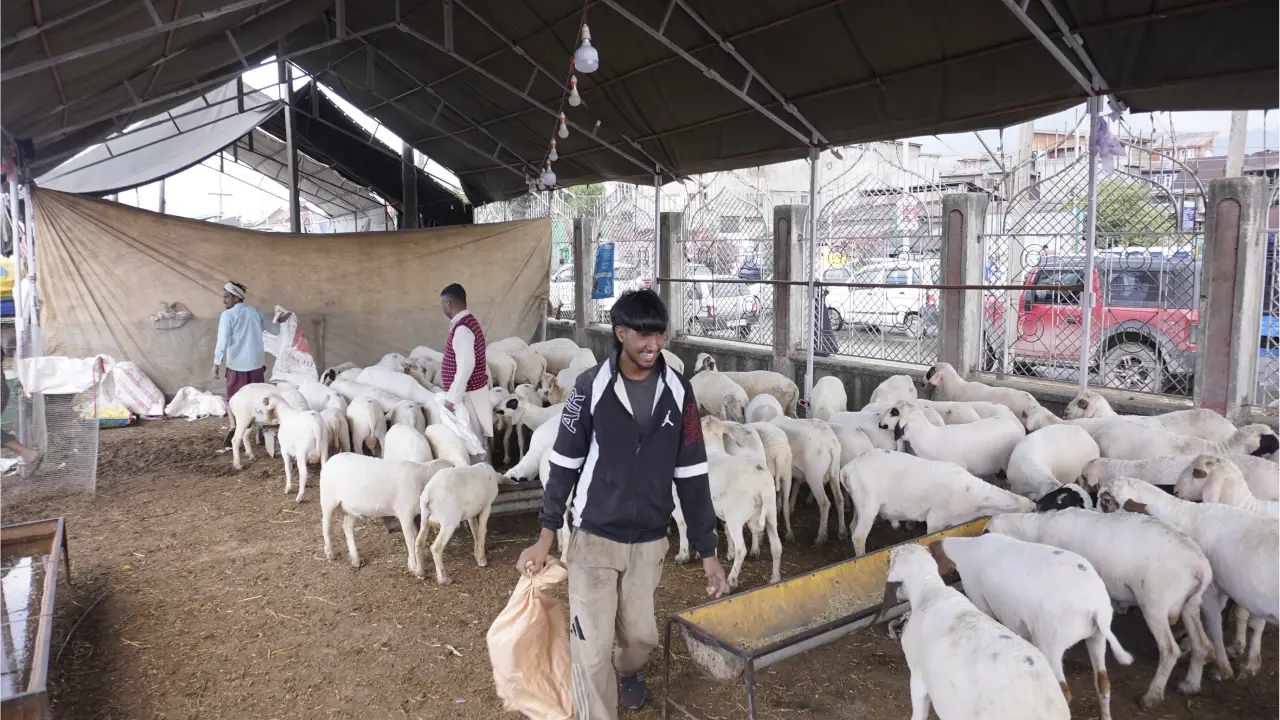
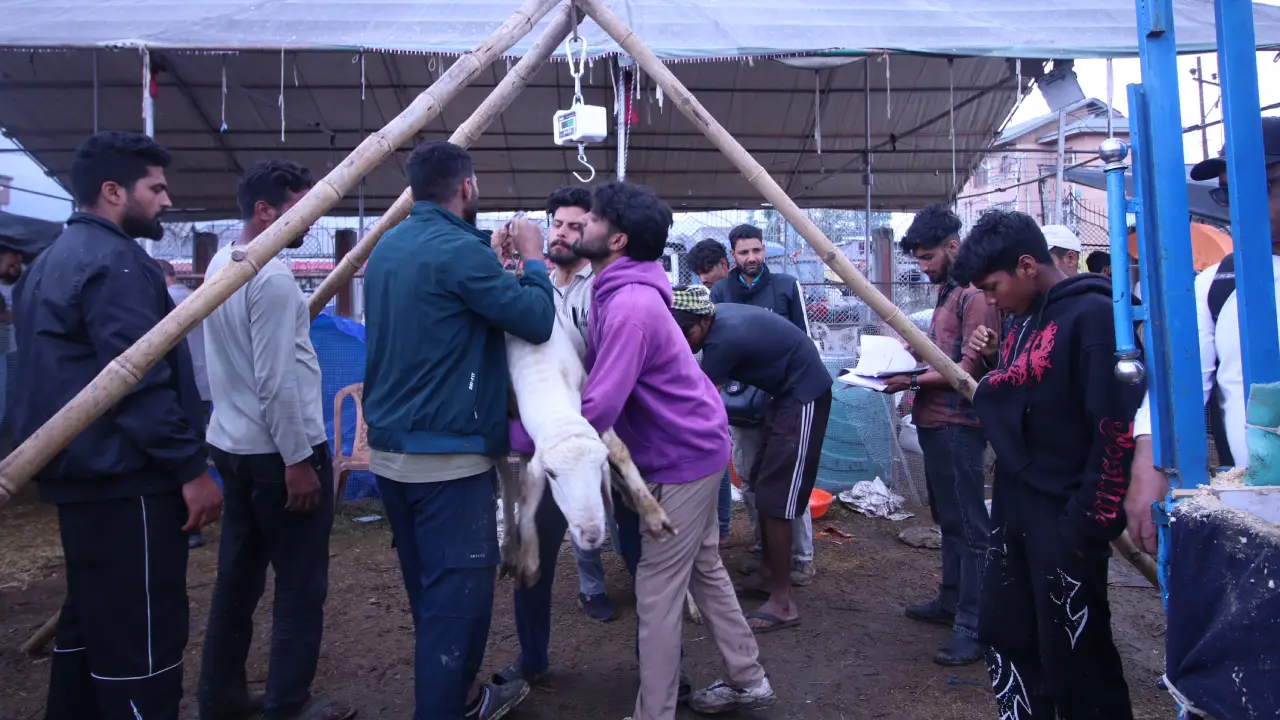
During Eid-ul-Adha, the area transforms into a massive livestock market where thousands of animals are brought for sale. In the days before the festival, traders travel from different districts and rural areas, bringing sheep, goats, bulls, cows, and occasionally camels to the market.
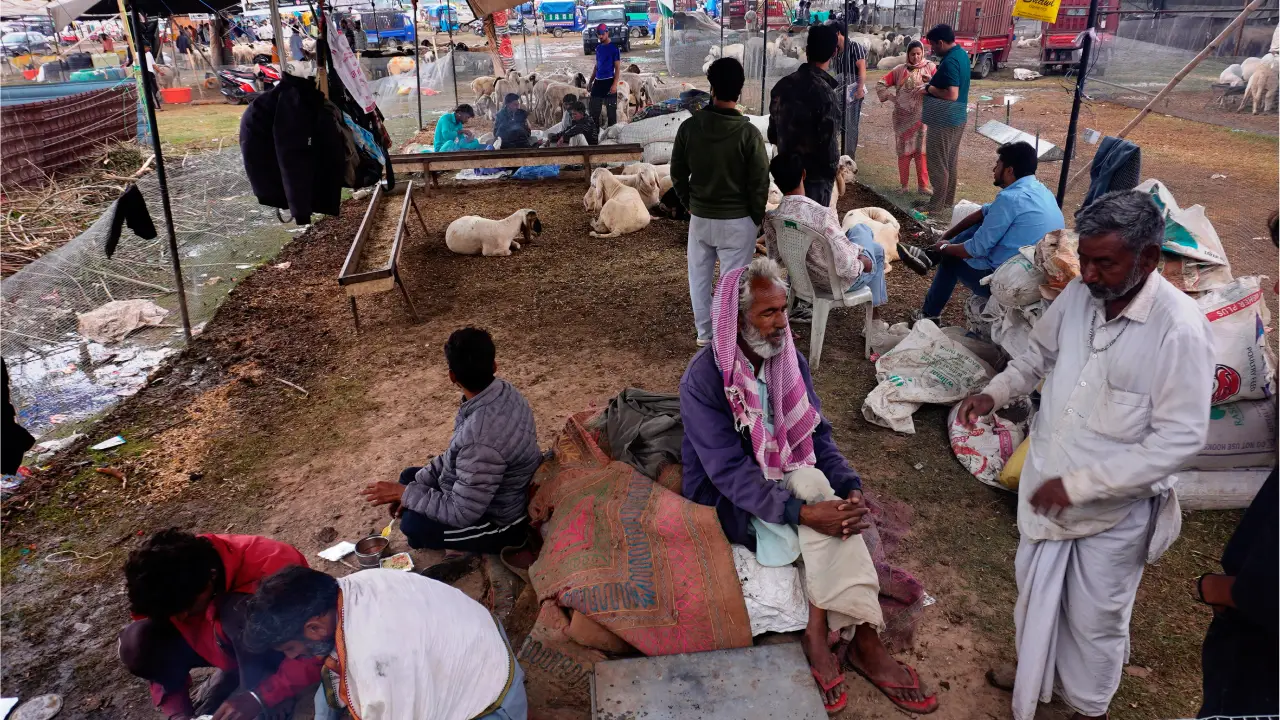
A vast section of traders also arrive from Rajasthan and other places with rare and expensive breeds of animals. For families, visiting the market is more than just a religious practice; it is also a cultural and social experience.
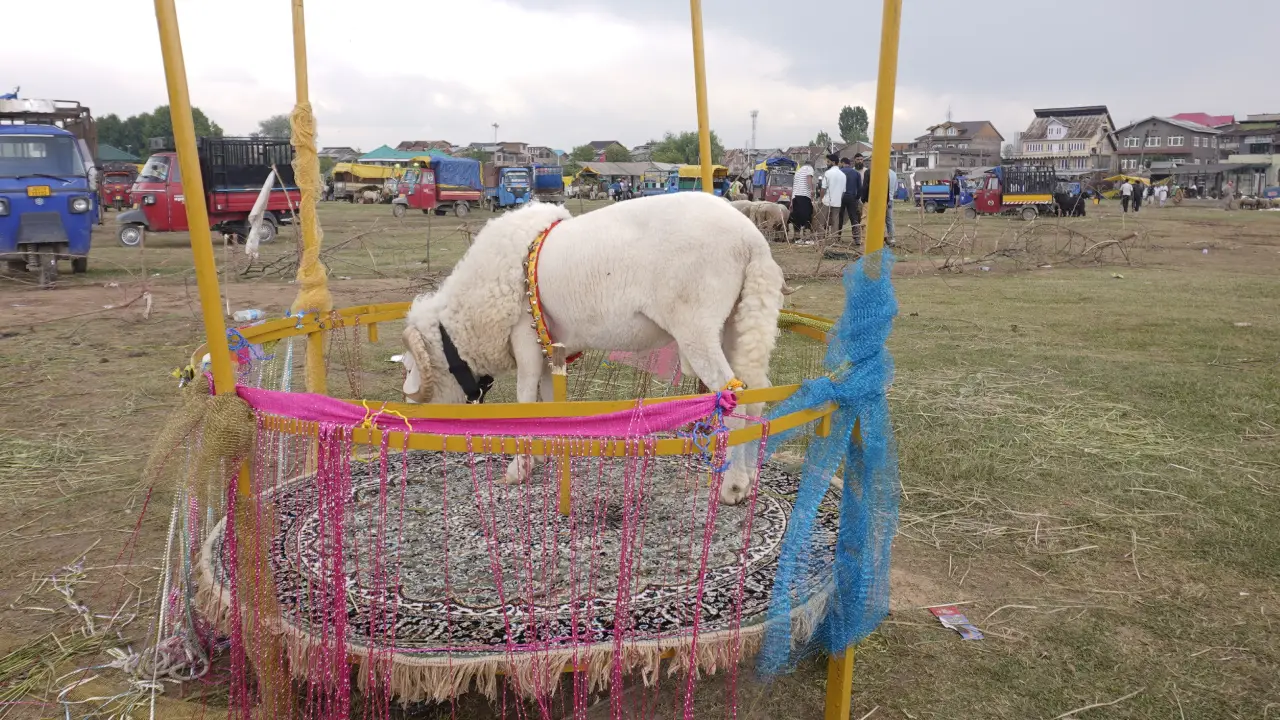
This year, one of the main attractions of the market was two rare Turkish dumbas (fat-tailed sheep), priced at nearly Rs 2.5 lakh. Both became the centre of attention because of their unique breed and impressive appearance. Several visitors gathered around them, taking pictures and videos of the animals.
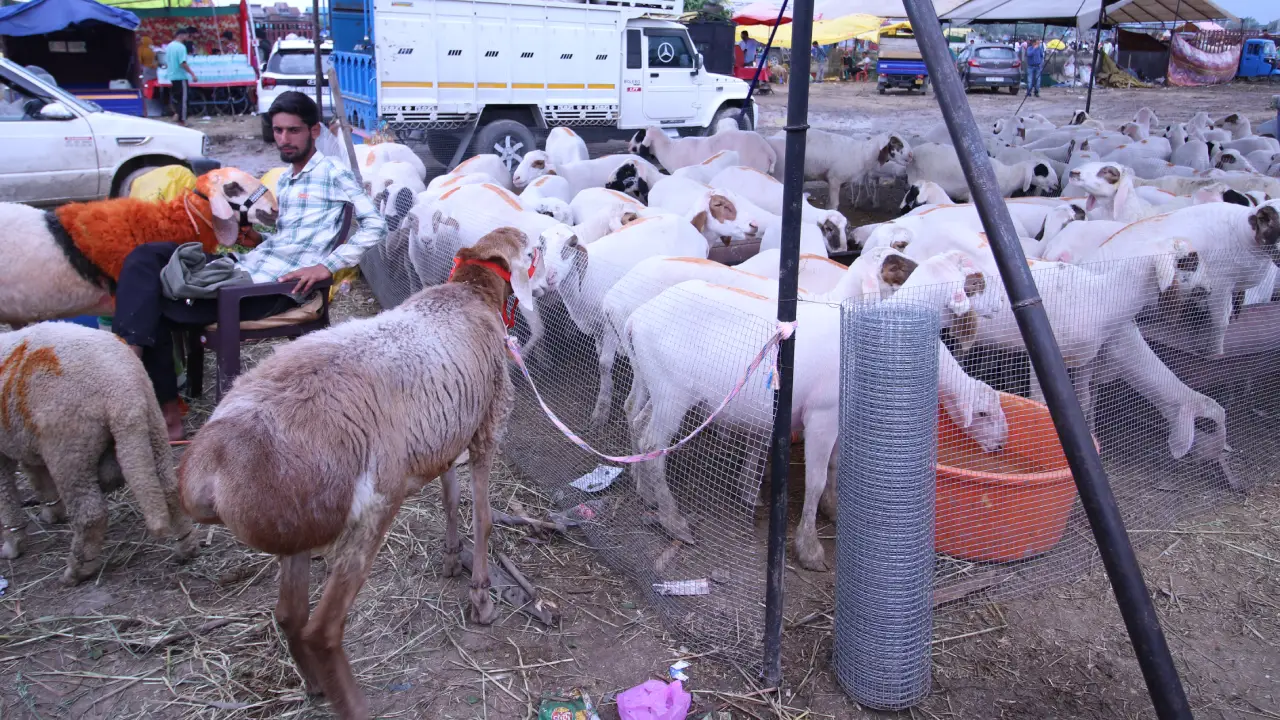
Another unusual attraction was a rare sheep named Dildar, which had four horns. The sheep also amazed visitors. Dildar was priced at around Rs 90,000 and drew large crowds throughout the day. Apart from these attractions, animals of different breeds and sizes were seen across the market.
The market reflects more than just the buying and selling of livestock. Alongside the cattle were kehwa stalls, ice cream carts, grass traders, and small food stalls serving tired visitors and traders throughout the day. Children could be seen wandering between the animals, curiously petting sheep.
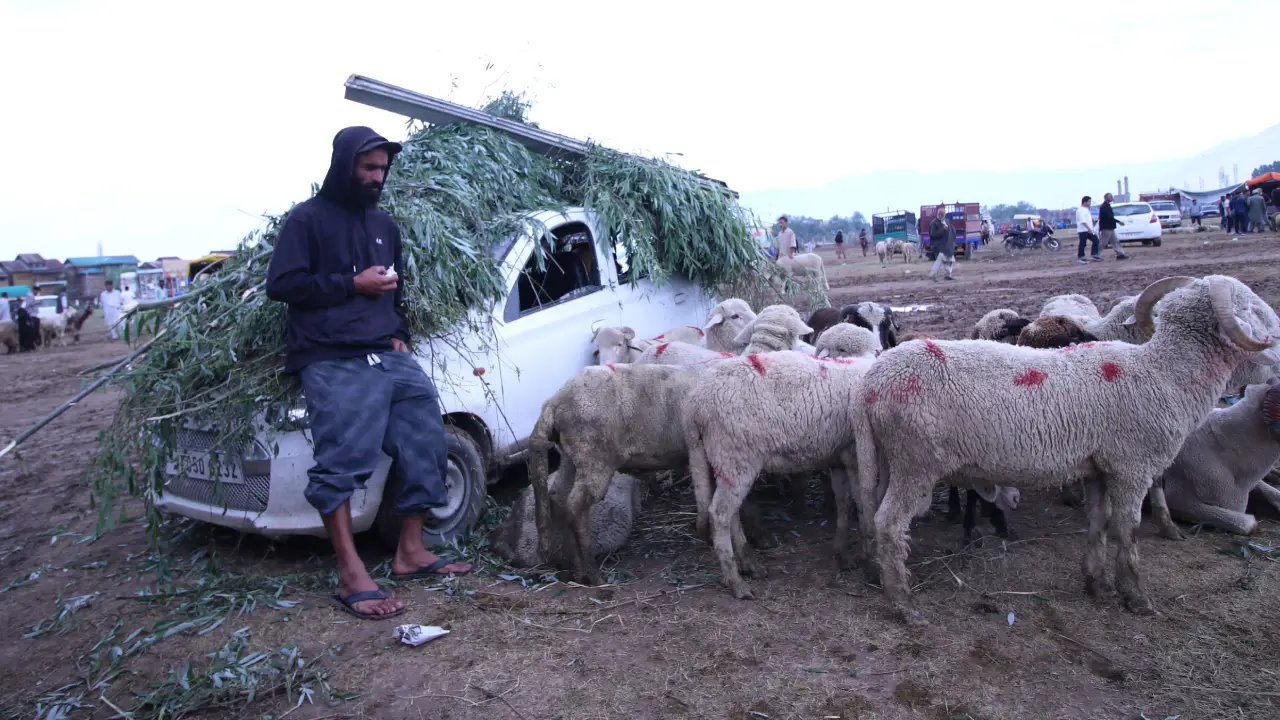
In order to keep the market healthy, scores of residents get the cattle feed so that the herders can feed their flocks.
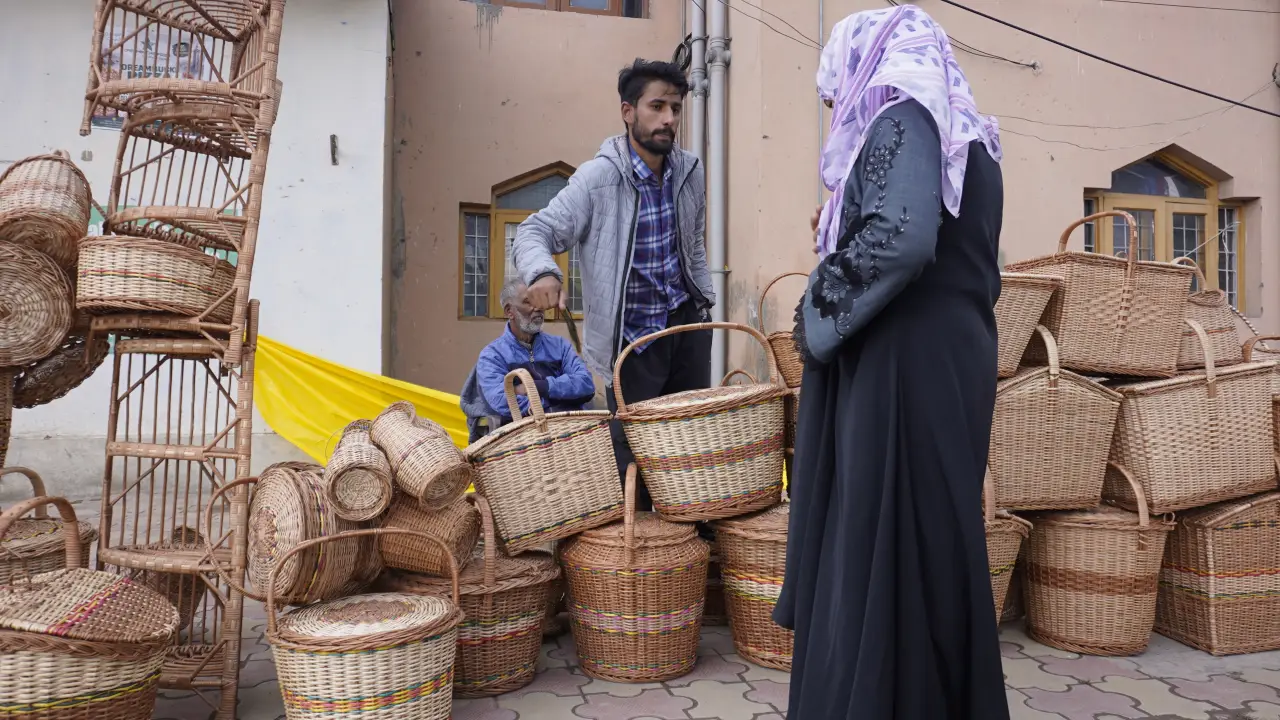
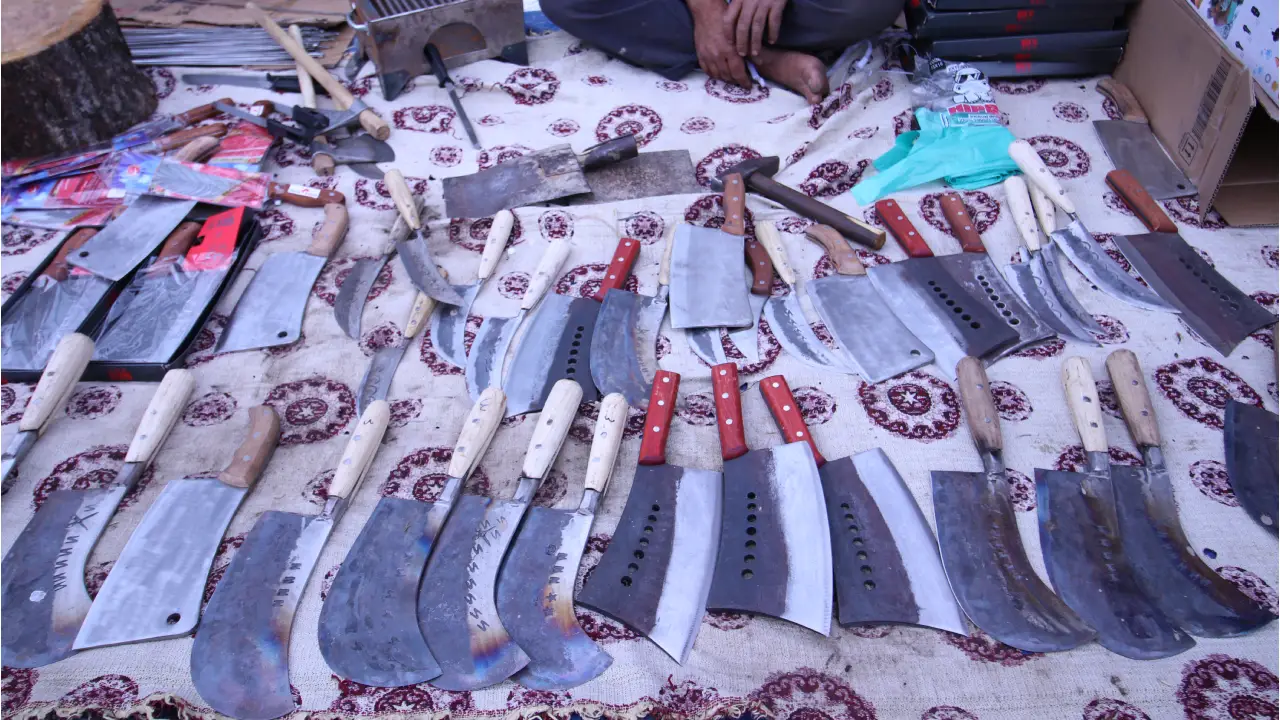
Not far away from the market is a long line of people selling items that families usually require during the sacrifices These include meat cleavers, wicker wood baskets, and butcher blocks and chopping blocks.
The sacrificial market at Eidgah Srinagar is much more than a place for buying animals. It is a reflection of Kashmiri culture, tradition, and communal spirit. The market brings together people from different regions and creates a festive atmosphere filled with faith, business, and celebration.