SRINAGAR: Former Jammu and Kashmir Sadr-e-Riyasat Dr Karan Singh has opposed the deployment of heavy earth-moving machinery for widening the Shri Amarnath Ji pilgrimage route, urging authorities to halt mechanised work near Sheshnag Lake in view of the ecological fragility of the Himalayan region.
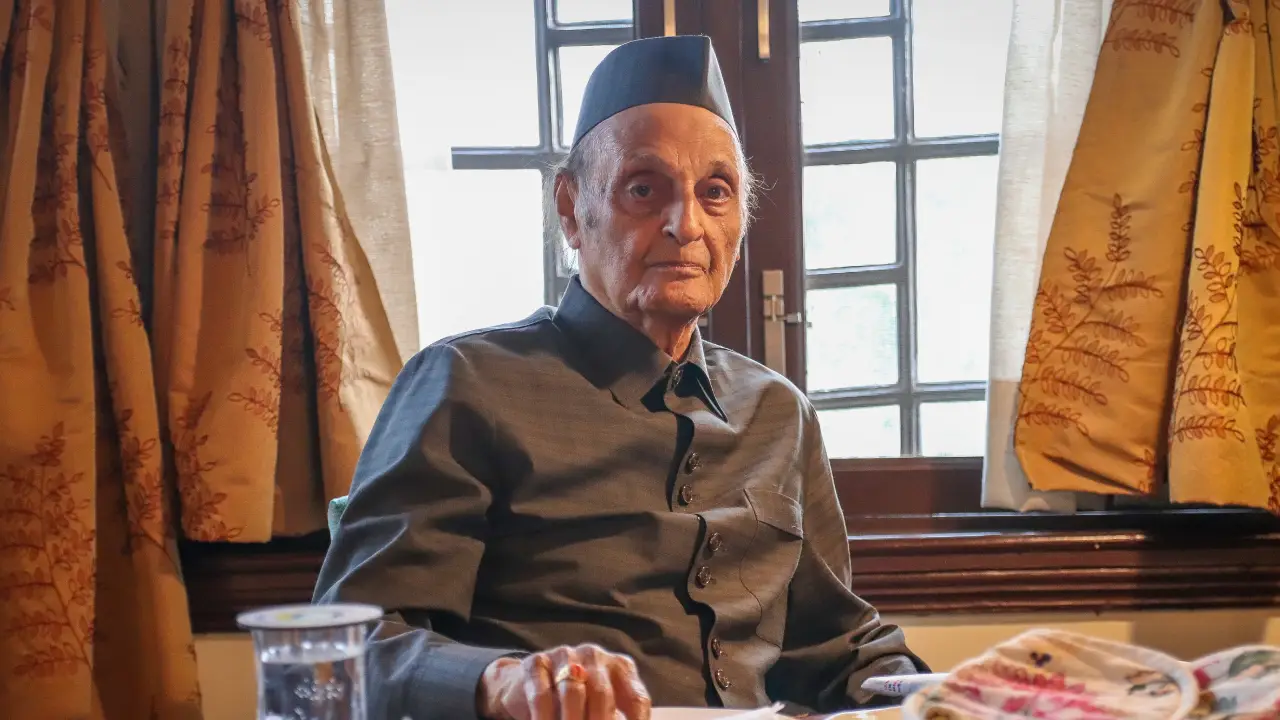
In a statement issued on November 26, Singh expressed concern over reports of heavy machinery being used to widen the route overlooking Sheshnag Lake and said he stood with those opposing the work.
He said he had consistently raised concerns about the environmental consequences of extensive road widening in the Himalayas, particularly along pilgrimage routes in Uttarakhand.
Questioning the need for wider roads, Singh said two-lane roads were sufficient for tourists and pilgrims, warning that large-scale construction involving dynamite could pose serious risks to the relatively young and fragile Himalayan mountain system.
Referring to disasters in the Himalayan region, including the Kedarnath tragedy, he cautioned against development activities that could further disturb the mountain environment.
“We do not have to make every pilgrim route into a motorable road just for the convenience of tourists,” Singh said, adding that genuine devotees would not object to walking or travelling on horseback to reach the shrine.
He maintained that the convenience of tourists should not take precedence over environmental protection and called for restraint in the use of heavy machinery along the pilgrimage route.
The controversy over work near Sheshnag has also brought the Border Roads Organisation’s activities along the route under scrutiny. The BRO has maintained that its post-Yatra work is confined to existing tracks and is intended to stabilise vulnerable stretches, reduce congestion and improve the safety of pilgrims.
The organisation has also said that arrangements are being made for the proper disposal of excavated material, protection of natural drainage systems and minimisation of disturbance to the surrounding terrain.
Sheshnag Lake, located at an altitude of approximately 3,590 metres, is among 14 high-risk glacial lakes identified in Jammu and Kashmir, adding to concerns over infrastructure activities in its vicinity.
Singh’s statement adds to the growing debate over development along the Amarnath pilgrimage route, with concerns being raised by political leaders and environmental groups about the potential consequences of excavation and road widening in the ecologically sensitive Himalayan landscape.