SRINAGAR: More than 70 major Friday congregations across Kashmir, Jammu and Ladakh delivered sermons on Imaan (faith) on October 16 following a call by the Mutahida Majlis-e-Ulema Jammu and Kashmir (MMU), in what the organisation described as a first-of-its-kind collective religious initiative.
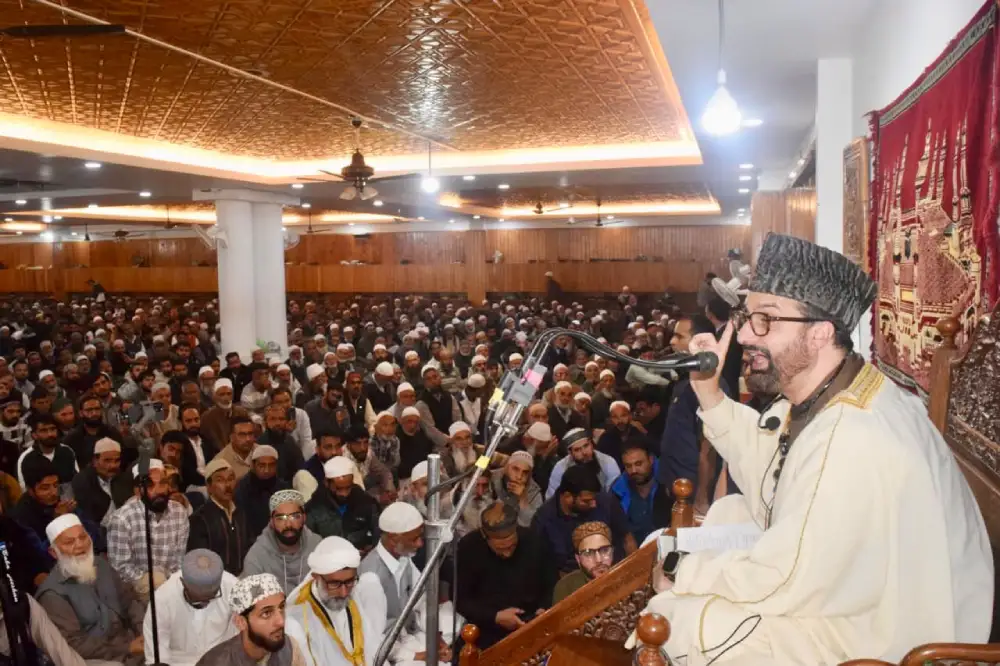
The coordinated programme brought together Ulema, imams and khateebs representing different Islamic schools of thought, including Hanafi, Shia/Jaffery, Ahl-e-Hadith, Barelvi and Deobandi traditions, while allowing individual religious institutions to retain their independence and distinct practices.
The initiative covered all ten districts of the Kashmir Valley, the Jammu region, the Chenab Valley and parts of Ladakh, including Kargil, Drass and Leh. Participating institutions included major Jama Masjids, historic khanqahs, imambargahs, madrasas and other religious centres.
The sermons highlighted Imaan as the foundation of individual character, family life and society’s moral fabric. Religious leaders urged believers to protect their faith, remain steadfast in their principles and reflect their religious values through honesty, integrity and compassion in everyday life.
They also stressed that religious and moral principles should not be compromised for material gain, positions, personal interests or external pressure.
The initiative addressed concerns over growing materialism, declining religious awareness, moral confusion and the misuse of social media, particularly among younger generations. Parents, teachers, Ulema and religious institutions were urged to help safeguard young people’s faith through authentic religious knowledge, compassionate guidance and personal example.
According to the MMU, the programme followed decisions taken at its Ulema Conference on September 15, where representatives resolved to address pressing social and religious concerns through designated Friday sermons, district-level engagements and sustained community awareness programmes.
In a statement, the organisation said the participation of religious institutions despite differences in maslak, jurisprudence and religious traditions reflected a shared commitment to addressing the spiritual, moral and social challenges facing society.
The MMU expressed gratitude to the participating religious leaders and said the programme would continue on designated Fridays, with subsequent sermons addressing issues identified at the September conference.
These include unity within the Ummah, drug abuse, suicide, mental health concerns, challenges facing young people, responsible social media use, family values and environmental protection.
The initiative aims to translate the collective resolve of religious leaders into sustained public awareness, community engagement and practical action at the grassroots level, with mosques, imambargahs, madrasas and other religious institutions expected to play a central role.
In Srinagar, participating institutions included Markazi Jama Masjid Srinagar, Aasar Sharief Dargah Hazratbal, Dastgeer Sahib Khanyar, Aali Masjid Eidgah, Darul Uloom Bilaliya, Darul Uloom Qasmiya, Markazi Imambargah Zadibal, Imambargah Rainawari, Jamia Sajjadiya Chattabal and Imambargah Ayatullah Syed Yousuf Bemina, among others.
In Budgam, the participating institutions included the historic Khanqah of Hazrat Sheikh Noor-ud-Din Noorani (RA) at Charar-i-Sharief, Jama Masjid Beerwah and Central Imambargah Budgam. Ganderbal was represented by Jama Masjid Ganderbal, Jama Masjid Kangan, Jama Masjid Lar and Darul Uloom Naqshbandiya Rangil.
In north Kashmir, congregations in Baramulla, Bandipora and Kupwara participated through institutions including Jama Masjid Baramulla, Jama Masjid Sopore, Jama Masjid Bandipora, Darul Uloom Rahimiyya, Jama Masjid Kupwara and Jama Masjid Handwara.
South Kashmir participation included Jama Masjid Anantnag, Jama Masjid Bijbehara, Jama Masjid Qazigund, Jama Masjid Aishmuqam, Jama Masjid Kulgam, Darul Uloom Kulgam, Jama Masjid Pulwama, Khanqah Faiz Panah Tral, Markazi Jama Masjid Shopian and Jama Masjid Pinjoora.
In the Jammu region, participating institutions included Central Jama Masjid Jammu, Makka Masjid Bhatindi, Jama Masjid Gujjar Nagar, Jama Masjid Rajouri, Jama Masjid Poonch, Jamia Zia-ul-Uloom and Jama Masjid Udhampur.
The initiative also extended to the Chenab Valley, where congregations included Jama Masjid Doda, Jama Masjid Bhaderwah, Jama Masjid Kishtwar, Jama Masjid Marwah, Jama Masjid Dachhan, Jama Masjid Batote, Jama Masjid Thathri and Jama Masjid Ramban.
In Ladakh, participating institutions included Jama Masjid Kargil, Imambargah Kargil, Jama Masjid Drass and Markazi Jama Masjid Leh, alongside other local mosques and imambargahs.