SRINAGAR: The Jammu and Kashmir Waqf Board’s plan to introduce common themes for Friday sermons across mosques and affiliated religious institutions has drawn criticism from Chief Minister Omar Abdullah, PDP president Mehbooba Mufti, the Mutahida Majlis-e-Ulema (MMU) and other political representatives.
Under the proposed system, sermon topics would be selected in advance and approved by a committee of preachers, prompting objections over the role of administrative authorities in religious matters.
Abdullah has urged the Waqf Board chairperson to abandon the initiative, accusing the BJP of attempting to interfere in the religious affairs of Muslims.
This is an unacceptable attempt by the BJP to interfere in the religious affairs of Muslims and will not be accepted under any circumstances. The BJP appointed Chairperson must immediately halt this misplaced attempt to please her masters.
— Omar Abdullah (@OmarAbdullah) October 13, 2026
In a post on X, the chief minister described the proposal as unacceptable and demanded its immediate withdrawal.
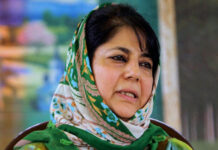
Mehbooba also challenged the proposed arrangement, arguing that decisions about Friday sermons should be left to religious scholars familiar with the needs of their communities.
Speaking to reporters in Srinagar, the PDP president described Jammu and Kashmir as a “laboratory for the BJP” and alleged that measures introduced in the Union Territory could later be extended to other parts of the country. She called for the Waqf Board to be placed under the administrative control of the Jammu and Kashmir government.
She further proposed that issues relating to religious sermons be addressed by recognised Islamic scholars, including the Mutahida Majlis-e-Ulema, headed by Mirwaiz Umar Farooq.
The MMU, a coalition of religious and socio-religious organisations, has also opposed the proposal. In a statement on X, it maintained that decisions on religious guidance and sermon content should rest with Ulema, imams and recognised religious bodies.
MMU Rejects Any Attempt by Waqf Board to Prescribe Friday Sermons
Srinagar, October 13, 2026: The Mutahida Majlis-e-Ulema Jammu & Kashmir (MMU), the representative amalgam of leading religious and socio-religious organisations of Jammu and Kashmir, headed by Mirwaiz Umar Farooq, has taken serious note of reports for uniform sermon by Waqf board to be delivered in mosques on fridays.
MMU said that even the suggestion that a statutory body could determine or regulate what is to be preached from the Mimbar is ridiculous , and will never be accepted by the Muslims of Jammu and Kashmir.
It said that the Mimbar is an Amanah and religious guidance is the domain of Ulema, Imams and recognised religious institutions, rooted in Islamic scholarship and the traditions of the different schools of thought. The state or government cannot assume for itself the authority to determine religious discourse and scripted speech to be delivered, or interfere in matters of faith and religious practice.
The MMU said there is an important distinction between Ulema and religious organisations voluntarily coming together to address common religious or social concerns of the society and decide on the approach to address them and a state-linked administrative body seeking to prescribe themes or directions for sermons . It amounts to forcible state intrusion into the religious sphere, which is against law and principles of freedom of religious practice.
MMU asked the Waqf Board to remain within its administrative responsibility of management, maintenance and protection of the Waqf properties entrusted to it, rather than come up with such devious agenda and unnecessary controversy.
Muttahida Majlis-e-Ulama Jammu and Kashmir includes Anjuman Auqaf Jamia Masjid, Mufti Azam’s Muslim personal law board, Darul Uloom Rahimiyah, Anjuman Shariee Shian, Jamiate Ahle Hadith, Moulana Masroor Abbas Ansari, Anjuman Himayat-ul-Islam, Jamia Sabeel-ul-Huda Bemina Srinagar, Anjuman Tabligh-ul-Islam, Jamiat Hamdania, Anjuman Ulama-e-Ahnaf, Darul Uloom Qasmiya, Darul Uloom Bilaliya, Anjuman Nusrat-ul-Islam, Anjuman Mazhar-ul-Haq, Markazi Rabita Aima Masajid Jammu and Kashmir,Jamiat-ul-Aima wal Ulama, Anjuman Aima wa Mashayekh Kashmir, Darul Uloom Naqshbandiya, Darul Uloom Rashidiya, Ahlul Bait Foundation, Madrasa Kanz-ul-Uloom, Idara Gousia Saraibala, Kahkah-i- Hyderia Aishmuqam,Pirwan-e-Wilayat, Auqaf Islamia Khiram Sirhama, Bazm-e-Tauheed Ahle Hadith Trust, Anjuman Tanzeem-ul-Makatib, Muhammadi Yateem Trust, Anjuman Anwar-ul-Islam, Karwan Khatm-e-Nabuwwat, Darul Uloom Syed-ul-Mursaleen, Anjuman Ulama wa Aima Masajid, Madrasa Zia-ul-uloom poonch, Falah-e-Darain Trust Welfare Society Islamabad, Ashraf-ul-Uloom Hyderpora, Darul Uloom Dawoodiya Batamaloo, Darul Uloom Furqaniya Nowshera, Darul Uloom Dawoodiya Khanyar, Jamiat-ul-Ulama, Siraj-ul-Uloom, Idara Wahdat-ul-Makatib, Darul Uloom Imdadiya Natipora, Darul Uloom Jamia-tur-Rashad Awantipora, Khanqah Muradiya Jamia Masjid Kreeri, Darul Uloom Saut-ul-Quran Gulshanabad, Awami Rahat Center, Imamia Federation Kashmir, Alnoor Trust Bemina., Shaheen Syndicate social Trust , Jamiat Ulema Wa Aima Masajid Jammu and Kashmir, Daraul Uloom Syed ul Mursaleen Kulgam, Darul Uloom Siraj-ul-Huda, Reasi,Jamea Markaz-ul-Ma’arif, Bhatindi Jammu,Madrasa Imdad-ul-Islam, Rehmat Abad Kishtwar,Madrasa Inaam-ul-Uloom, Doda,Jamia Mahmoodia, Mendhar,Jamiat-ul-Mominat, Mendhar,Jamia Anwar-ul-Quran, Poonch,Darul Uloom Miftah-ul-Madaris, Kulgam. Madrasa Jamia Muhammadiya Dachan Kishtwar and other contemporary religious, milli social, and educational institutions.
— Mirwaiz Manzil-Office of Mirwaiz-e-Kashmir (@mirwaizmanzil) October 13, 2026
The organisation said an administrative authority should not dictate sermon subjects or prescribe speeches, urging the Waqf Board to focus on the management, upkeep and protection of Waqf properties and institutions.
Budgam MLA Aga Muntazir Mehdi has also rejected the plan, saying the board should concentrate on administering Waqf assets rather than regulating religious discourse.
Waqf’s job is management, not dictating sermons.
Imams and Khateebs don’t need a prescribed agenda to guide their communities. I strongly oppose any attempt to impose a narrative through Friday sermons. The Waqf Board must focus on its core responsibilities and respect the role of religious scholars and the MMU.
Manage institutions, don’t control religious discourse.
@MirwaizKashmir @MosaviAga @office_mufti— Muntazir Mehdi (@Agasyedmuntazir) October 13, 2026
Mehdi said local scholars were capable of identifying community concerns and deciding which issues required attention during Friday prayers. He warned that imposing common sermon themes could provide a means of promoting a particular narrative through religious institutions.
The proposed mechanism would apply to mosques across Jammu and Kashmir, with sermon subjects finalised beforehand and vetted by a committee of preachers. The opposition has centred on whether an administrative body should have a role in determining the content of religious sermons.