SRINAGAR: The two-day Pashmina Conclave 2026, themed “From Changthang Fibre to Global Luxury Standards,” began on Tuesday at The Dragon Hotel in Leh, bringing together key stakeholders to strengthen Ladakh’s Pashmina value chain and position it in the global luxury market.
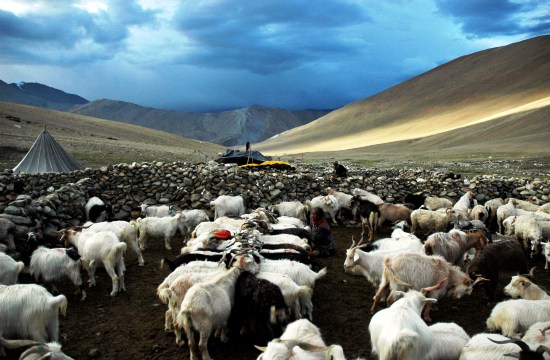
Organised by the Administration of the Union Territory of Ladakh, the conclave seeks to enhance collaboration among herders, artisans, designers, entrepreneurs, cooperatives, policymakers and industry representatives connected with the famed Changthang Pashmina goat.
Participants included designers from Delhi and Ladakh, yarn makers, local weavers, cooperative members, financial institutions, and representatives of Central and UT government departments. Central agencies such as the Central Wool Development Board and the Textile Committee were also represented.
In his inaugural address, Lieutenant Governor of Ladakh Kavinder Gupta outlined the UT’s vision to transform Ladakh’s Pashmina into a globally recognised luxury brand. Chief Secretary Ashish Kundra said Ladakh produces 40–50 tonnes of Pashmina annually but noted that much of the value addition and profits accrue outside the region. He stressed the need for a holistic strategy to enable local production of high-end cashmere products and ensure equitable benefits for stakeholders.
The first technical session focused on the origin and sustainability of Changthang fibre. Asif Hussain, Nodal Officer, Pashmina Ladakh, highlighted the importance of sustainable practices to preserve the fibre’s quality and global reputation. Thinles Nurboo, General Secretary of the All Changthang Pashmina Growers Cooperative Marketing Society Ltd., outlined the society’s objectives and milestones in improving pastoral livelihoods. Tara Sharma of Jungwa Foundation discussed the historical evolution of Pashmina in Changthang and flagged climate change as a growing concern.
The second session addressed processing, purity, grading mechanisms and standardisation gaps in the value chain. District Registrar of Cooperatives Huma Khan underlined the need for robust quality control systems. Amina Bano of Looms of Ladakh emphasised value addition through traditional weaving while maintaining authenticity. Konchok Stanzin of Pangong Craft Institute linked fibre quality directly to animal health and sustainable livestock management.
Artisan livelihoods and design integration formed the focus of the third session. Tundup Wangail, District Development Council member and NABARD representative, detailed NABARD’s institutional and financial support to the sector. Entrepreneur Rigzin Wangmo Lachic spoke about adapting heritage craft to contemporary markets, while Tashi Dorjey of Oden Collectives highlighted structured design processes and innovation as key to competitiveness.
In the concluding session, Stanzin Thakchos presented strategies on branding, market positioning and value capture, analysing trends and challenges shaping the Pashmina industry. Local brand representatives Kunzes Wangmo of LehValle and Deskit Angmo of Coral Hue shared perspectives on expanding market reach and strengthening brand identity.
Senior UT officials including Secretary, Cooperatives Bhupesh Chaudhary; Secretary, Youth Services and Sports Moses Kunzang; and Secretary, Rural Development Department Shashanka Ala also addressed the gathering, emphasising cooperative models, inter-departmental coordination and structured interventions under the Pashmina Matrix framework.
Prominent fashion industry leaders such as Samir Mehra (Founder, EZMA), Suket Dhir (SUKETDHIR), Rajesh Pratap Singh (Rajesh Pratap Singh Label), Kulbhushan Ahuja (Founder, Ahujasons) and Karan Ahuja (Director, Ahujasons) were among those attending the conclave.
The two-day event is expected to lay the groundwork for positioning Changthang Pashmina as a sustainable and globally competitive luxury fibre while ensuring inclusive growth for Ladakh’s pastoral and artisan communities.