DODA
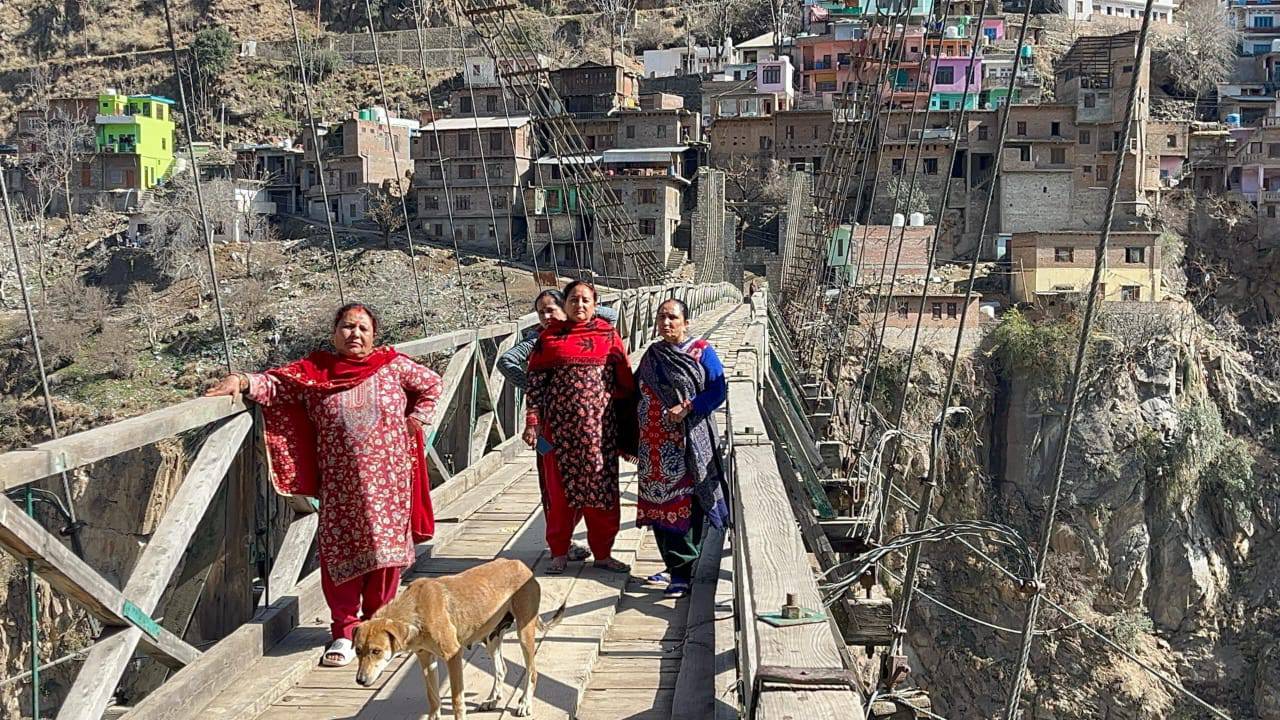
Once hailed as a symbol of progress, the 1966 suspension footbridge in Premnagar, Doda, now stands as a crumbling relic of administrative neglect. Built across the Chenab River to connect remote villages, the bridge once transformed daily life for students, traders, and commuters. Today, its deteriorating condition—with rotting planks, rusted cables, and weakened pillars—has turned it into a safety hazard. Despite years of appeals from residents for urgent repairs, authorities have instead imposed restrictions: no more than two people may cross at a time, and livestock is banned. Locals argue these measures worsen their hardship without solving the core issue. Students, traders, and parents face daily anxiety crossing the structure, with some forced to abandon their routines. Allegations of misused or unspent maintenance funds have sparked demands for accountability, while Public Works officials insist the restrictions are necessary until major repairs or a new bridge is sanctioned. Calls for a replacement structure grow louder, as residents fear disaster is imminent. Experts warn the bridge’s decline reflects broader disregard for rural infrastructure. For the people of Premnagar, what was once a lifeline has become a daily gamble, suspended between hope and danger, with no clear solution in sight.
During the eight days of Navratras, 3.75 lakh pilgrims visited the Mata Vaishno Devi shrine, taking this year’s total footfall to 21.25 lakh.
JAMMU

Jammu and Kashmir Lt Governor Manoj Sinha has dismissed two more government employees under Article 311(2)(C) for allegedly posing a threat to state security, bringing the total number of such terminations to 80. The dismissed individuals are Basharat Ahmad Mir, an assistant wireless operator with the Jammu and Kashmir Police, and Ishtiyak Ahmad Malik, a senior assistant in the Roads and Buildings Department. The government claims Mir, a Srinagar resident, was in continuous contact with Pakistani intelligence operatives and shared sensitive security information. Malik, from Larnoo in Kokernag, was reportedly affiliated with the banned organisation Jamaat-e-Islami Jammu and Kashmir and linked to Hizbul Mujahideen. He is accused of recruiting sympathisers who later supported militant activities and provided intelligence that led to attacks on security forces. These terminations, executed without inquiry, reflect the administration’s continued use of Article 311(2)(C) to remove individuals suspected of undermining national security.
The Jammu and Kashmir Government owes Rs 409.31 crores in Sales Tax arrears, interest, and penalties from 2,527 defaulters under the General Sales Tax Act, 1962.
LADAKH
Ladakh is working to strengthen the regional branding of its renowned pashmina, aiming to benefit local communities across the entire value chain—from goat rearing to finished products. The region produces around 45 metric tons of raw pashmina wool annually, yielding 9 metric tons of ultra-fine dehaired fibre. At a review meeting, the Lt Governor stressed value addition in Changthang, calling for local processing, training, modern tools, and youth engagement to sustain this heritage craft.
A total of 35,12,184 domicile certificates have been issued in the last two years, including 83,742 issued to non-state subjects.
SRINAGAR
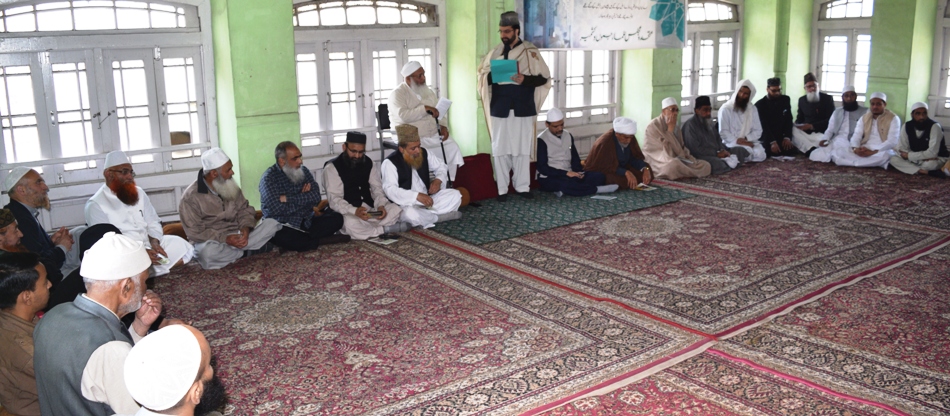
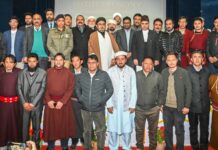
Jammu and Kashmir meeting in Srinagar on Waqf Act amendments on September 10, 2024.
The Mutahida Majlis-e-Ulama Jammu and Kashmir has adopted a resolution expressing deep concern over the Waqf (Amendment) Act, warning that it undermines the religious character of Waqf institutions by reducing Muslim oversight, empowering non-Muslim officials, and repealing key protective clauses. The members were asked to read out the resolution in mosques and shrines across the region last Friday. The MMU reaffirmed support for the All-India Muslim Personal Law Board and urged the community to remain united and vigilant. Meanwhile, Mirwaiz Umar Farooq has once again not been allowed to lead Friday prayers at Srinagar’s Jamia Masjid, drawing widespread condemnation. Some political parties have already gone to the Supreme Court against the Lok Sabha decision to change the law, and many more are planning to file their petitions.
POONCH
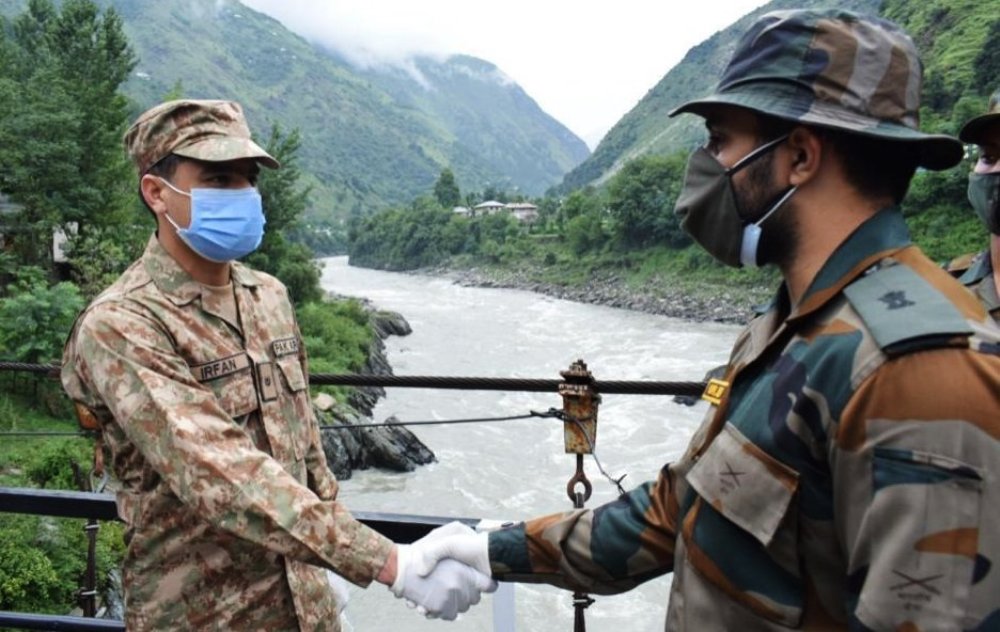
India and Pakistan, on April 10, 2025, held a Brigade Commander-level flag meeting at Chakan-Da-Bagh in Jammu and Kashmir’s Poonch district to discuss border management and measures to reduce tensions along the Line of Control (LoC). The meeting, the second such this year, followed recent ceasefire violations, infiltration attempts, and IED explosions on the Indian side. Indian officers reportedly protested unprovoked firing and cross-border intrusion, including a landmine blast in Krishna Ghati on April 1, and the killing of two soldiers in an IED blast in Akhnoor on February 11. Despite an agreement in 2021 to uphold the ceasefire, Pakistani forces have been accused of repeated violations in Poonch and Rajouri districts. The Indian Army said it responded in a calibrated manner, and the meetings are part of routine LoC coordination under the DGMO-level understanding between the two sides. Both countries reaffirmed the need to maintain peace along the border.
JAMMU

In a significant clarification, Social Welfare Minister Sakina Itoo stated that the Constitution (Jammu and Kashmir) Scheduled Tribe Order, amended in 2024, does not prescribe any area-based criterion for granting Scheduled Tribe status under the Pahari Ethnic Group. She said eligibility depends on ethnic, linguistic, and cultural identity, not residence. Applicants must belong to the Pahari community, speak the Pahari language as their mother tongue, and provide valid identity documents. She emphasised that competent authorities are issuing certificates after due diligence. This clarification addresses prolonged confusion affecting PoJK displaced families in Jammu who meet all criteria except residence in Pahari-designated regions.
SRINAGAR
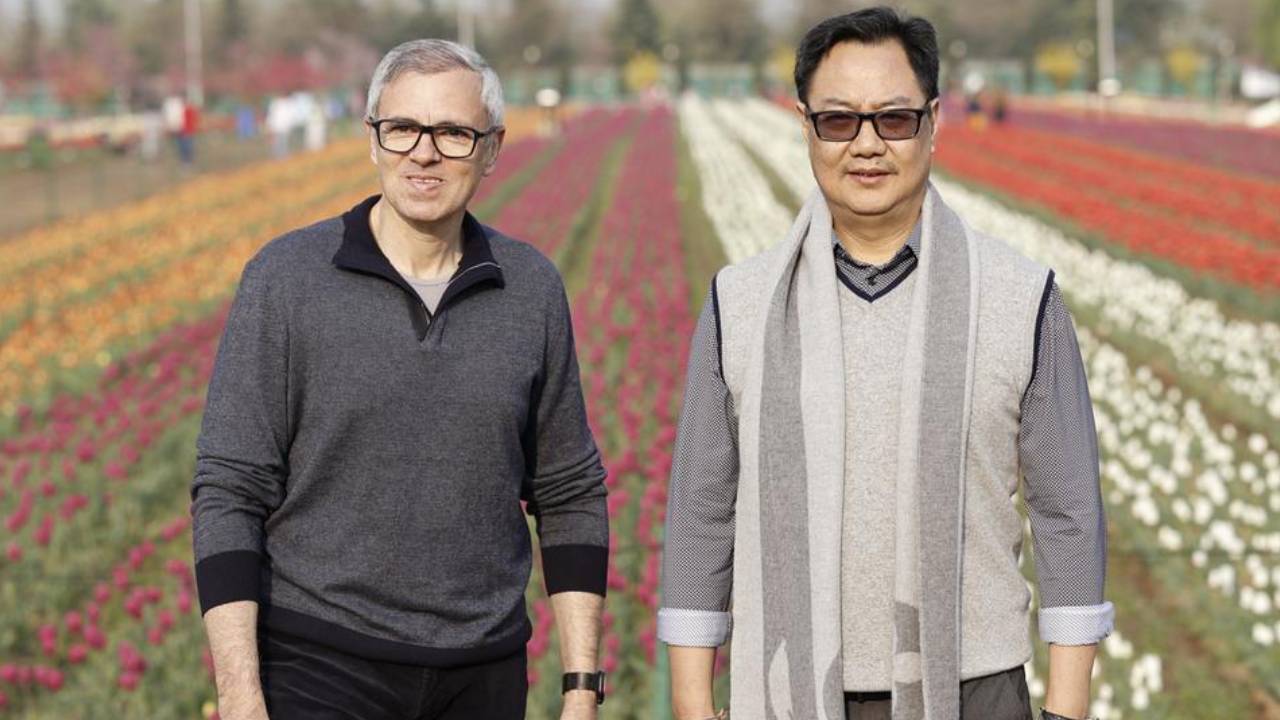
A chance meeting between Union Minister Kiren Rijiju and Jammu and Kashmir Chief Minister Omar Abdullah at Srinagar’s Tulip Garden triggered political uproar, as opposition parties accused the National Conference of rolling out the red carpet for the minister who piloted the controversial Waqf (Amendment) Bill. Rijiju downplayed the meeting as a “brief exchange of pleasantries” during an early morning walk, while Omar said the encounter was coincidental and asked whether he should have been “rude” and refused a photograph. PDP lawmaker Waheed Para criticised Omar for skipping the Assembly debate on Waqf, alleging that the JKNC was facilitating the BJP’s agenda in Kashmir. PDP president Mehbooba Mufti shared the photo and remarked that Rijiju’s Tulip Garden visit, following the passage of the Waqf law, appeared calculated to signal dominance over India’s only Muslim-majority region. Omar countered, blaming the PDP for “sitting in BJP’s lap” during their tenure, invoking Mehbooba’s controversial “doodh aur toffee” remark from 2016.
LADAKH
The Jammu and Kashmir Government has asked the Union Territory of Ladakh to provide funds for the Rs 921 crore High Court complex proposed at Raika, Jammu, as it serves both UTs. This move comes despite Ladakh’s limited financial capacity and has drawn criticism, with many questioning why J&K did not approach the Union Government instead. The Government of India has approved the Jammu and Kashmir idea that the judicial body being shared must have participation from both the UTs, which were part of the same state till 2019. In Jammu and Kashmir, people argue that while dividing the assets, Ladakh took a disproportionate share. While Rs 56 lakh has been released for initial fencing, no timeline has been fixed for starting or completing the main project. The foundation stone was laid in June 2023 by the then Chief Justice of India, but construction is yet to begin due to funding constraints.
PULWAMA
The National Green Tribunal has issued notices to the Jammu and Kashmir Government and the Director of NIT Srinagar over the planned felling of lakhs of trees for a new NIT campus in Pulwama’s Newa area. Environmental activist Raja Muzaffar Bhat filed the petition, citing the presence of over four lakh almond and three lakh apple trees, along with thousands of protected walnut and willow trees on the proposed site. The Tribunal observed that the matter raises serious concerns regarding environmental compliance. The Director of NIT has been directed to submit the full construction plan and specify the number of trees to be cut. The Tribunal also noted the ecological significance of the site, including its role as a habitat for migratory birds and wildlife. The case will next be heard on August 1, 2025. The applicant has been instructed to serve all respondents and file an affidavit of service before the hearing.
LASSIPORA
Jammu and Kashmir’s poultry sector is on the brink of collapse, with local production plummeting from 85 per cent to just 20 per cent of the region’s demand, according to a joint statement by poultry farmers and industrial bodies. In a meeting hosted by the Federation of Chambers of Industries Kashmir (FCIK), the Kashmir Valley Poultry Farmers Association (KVPFA) said rising costs, defunct hatcheries, lack of market protection, and unchecked imports have devastated the industry. Stakeholders warned that without urgent policy intervention and market safeguards, the sector’s breakdown could trigger massive job losses and seriously threaten food security.
JAMMU
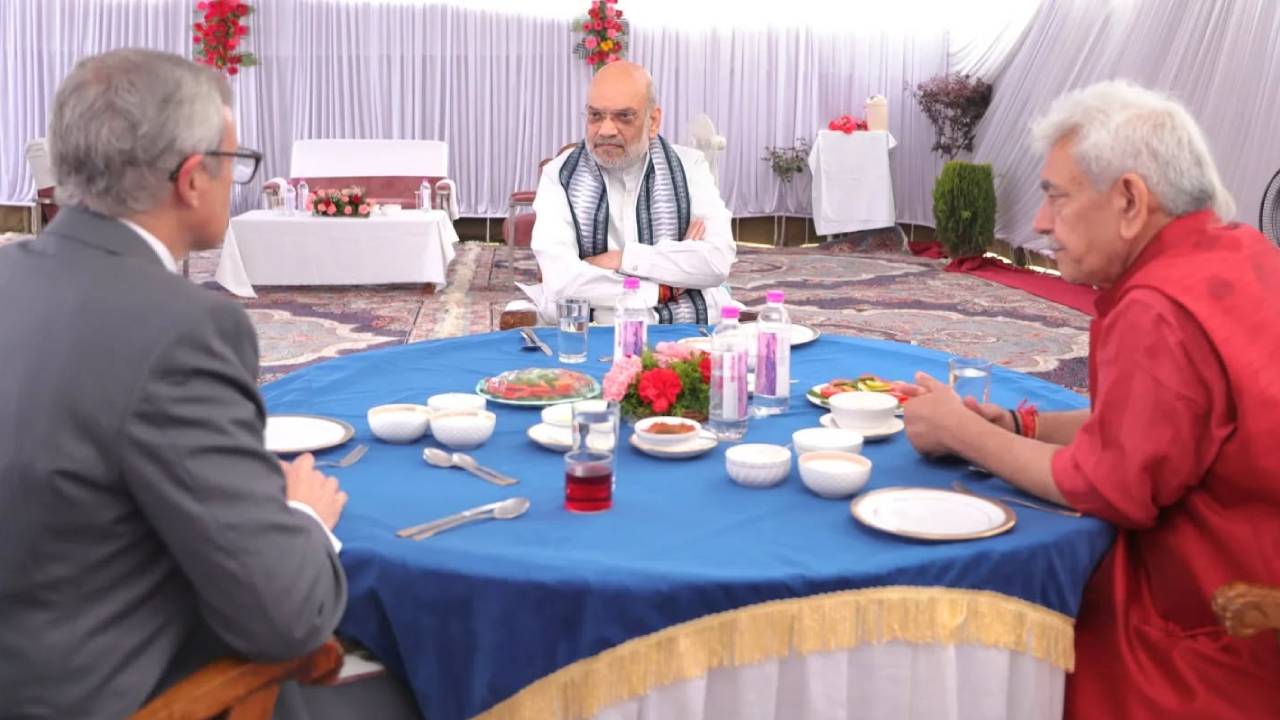
In a major flashpoint between the elected Jammu and Kashmir government and the Raj Bhawan, Chief Minister Omar Abdullah has written to the Chief Secretary, Lt Governor Manoj Sinha, and Home Minister Amit Shah, challenging the legality of the April 1, transfer of 48 JKAS officers. Omar called the move a violation of the J&K Reorganisation Act, arguing that the Council must approve such transfers of Ministers. The Congress, part of the ruling coalition, also criticised the action, urging restraint until business rules are approved. However, LG Sinha defended the decision, asserting in a televised interview that he had acted entirely within the provisions of the Reorganisation Act and “knows his limits.” The episode triggered political mobilisation in Srinagar, especially within the JKNC. Meanwhile, the unresolved promise of restoring statehood continues to cast a long shadow over the fragile balance between elected authority and the Raj Bhawan.
MASSACHUSETTS

Kashmir-born scientist Dr Shahid Banday, working at the HHMI Lab at UMass Chan Medical School, has made a breakthrough in Ewing Sarcoma research, identifying the protein C1GALT1 as a key driver of the aggressive childhood cancer. His team discovered that C1GALT1 regulates the expression of the EWS-FLI1 oncoprotein, which is essential for tumour survival. Using a CRISPR screen, Dr Banday found that Itraconazole, an FDA-approved antifungal drug, can inhibit C1GALT1, reducing tumour growth and causing regression in pre-clinical models. A patent has been filed, and clinical trials are being planned in collaboration with US research groups.