In Jammu and Kashmir, over 31,000 students are enrolled in schools where only one teacher is posted, raising concerns about the quality of education.
KASHMIR
The Jammu and Kashmir Government has launched a Digital Tree Aadhaar programme to conserve the iconic Chinar trees, a cultural and ecological symbol of the region, threatened by rapid urbanisation and environmental degradation. The initiative involves geo-tagging and equipping Chinars with QR-coded digital plates that store detailed information, including geographical location, health status, age, and growth patterns. The project, spearheaded by the Jammu and Kashmir Forest Research Institute, employs modern technologies such as Geographic Information Systems (GIS) to create a comprehensive database for preserving the Chinar heritage. A unique ID, akin to Aadhaar, is assigned to each tree, aiding conservationists in monitoring and addressing potential risks. A survey of the Valley revealed around 29,560 Chinar trees, with the highest concentrations in Ganderbal, Srinagar, and Anantnag districts. The initiative aims to geo-tag 10,000 trees initially, with 50 per cent of the target already achieved. The data is being preserved in district-specific heritage registers, facilitating the addition of new entries as more Chinars are planted. This programme also includes efforts to increase the Chinar population, with over 1,000 saplings recently planted. The initiative is expected to ensure the long-term preservation of these majestic trees, symbolising Kashmir’s natural and cultural heritage.
DELHI

Mirwaiz Umar Farooq, Kashmir’s chief cleric, presented his concerns regarding the Waqf (Amendment) Bill 2024 to the Joint Parliamentary Committee on January 24, 2025. This marked his first visit outside Kashmir since the region’s special status was revoked. Representing the Mutahida Majlis-e-Ulema (MMU), a prominent grouping of Muslim scholars from Jammu Kashmir, he highlighted fears that the proposed amendments undermine the autonomy of Waqf properties, crucial for supporting underprivileged Muslim communities. The MMU’s memorandum articulated apprehensions about reduced Muslim representation in Waqf councils, the removal of the “Waqf by user” provision, and potential government overreach, which could enable the appropriation or sale of Waqf properties. These changes, they argued, threaten the religious and social fabric of Muslim-majority regions like Jammu and Kashmir. The delegation also stressed the regional implications, viewing the amendments as detrimental to religious freedom and institutional autonomy. The Waqf (Amendment) Bill, introduced in August 2024, seeks to streamline Waqf board operations through updated definitions, registration processes, and technological integration. However, opposition from the MMU and other groups highlights fears that these changes compromise constitutional rights and create mistrust within the community.
Calling for immediate rejection of the amendments, the MMU urged meaningful engagement with stakeholders to safeguard Waqf properties and protect the rights of Muslim communities. This meeting underscores broader concerns about the preservation of religious and cultural autonomy in sensitive regions like Jammu and Kashmir.
RAJOURI

The mysterious illness in Badhaal (Rajouri), has resulted in 17 deaths over the past six weeks, sparking widespread concern and protests. Around 300 individuals who came into contact with the affected families have been quarantined in Rajouri. These measures, implemented in containment zones and quarantine centres, aim to curb the illness’s spread. However, government and health officials maintain that the deaths are not linked to a communicable disease. Several individuals, including minors, remain hospitalised, with one in critical condition on ventilator support. Efforts to transfer critically ill patients to advanced medical facilities like PGIMER Chandigarh have faced bureaucratic and logistical hurdles, further aggravating public outrage. Protesters in Rajouri highlighted the inadequate healthcare infrastructure and demanded better responses, including air ambulance services. Local MLA Javed Choudhary accused the dual power system in Jammu and Kashmir of causing delays and inefficiencies, citing a lack of coordination among officials as a key issue. He urged authorities to declare the crisis a national emergency. Meanwhile, a central team continues its investigation, having sent over 230 samples for testing, but no definitive cause has yet been identified. The district administration has established stringent measures at quarantine centres, including food and water testing, round-the-clock medical supervision, and enhanced security. However, concerns persist about the necessity and effectiveness of these measures, given the unclear nature of the illness. The ongoing crisis underscores systemic gaps in healthcare and governance, leaving residents of Badhaal in a state of uncertainty and fear.
JAMMU
The specially designed Vande Bharat Express has arrived at Jammu Tawi station ahead of its formal operations, drawing a large crowd. Set to link Katra to Srinagar, the train offers all-weather travel with features tailored to Kashmir’s extreme conditions, including advanced heating systems and defrosting windshields. With commercial services expected to begin in February 2025, the train will cover 150 km in 2.5 hours, enhancing connectivity and boosting tourism. This marks a significant milestone in the Udhampur-Srinagar-Baramulla Rail Link (USBRL) project, which includes engineering feats like the Chenab River arch bridge. Last week, a successful trial run of the train was conducted between Katra and Budgam. It will be the first direct train between Delhi and Srinagar, cutting travel time to 13 hours with six stops. The Vande Bharat Express will pass through scenic destinations and the world’s highest railway bridges. The Rs 41000 crore project, initiated in 1997, aims to connect Kashmir with the national network. The train’s inauguration is expected in February 2025, with Prime Minister Modi likely to flag it off. However, delays in the Katra-Sangaldan route may push the service’s start to April 2025.
JAMMU KASHMIR
The Jammu and Kashmir government is importing 900 high-yield Dorper and Texel sheep from Australia under the Holistic Agriculture Development Programme (HADP) to reduce reliance on mutton imports and boost local production. A team of experts from the Animal and Sheep Husbandry Department and SKUAST-K has travelled to Australia to oversee the selection and transportation, with the sheep expected to arrive by February 3, 2025. The Rs 26 crore initiative is part of a broader Rs 329 crore, five-year plan to enhance wool and mutton production. The sheep will undergo a three-month quarantine, first in Australia and then in Jammu and Kashmir, before being housed in dedicated centres in Srinagar and Kathua. Post-quarantine, the Dorper sheep will be stationed at a Reasi farm, while the Texel sheep will move to Ganderbal. Both breeds, renowned for their adaptability and high meat yield, aim to make the region self-reliant in meeting its annual demand for 15 lakh sheep.
BANDIPORE

Faisal Ahmad Sheikh, a 20-year-old social media sensation from Bandipora, has achieved a significant breakthrough after being selected by Mumbai-based Taha Film International. Faisal, known for recreating Bollywood scenes on platforms like Facebook and YouTube, gained fame in 2019 when his recreation of a scene from Pushpa amassed 33 million views. Despite early struggles, his dedication and talent have been recognised, with producer Suhail Syed praising his hard work. Faisal, inspired by Akshay Kumar, will feature in three upcoming projects in Kashmir. Expressing gratitude for this opportunity, Faisal credits persistence and passion for his success, with shooting set to commence soon.
JAMMU KASHMIR
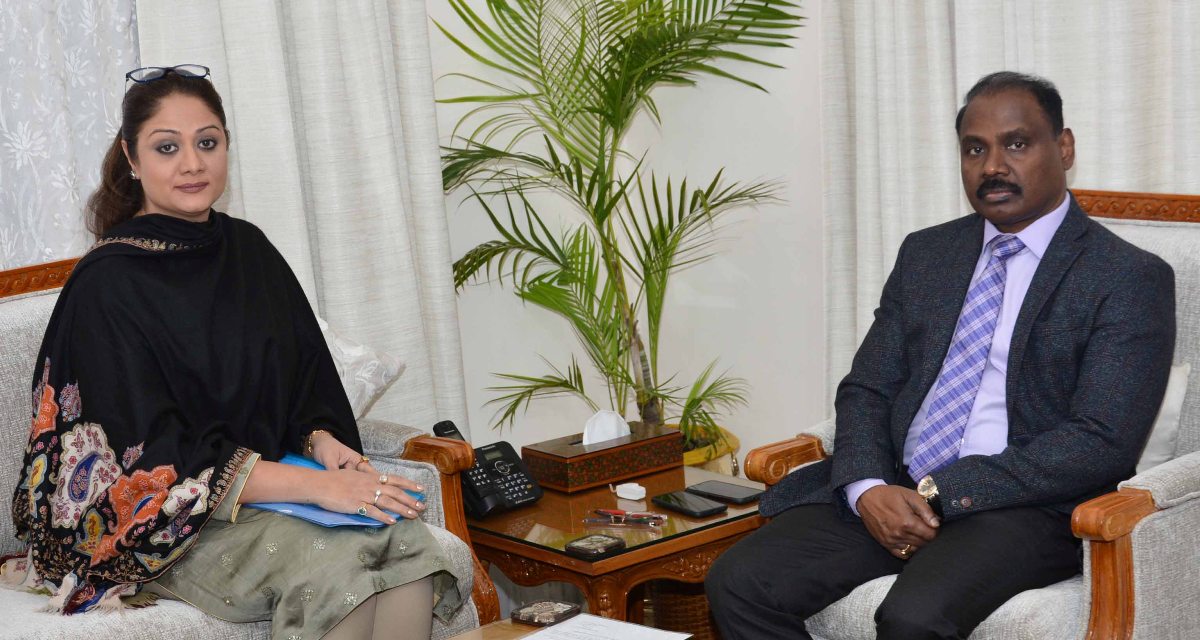
The Jammu and Kashmir government has reconstituted the Jammu and Kashmir Khadi and Village Industries Board (KVIB), replacing BJP leader Hina Bhat with Deputy Chief Minister Surinder Kumar Choudhary as chairperson. The move is part of a broader restructuring by the National Conference-led administration, which won a landslide victory in the recent elections. Hina Bhat, appointed in 2018 under the BJP-led administration, held ministerial status and continued her role even after the elections. Her tenure included initiatives to promote rural employment through KVIB schemes. However, her replacement underscores the new government’s intent to align institutions with its governance priorities. The decision highlights political shifts, as the National Conference consolidates control over key institutions historically aligned with other parties. Choudhary’s appointment brings expectations of a renewed strategy for KVIB, aiming to advance rural industries and employment in Jammu and Kashmir.
PUNJAB
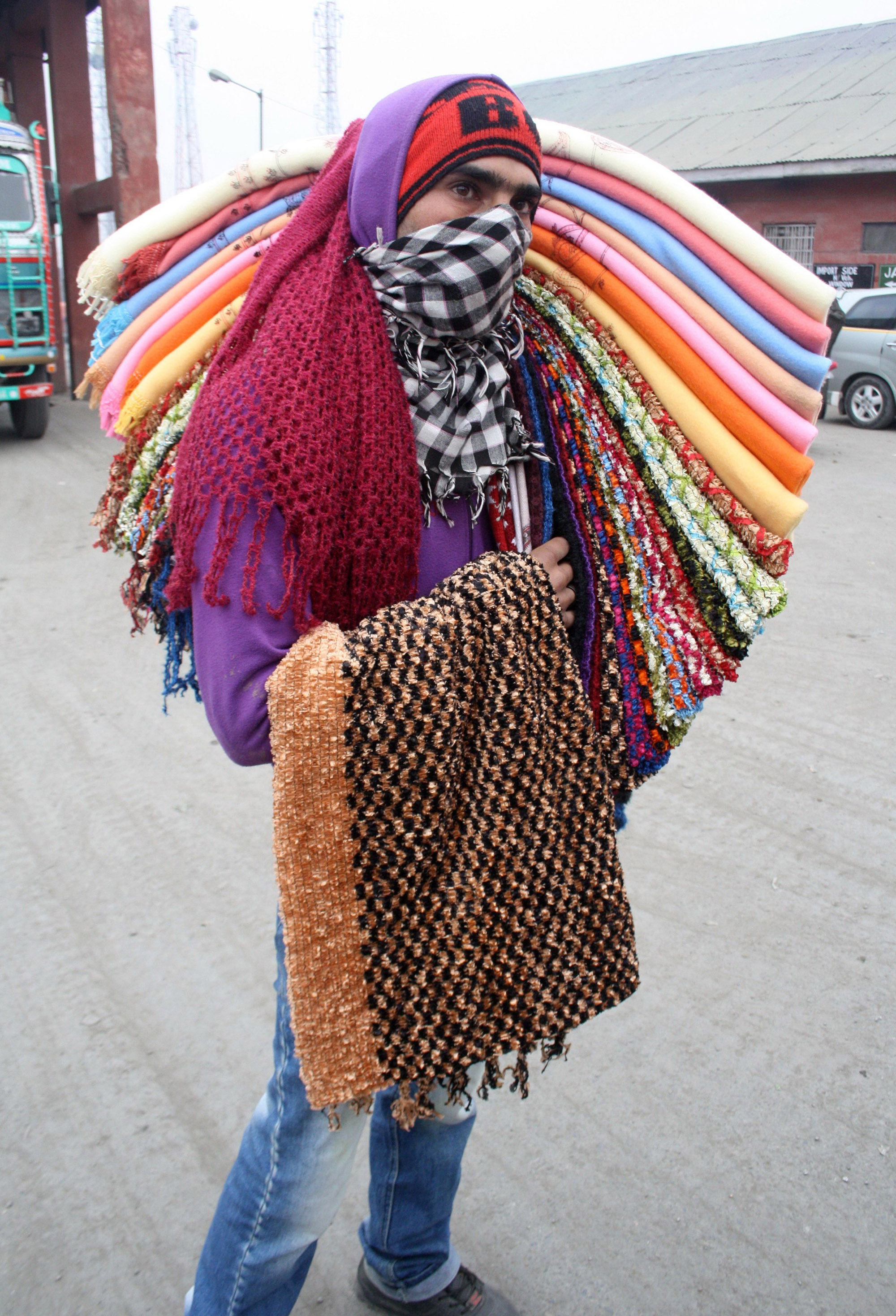
PHOTO BY BILAL BAHADUR
A Kashmiri shawl seller, Mohammad Shafi Khoja, was attacked and robbed by three assailants in Kapurthala, Punjab, on January 18. The assailants, riding a bike, thrashed Khoja and made off with Rs 12,000 and his shawls. Khoja was later hospitalised for treatment. Following the complaint, the Punjab authorities acted swiftly, arresting one of the attackers, Rajkaran Singh, and recovering the stolen money. Efforts to apprehend his accomplices, Lovepreet Singh and Jashanpreet Singh, continue. A case has been registered, and the police have indicated that the suspects have prior criminal records. The Chief Secretary emphasised that such incidents would not be tolerated.
MUMBAI

Jammu and Kashmir fast bowler Umar Nazir Mir (from Pulwama) delivered a standout performance in the Ranji Trophy match against Mumbai, dismantling their batting lineup with pace and bounce. The 31-year-old claimed key wickets, including those of Rohit Sharma, Ajinkya Rahane, and Shivam Dube. Mir’s early breakthrough, dismissing Sharma for just 3 runs, set the tone, followed by Rahane’s clean-bowled dismissal and Dube’s duck. Standing at 6 feet 4 inches, Mir’s bounce and movement troubled Mumbai’s batters, and his disciplined bowling resulted in consistent breakthroughs. This spell highlighted his experience, having taken 138 wickets in 57 first-class matches since 2013. Mir’s impressive domestic career has earned him a spot in India C’s squad for the 2018–19 Deodhar Trophy. His brilliant performance against Mumbai not only bolstered Jammu and Kashmir’s cricketing reputation but also positioned him as a potential IPL prospect, showcasing his ability to compete at the highest levels of the game.
BOSTON
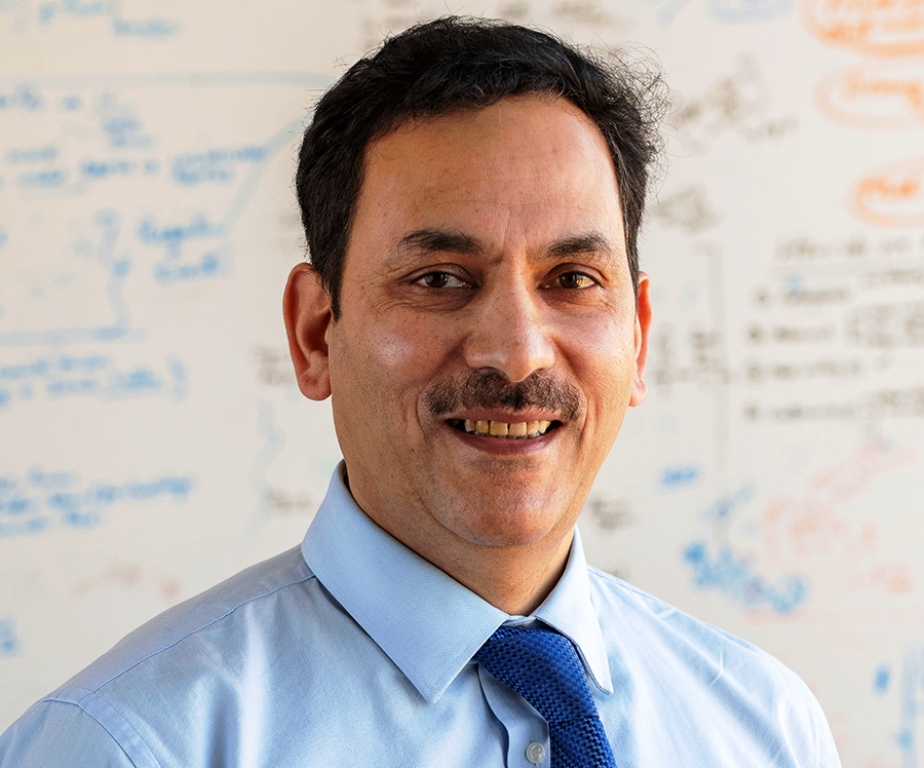
Dr Khalid Shah, a renowned Kashmiri scientist, has made a significant breakthrough in cancer research by developing a safety mechanism to eliminate cancer-killing cells after they’ve completed their mission. This innovation builds on his earlier work transforming tumour cells into cancer killers. The newly introduced “safety switch” uses the RIPK3 enzyme to ensure therapeutic cells self-destruct, enhancing safety while maintaining effectiveness. Published in the Journal of Clinical Investigation, the research also stimulates the immune system to combat tumours. Dr Shah’s work, which has revolutionised glioblastoma treatment, offers hope for safer, more effective cell-based therapies in the future.