JAMMU
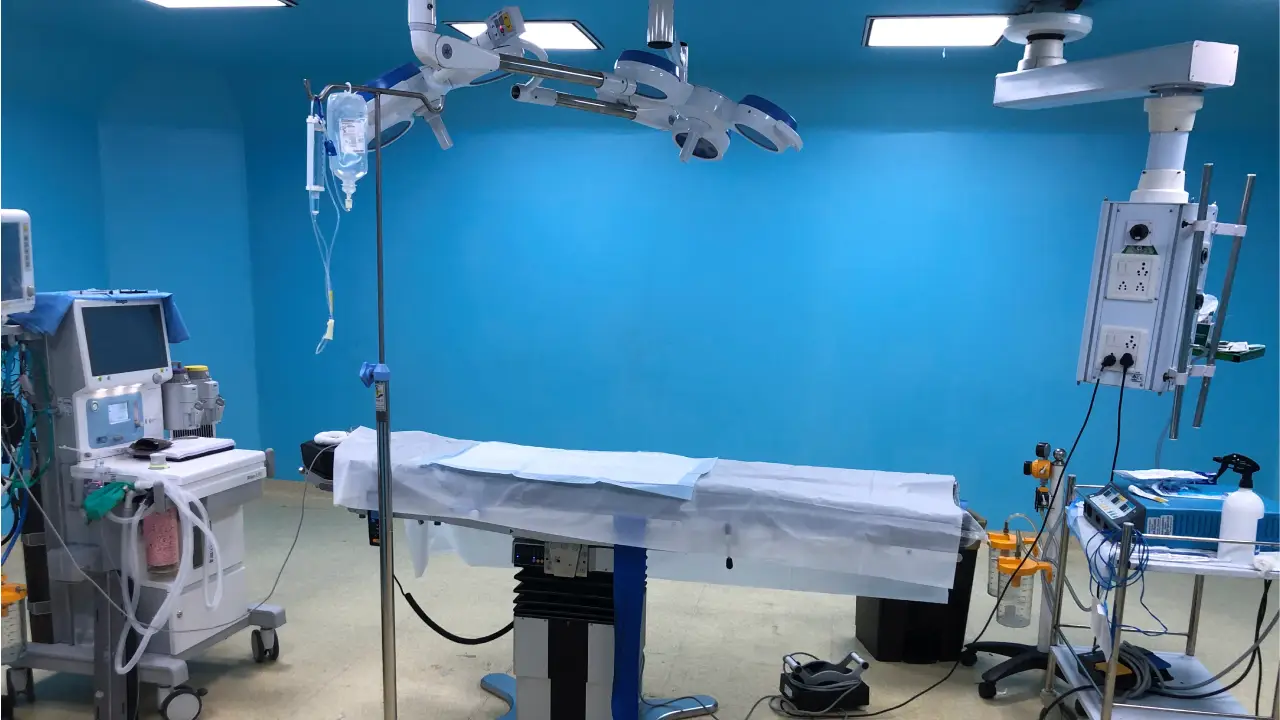
A severe backlog has emerged at Government Medical College (GMC) Jammu after the Government suspended surgeries for gallbladder, appendix, and piles under the Ayushman Bharat Sehat Scheme in private hospitals, effective March 15, 2025. Procedures such as cholecystectomy and appendectomy, once widely performed in empanelled private facilities, are now available only in overburdened Government hospitals. With surgical slots already limited, only emergency cases are being prioritised. Patients now face waiting periods of up to three months, with doctors warning of increasing complications due to delays. Gallbladder ailments, linked to lifestyle and diet, are on the rise, yet surgeries for piles, hernia, and appendix are no longer covered under the scheme’s restricted treatment list. Many patients, unable to afford private care, remain untreated. GMC’s principal, Dr Ashutosh Gupta, acknowledged the rising pressure on surgical units and called the policy rollback a major hurdle in delivering timely healthcare to poor patients.
Amid ongoing reservation debates, Jammu and Kashmir’s youth unemployment has surged to 17.4%, far above the national average of 10.2%.
POONCH

In the wake of Operation Sindoor, which saw deadly cross-border shelling kill 27 and injure over 70 civilians, the Jammu and Kashmir government has proposed constructing the region’s first underground emergency and critical care hospital in Poonch. The facility, to be built beneath the District Hospital, aims to function during wartime conditions and will include an emergency wing, a critical care centre, and staff accommodation. During May’s shelling, the hospital treated most casualties locally but lacked life-saving equipment, costing lives such as that of Amarjit Singh.
However, even as this high-profile proposal is being advanced, a glaring contrast emerges: nearly half of the Rs 242.77 crore sanctioned by the Centre since 2020 for constructing safety bunkers along the LoC and IB remains unspent. An RTI reply revealed only 53.42 per cent of the funds have been utilised, leaving Rs 113.10 crore idle. While Rajouri and Poonch lead in bunker completion, North Kashmir districts like Kupwara and Bandipora have seen minimal progress. Spending has sharply declined since 2020–21. Yet, 9,500 completed bunkers are credited with limiting civilian casualties during the recent escalation. The disconnect between ambitious hospital planning and underutilised civil defence funds raises questions about preparedness and prioritisation in conflict-prone border regions.
The Amar Singh Club, Srinagar, reported a fivefold increase in annual revenue to Rs 4.45 crore for FY 2024–25, up from Rs 86 lakh in 2019–20, at its AGM on June 29, 2025.
SRINAGAR
Nine months after an elected government took office in Jammu and Kashmir, the post of Advocate General remains vacant, paralysing judicial processes and fuelling tensions between the Omar Abdullah-led administration and the Raj Bhavan. The High Court has repeatedly flagged the issue, with Justice Rahul Bharti calling the vacancy a “dead letter of law.” The Bar Association and political leaders have demanded urgent action, warning of delayed litigation and stalled welfare disbursements. Former Advocate General DC Raina’s exit, amid a power tussle, reflects a deeper crisis. Despite official assurances, no resolution appears imminent as key cases languish.
Railway authorities have collected Rs 3.4 crore from fines imposed on violators and illegal passengers travelling on trains in the Jammu Division during June 2025
KASHMIR
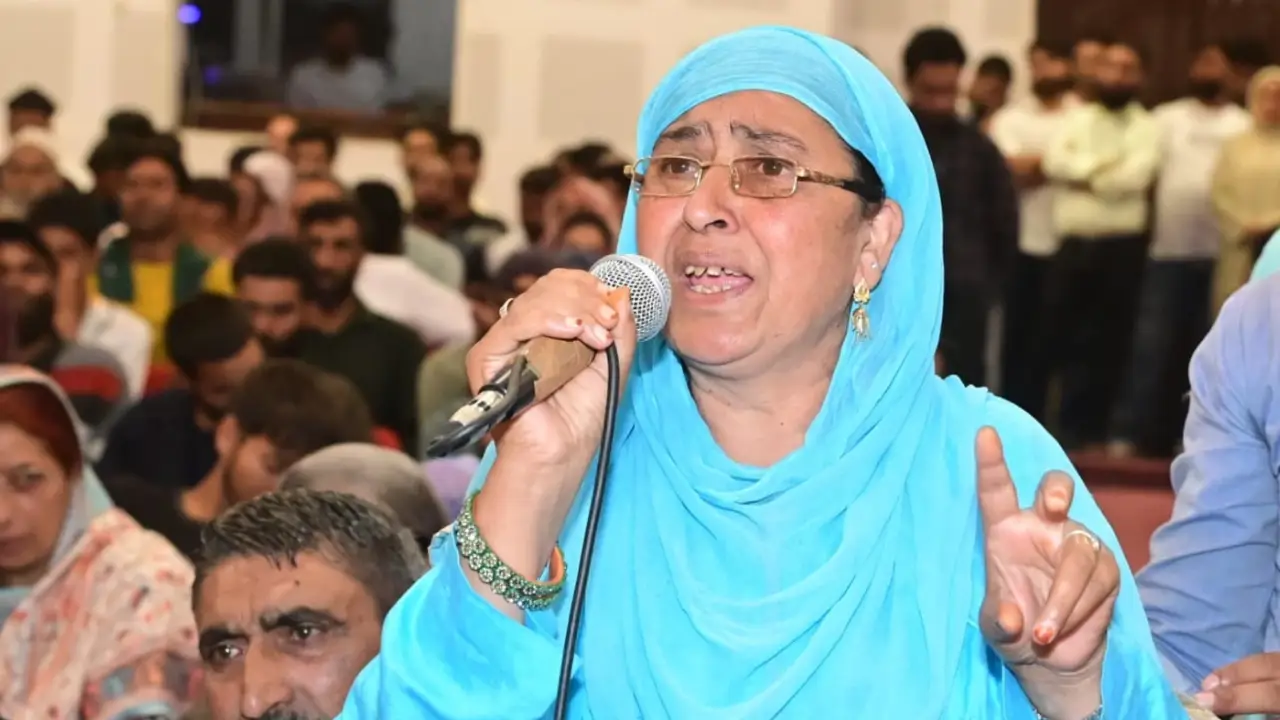
Lt Governor Manoj Sinha has ordered the reopening of ‘long-buried’ cases of killings by militants and identifying government employees with past links to militancy. Chairing a high-level meeting in Srinagar, Sinha directed Deputy Commissioners and SSPs to file FIRs in ignored cases, provide jobs to victims’ next of kin, and restore properties seized by militants or their sympathisers. He also called for financial support under MUDRA for families starting self-employment ventures. Two special cells will be created in the LG Secretariat and the Chief Secretary’s office to address these families’ concerns, alongside a toll-free helpline. The police have already set up dedicated grievance cells in districts like Anantnag, Awantipora, Budgam, Baramulla, and Sopore. Using Article 311, Sinha has previously dismissed 70 government employees for terror links. The initiative follows an outreach to families of terror victims, with Sinha asserting that their pain had long been ignored and justice denied. While security forces blame militants for the bulk of the 15,000 civilian deaths during the insurgency, locals allege broader culpability. Concerns remain over whether the crackdown will include counterinsurgents or be limited to former militants. As police circulate helpline numbers and gather information, the government claims this campaign is aimed at long-overdue justice and support for those affected by decades of conflict.
Now, Ladakh’s direct recruitment reserves 80% for STs, 1% for SCs, 4% for ALC residents, 10% for EWS, with horizontal quotas of 6% for ex-servicemen and 4% for persons with benchmark disabilities.
SRINAGAR
Mohammad Khalil Qazi and Arifa Qazi, a married couple born in Srinagar, have been ordered to leave India after spending nearly four decades in the city. The Jammu and Kashmir and Ladakh High Court, on May 9, 2025, dismissed their 35-year-old legal battle against deportation. Though both had deep Kashmiri roots, Mohammad Khalil, born in 1945 and Arifa, a former Indian passport holder, the court held that they had voluntarily acquired Pakistani citizenship. After their 1986 marriage in Rawalpindi, the couple returned to Srinagar in 1988 with their son on Pakistani passports and were granted temporary residential permits. However, their applications for Indian citizenship went unprocessed, and a 1989 deportation order was stayed by the court in 1990. The recent ruling, led by Justice Sindhu Sharma, invoked Section 9 of the Citizenship Act, 1955, which states that voluntary acquisition of foreign citizenship results in automatic loss of Indian citizenship. The court found no formal evidence that their efforts to reclaim Indian citizenship had succeeded. It concluded that their extended stay was based on expired temporary permits and that they were legally Pakistani nationals. Despite humanitarian concerns in Kashmir over such cases, the court upheld the government’s authority to deport them.
SRINAGAR
The Jammu and Kashmir administration has launched the Family ID initiative to streamline welfare delivery through a unified, real-time digital platform. Led by the Planning, Development and Monitoring Department and supported by BISAG-N for technical execution, the project assigns unique IDs to each household and its members, enabling precise targeting of welfare schemes. Drawing foundational data from the Mission YUVA survey, it will dynamically track over 20 socio-economic indicators, such as income, health, education, and Aadhaar status. With sectoral dashboards for departments and digital passbooks for citizens, the initiative promises to eliminate redundant paperwork, plug data gaps, and ensure last-mile inclusion. Field verification and IVRS-based updates will fill Aadhaar linkage gaps, especially in high-poverty areas like Kupwara and Kishtwar. The system also seeks to reduce duplication, identify ghost beneficiaries, and improve transparency in scheme implementation. Officials aim for complete coverage by 2026, positioning it as a model for citizen-centric digital governance.
JAIPUR
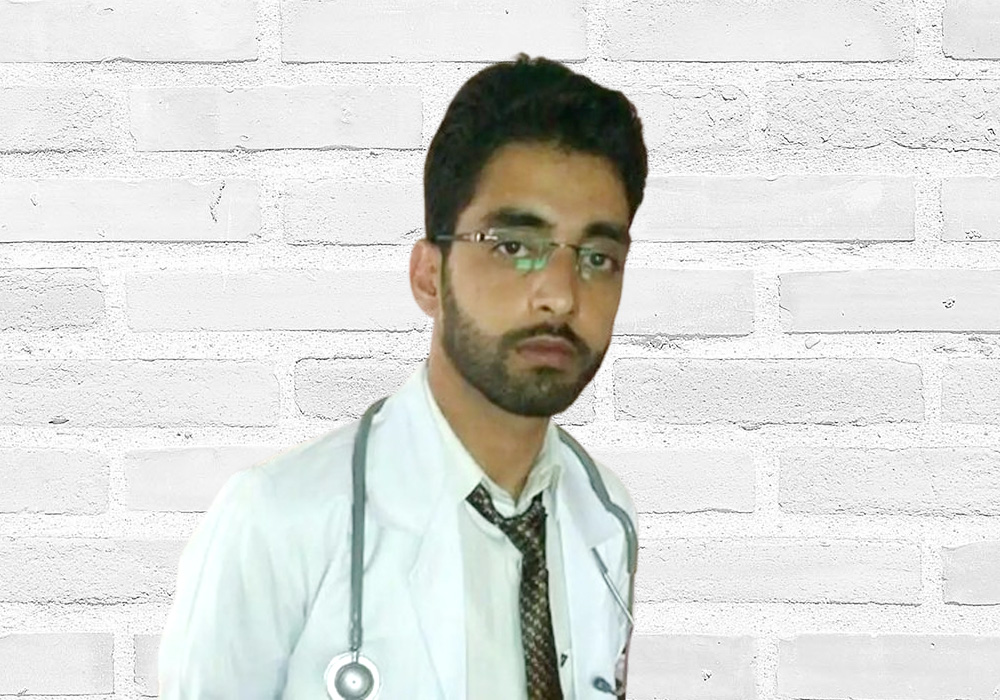
Last week, a Jajpur court sentenced Sayed Ishaan Bukhari, a 37-year-old from Jammu and Kashmir, to five years of rigorous imprisonment for forgery, cheating, and impersonation. Arrested in a raid on December 15, 2023, by the Special Task Force and Jajpur police, Bukhari was posing as a neurospecialist, army doctor, PMO officer, and NIA associate. Investigators seized fake degree certificates from Cornell University, Canadian Health Services Institute, and Christian Medical College, along with signed blank documents, ATM cards, Aadhaar cards, and other forged materials. The conviction was based on testimony from 18 witnesses and examination of 130 documents.
POONCH

A Poonch court has directed police to register an FIR and investigate defamatory media coverage during Operation Sindoor, where national news channels allegedly branded a cleric killed in Pakistani shelling as a terrorist. Acting on a petition by lawyer Sheikh Mohammad Saleem, the court found that Qari Mohammad Iqbal, a civilian teacher, was wrongly linked to terrorism, including the Pulwama attack. Though the channels later issued apologies, the court held that unverified reporting caused reputational harm, public distress, and communal hurt. It is called the act serious enough to merit legal scrutiny under the new Bharatiya Nyaya Sanhita (BNS), 2023.
RAJOURI
A gastroenteritis outbreak in Sakri village, Rajouri district, has led to the hospitalisation of at least 19 people, with two critical cases referred to Jammu’s GMC Hospital. Health officials confirmed E.coli contamination in water samples, attributing the outbreak to unsafe spring water sources. Two women, including one with co-morbidities, died from the illness in Sakri and Tralla villages. Nearly 40 cases have been reported in five days. The district administration sealed five contaminated springs, launched awareness campaigns, and issued advisories against using untreated spring water. The PHE department chlorinated affected baolis, while a safe drinking water supply is being ensured. Deputy Commissioner Abhishek Sharma and medical teams visited the affected areas and conducted extensive sampling and testing, which revealed two infected springs but safe tap water. This incident follows a similar outbreak in Kotli Bagla two weeks ago. Authorities emphasise strict public adherence to water safety guidelines to prevent further infections.
SRINAGAR
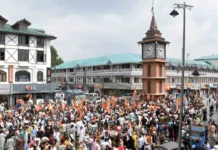
Agriculture Minister Shivraj Singh Chouhan, during his official visit to Kashmir, participated in the Muharram tradition by distributing water at Lal Chowk and highlighted the Centre’s welfare schemes, including housing for the poor. On the eighth day of Muharram, thousands of mourners took out a major procession in Srinagar, which proceeded peacefully under tight security. This marked the third consecutive year that the government permitted traditional routes for the procession, reflecting a shift from decades-long restrictions. However, tensions arose as police removed banners featuring pro-Palestinian figures and posters of Khomeini and Nasrallah, sparking protests and allegations of political interference. Shia leader Aga Ruhullah criticised the police for stifling solidarity with Palestine, calling it a departure from India’s long-standing foreign policy. Despite this, scenes of inter-communal harmony were also visible, with Sunni residents offering water to mourners. Authorities issued advisories to prevent the spread of provocative content on social media amid the ongoing Muharram observances.