KATRA
National Conference president Dr Farooq Abdullah called his recent pilgrimage to Vaishno Devi a “deeply spiritual” experience and hailed his first journey on the Vande Bharat Express as a dream fulfilled. At 87, Abdullah described the trip, from Srinagar to Katra via India’s new semi-high-speed rail, as both emotional and symbolic. He praised the Chenab Bridge and USBRL project as transformative for Jammu and Kashmir, boosting tourism, trade, and horticulture. Praying for peace and unity, Abdullah said the train’s arrival marked a new chapter. His visit has already spurred pilgrim footfall, with leaders calling it a historic and hopeful moment for the region.
JAMMU

The BJP has strongly opposed the Jammu and Kashmir government’s decision to make Urdu mandatory for Naib Tehsildar posts, calling it discriminatory against the predominantly Dogri and Hindi-speaking Jammu youth. BJP leader Sunil Sharma, in a letter to Lt Governor Manoj Sinha, demanded the removal of the Urdu clause from the JKSSB recruitment notice, arguing it creates a regional imbalance. Urdu, though historically introduced by the Dogra Maharajas, is now being contested by the BJP as a tool of linguistic imposition. Critics argue that despite five official languages under the 2020 J&K Official Languages Act, privileging Urdu violates the principles of equality. In 2019, 122 of 126 disqualified candidates for the same post were from Jammu, underscoring the disadvantage. BJP leaders warned of a mass movement if the provision is not revoked, demanding equal treatment of all official languages. Jammu and Kashmir’s entire basic revenue record system is in Urdu.
DODA

In the hills of Jammu’s Chenab Valley, retired professor Syed Zaheer Abbas Hashmi has quietly sparked a green revolution by reviving the majestic Chinar tree far from its native Kashmir. A former principal and university official, Hashmi has spent 16 years planting over 3,000 Chinar saplings across Doda, Bhaderwah, Kishtwar, and Thathri, personally transporting them from Kashmir and nurturing them through harsh terrain and low survival odds. Funded by his savings, he fences, waters, and protects each tree without institutional help. His legacy now lines village roads, college campuses, and once-barren slopes with towering Chinars, each a symbol of memory, culture, and resistance. Though setbacks like arson and neglect have tested his resolve, Hashmi remains undeterred. “A Chinar is not just a tree,” he says. “It is the Valley itself.” Thanks to his devotion, echoes of Kashmir’s ecological soul are now quietly taking root in the heart of Chenab.
KULGAM
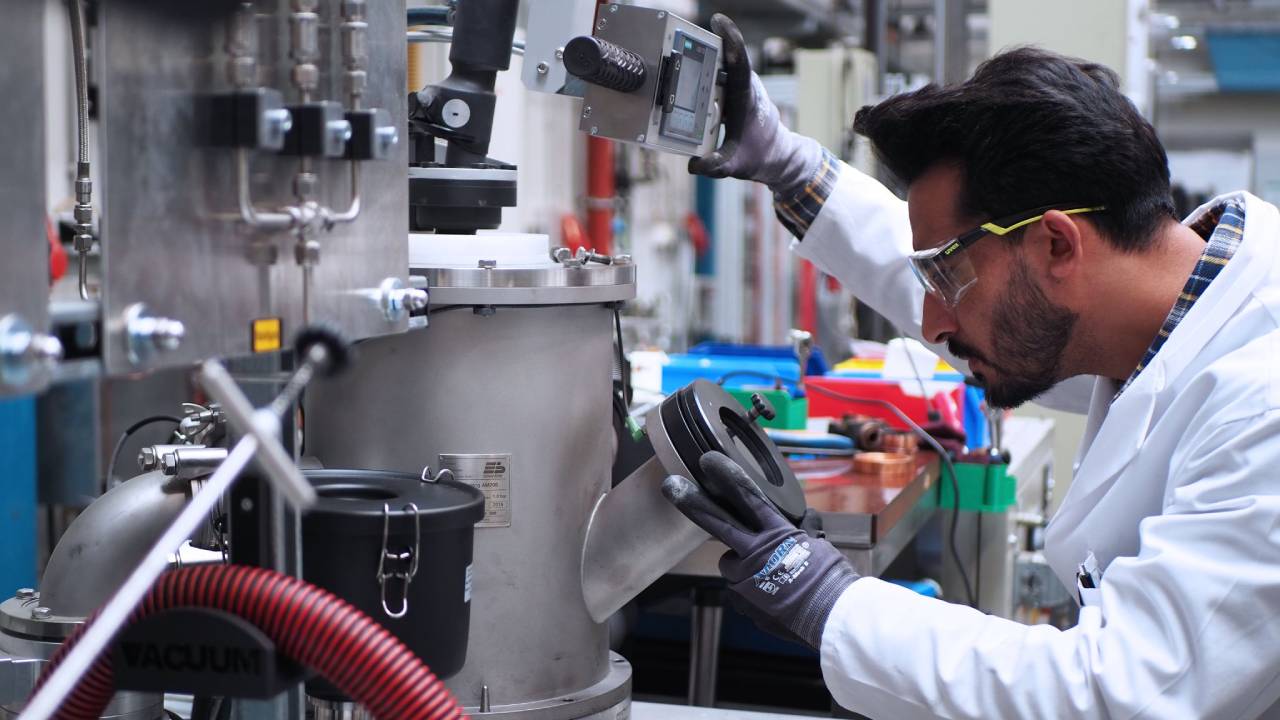
From the orchards of Kulgam to the cutting-edge labs of Germany, Ubaid Manzoor’s journey has yielded a breakthrough with global impact. Now a PhD researcher at the Max Planck Institute in Düsseldorf, Manzoor is the first author of a landmark Nature study that introduces a carbon-free, energy-efficient method of extracting nickel using hydrogen plasma. Unlike traditional processes, which emit nearly 20 tonnes of CO₂ per tonne of nickel, his technique cuts emissions by 84 per cent and eliminates toxic byproducts. With the global demand for nickel set to double by 2040, his innovation offers a sustainable path for electric mobility and clean energy. The method also unlocks the potential of low-grade laterite ores, especially relevant to India, previously discarded due to processing limitations. While industrial adoption faces hurdles, pilot trials are being explored. Manzoor’s work, born of early research at NIT Srinagar and IIT Roorkee, has been hailed as a “game-changer” in sustainable metallurgy. For Kashmir, it also marks a moment of quiet pride, one where science, not strife, leads the story.
ANDRA PRADESH
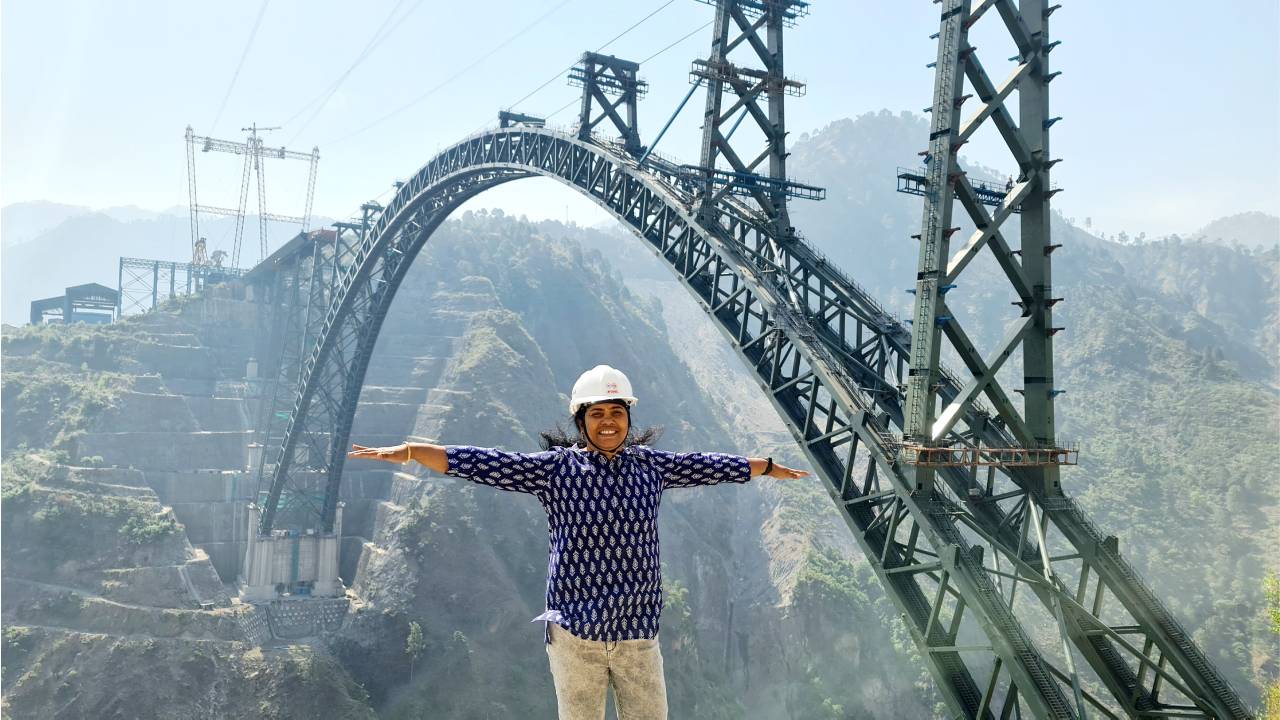
Behind the awe-inspiring Chenab Rail Bridge stands a quieter force, Dr G Madhavi Latha, a pioneering geotechnical engineer whose 17-year contribution was central to anchoring the world’s tallest railway arch deep into the volatile geology of Jammu and Kashmir. The first woman faculty member in IISc Bengaluru’s civil engineering department, Dr Latha rose from a village in Andhra Pradesh to become India’s foremost expert in slope stabilisation and rock mechanics. Called in when the project faced dangerous geological surprises, she led foundation and slope design using a dynamic “design-as-you-go” method, unusual in government mega-projects. Trekking across landslides, crossing rivers, and working through freezing nights, she guided teams to execute complex interventions like 66 kilometres of rock anchors and real-time recalibrations. Her field-tested innovations now form a reference model for sensitive terrain infrastructure. More than an engineering feat, her work redefined what women can achieve in STEM. As she puts it: “Rock slopes, mines, and bridges, they belong to women, too.”
SRIGUFWARA
In a dramatic and hopeful rediscovery, the Eurasian otter, long thought extinct in Jammu and Kashmir, has been spotted in a tributary of the Lidder River near Srigufwara in South Kashmir. Known locally as Wouddur, the semi-aquatic mammal is listed as “near threatened” and serves as a vital indicator of healthy freshwater ecosystems. Its presence, confirmed through camera traps, suggests ecological resilience despite threats from pollution, electric fishing, and construction. Additional sightings in Gurez, Shopian, and Chenab over the past year signal a slow revival. However, fear and misinformation persist among locals, with some mistaking otters for crocodiles. The Wildlife Department has launched monitoring and public awareness efforts, urging people to avoid the water while investigations continue. Once native to Kashmir’s lakes and rivers, otters vanished due to habitat loss and overhunting. Their reappearance now, after three decades, has stirred cautious optimism among conservationists, who are calling for immediate habitat restoration and protection under the Wildlife Act. Officials warn that while this marks a potential turning point, the balance between human activity and conservation must be carefully managed to ensure the species’ survival. In a region marked by environmental decline, the return of the otter is a rare symbol of ecological hope.
RAFIABAD

Ustad Ghulam Nabi Shah, fondly known as Hamle Bulbul, was a towering figure in Kashmiri folk music whose death on June 11, 2025, marked the end of an era. Hailing from Batsuma in Rafiabad, once called Hamal, Bulbul embodied a vanishing cultural identity rooted in music, place, and memory. Trained under maestro Khazir Mohammad Shah, he mastered the sarangi and earned top honours at Radio Kashmir, where his soul-stirring voice became a familiar and cherished presence. Bulbul’s signature art was the rare and intricate glass dance, a delicate performance that fused physical balance with musical rhythm, linking him deeply to Kashmir’s folk heritage. Over a career spanning decades, including service in the Department of Information, he recorded and preserved countless folk compositions and inspired younger generations. His legacy lives on in the archives of Radio Kashmir, in the awards he earned, like the Sher-e-Kashmir Award, and in the continued work of his son, Sarwar Bulbul. In mourning his passing, Kashmir remembers not only a gifted artist but also rediscovers the lost cultural soul of Hamal, a place whose spirit echoed in every note Bulbul sang.
JAMMU
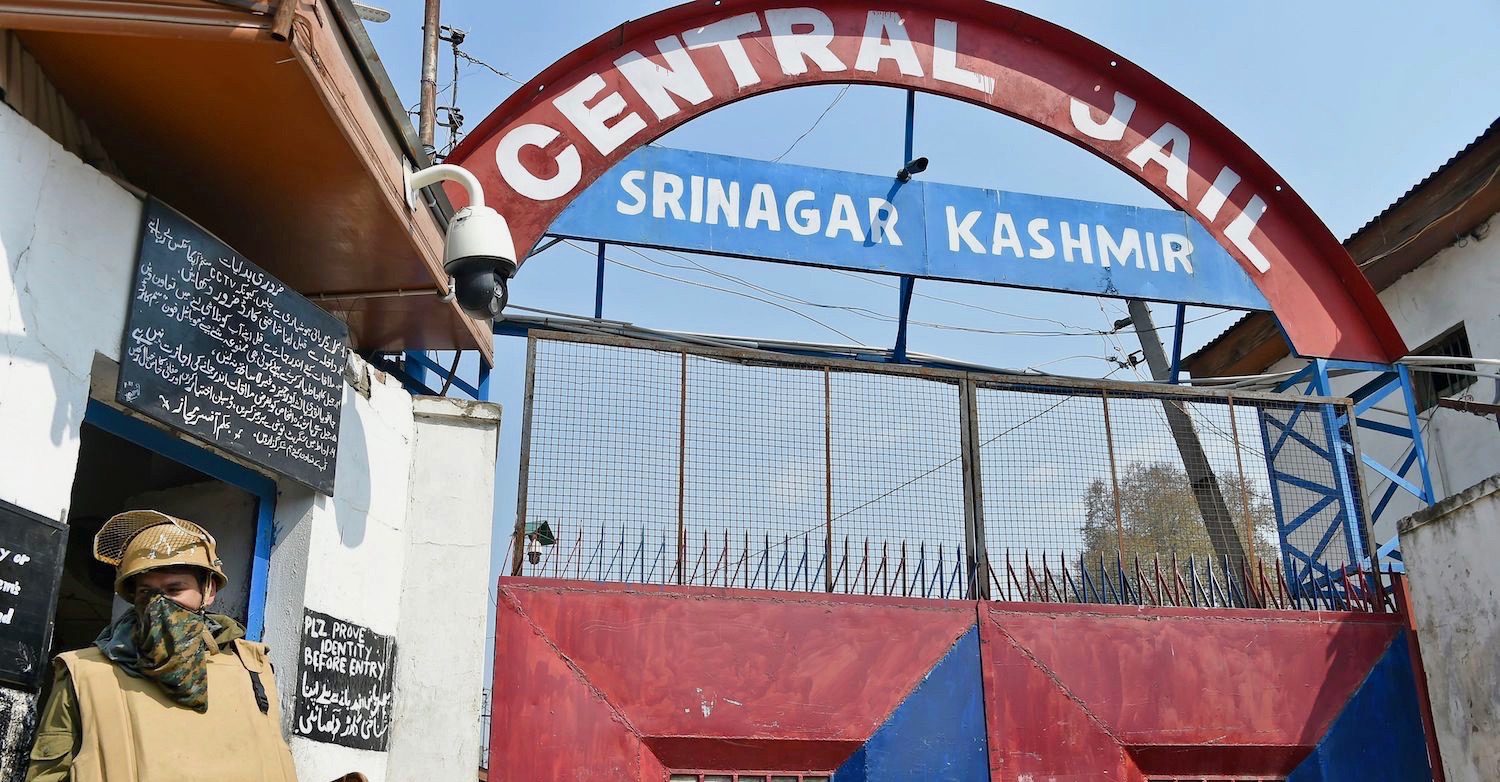
The Central Industrial Security Force (CISF) has officially taken over the security of Jammu and Kashmir’s two most sensitive prisons, Central Jail Srinagar and Kot Bhalwal in Jammu, marking a major expansion of its role in the Union Territory. This move follows the CISF’s 2020 deployment at Srinagar and Jammu airports. The takeover comes amid rising concerns over overcrowded prisons, which are operating at 137.2 per cent capacity, and increasing threats of radicalisation. The CISF is introducing advanced surveillance systems, biometric access, and sniffer dog squads, while the Jammu and Kashmir Prisons Department retains administrative and reformative responsibilities. Both central jails house high-risk inmates, including militants, prompting the shift from local police to CISF’s technologically integrated and nationally experienced framework. This transition aligns with the newly adopted Prison Manual, 2022, and is expected to extend to other jails across the UT, enhancing institutional safety and operational discipline.
SOPORE
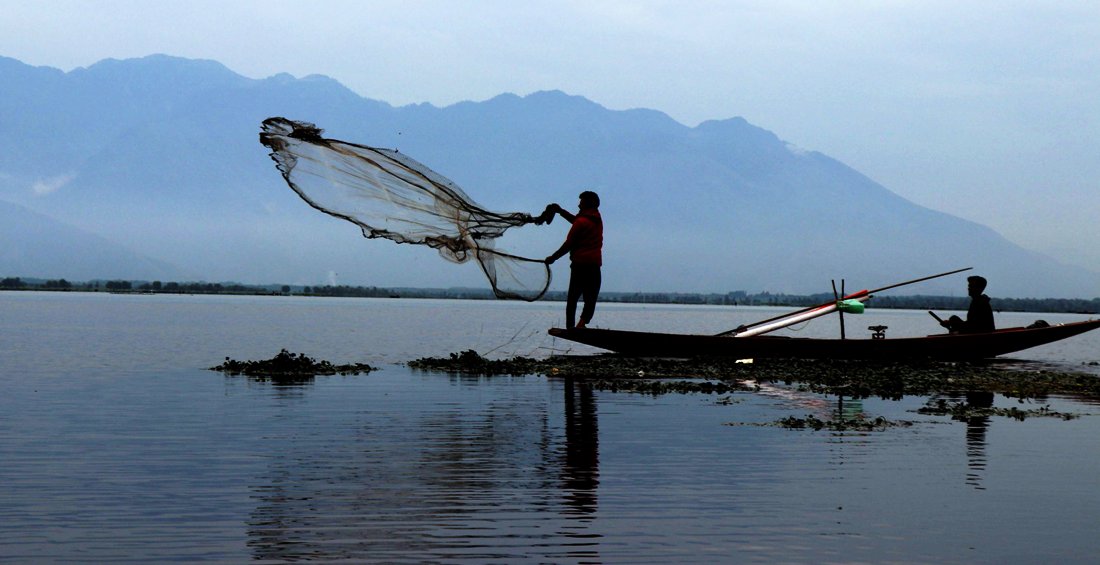
The Tulbul Navigation Project on Wular Lake in Jammu and Kashmir, long stalled due to Pakistan’s objections under the Indus Waters Treaty (IWT), is set for revival after India placed the treaty in abeyance. Originally proposed in 1982, Tulbul aimed to regulate the Jhelum River’s flow to ensure year-round navigation from Wular to Baramulla. However, Pakistan claimed it violated IWT provisions on western rivers. With the treaty now suspended following the Pahalgam terror attack, India asserts its sovereign right to fully utilise its share of the Indus basin waters. The project’s revival is significant for Kashmir’s inland water transport, tourism, and hydropower generation. Power Minister Manohar Lal Khattar confirmed plans to prepare a fresh DPR for Tulbul, citing the end of Pakistan’s veto.
SRINAGAR

The Jammu and Kashmir High Court has denied anticipatory bail to a man accused of rape under the false promise of marriage, ruling that there is prima facie evidence of sexual exploitation and deceit. The Court highlighted the sensitivity of the case under the Bharatiya Nyaya Sanhita (Section 69) and stressed the need to secure crucial digital evidence. Justice Sanjay Dhar quashed the FIR against the accused’s family, citing a lack of involvement, but maintained proceedings against the main accused. The verdict reinforces legal clarity on rape-by-deceit, underlining that bail cannot be claimed as a right in serious sexual offence cases.
DELHI

Former Jammu and Kashmir Governor Satyapal Malik has revealed that he is in a “very serious condition” due to kidney complications and is currently undergoing treatment in the ICU at Ram Manohar Lohia Hospital, Delhi. In a deeply emotional social media post, Malik said he has been hospitalised for nearly a month and that his health has deteriorated sharply, necessitating emergency care. Expressing uncertainty about his survival, Malik made a desperate appeal to the public, sharing his contact number and declaring his wish to speak the truth regardless of the outcome. He also lamented that despite serving the nation for over five decades and holding top positions, he now lives in a single-room house and is in debt, unable to afford private treatment. Malik’s health update comes amid a CBI chargesheet in the Kiru Hydropower Project case, which he claims is a politically motivated attempt to silence his stance against corruption.
SHOPIAN
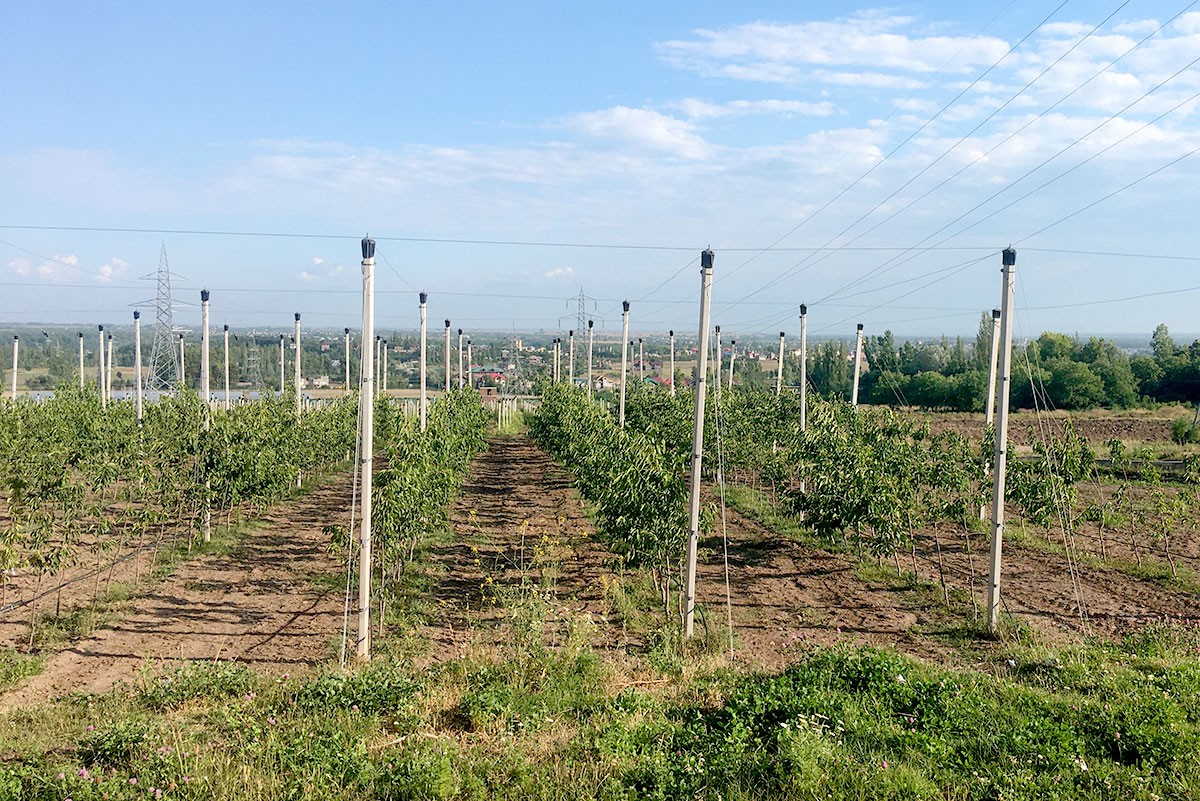
In a dramatic turn of events, more than 400 high-density apple saplings stolen from a disabled farmer in Landoora (Shopian) were mysteriously returned overnight. The farmer, Sajad Ahmad, had invested over Rs 1.3 lakh, much of it debt-funded, into establishing his orchard. The theft left him devastated, and a video of him weeping and pleading for the return of his saplings quickly went viral on social media, sparking public sympathy. In an unexpected twist, the stolen trees were quietly brought back and replanted in the same field. Locals were stunned to find the saplings neatly placed in the orchard the next morning. Sajad confirmed they were the same trees and appeared undamaged. The identity of the culprits remains unknown, but the gesture of returning the trees has brought temporary relief to the heartbroken farmer.