The ICMR-INDIAB study, presented at SKIMS Soura on World Diabetes Day, reported 7.8 per cent diabetes prevalence, 10.5 per cent pre-diabetes, 30 per cent hypertension, and 57.6 per cent obesity in the sample.
MAHARASHTRA
In the run-up to the Maharashtra Assembly elections, the BJP has intensified its attack on the Congress, accusing the party of scheming to reinstate Article 370 in Jammu and Kashmir. Prime Minister Narendra Modi and Home Minister Amit Shah have repeatedly alleged that the Congress and its allies aim to create a separate Constitution for Jammu Kashmir, citing a resolution recently passed in the J&K Legislative Assembly seeking restoration of its special status. Addressing an election rally in Chhatrapati Sambhajinagar, Modi questioned whether the people of Maharashtra would support a party that “speaks the language of Pakistan.” He claimed the Congress opposed the abrogation of Article 370 in Parliament, the courts, and now through the Jammu Kashmir Assembly resolution. In response, Congress President Mallikarjun Kharge refuted the BJP’s claims, emphasising that Article 370 was nullified in August 2019 by Parliament under the BJP-led government. Kharge accused the BJP of exploiting the issue to create divisions, questioning why the matter was being reignited if the provision had already been repealed.
Interestingly, while the Congress supported the JKNC resolution, it kept calm and avoided even mentioning Article 370. The Congress is aligned with the National Conference in Jammu & Kashmir, which supports restoring the region’s special status. The BJP’s rhetoric around Article 370 has become a central theme in its Maharashtra campaign, portraying the Congress as divisive and against national unity.
It was the 11th encounter in Jammu and Kashmir in a fortnight, spanning 8 of 20 districts, resulting in the deaths of 10 militants and a commando.
KASHMIR
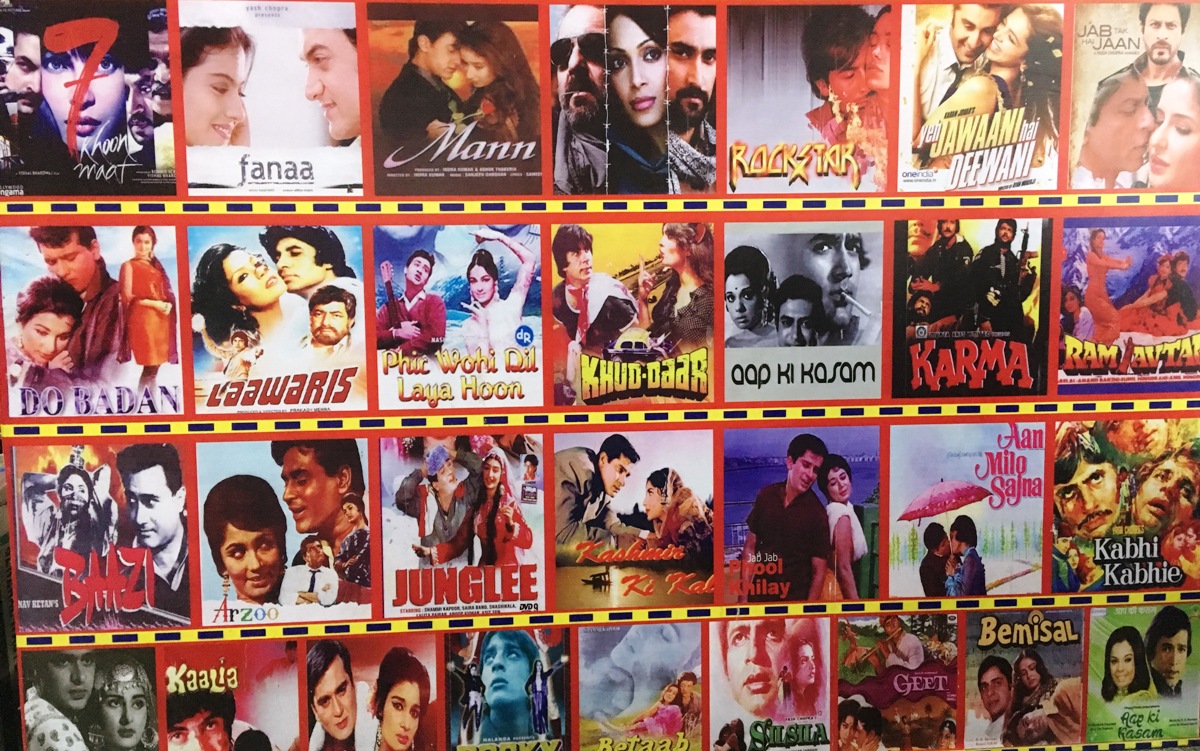
The upcoming release of Kaya Palat marks a significant chapter in Kashmiri cinema. Featuring actress Helly Shah and directed by Shoib Nikash Shah, the film is produced by Rahhat Shah Kazmi Film Studios, Tariq Khan Films, and others. Kaya Palat blends suspense, action, and emotion while symbolising Kashmir’s return to Indian cinema. Kashmir, once Bollywood’s favoured destination for its picturesque landscapes, saw its film industry decline after the 1989 insurgency, which shuttered cinemas and halted screenings. The movie reflects this resurgence, showcasing a story about a woman’s fight against organised crime. It also features Mir Sarwar, who appeared in earlier regional films like Akh Daleel Loolech and Kashmir Daily. Rahhat Shah Kazmi, a pivotal figure in Kashmiri cinema, previously garnered international acclaim with Identity Card: Ek Lifeline (2014). His return, along with contributions from Shoib Nikash Shah and Tariq Khan, underscores a collective effort to reignite the local film industry.
LONDON
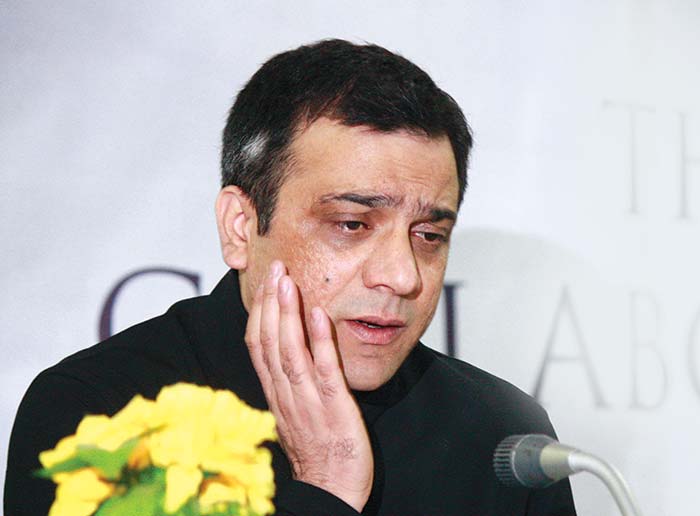
London-based Kashmiri author Mirza Waheed has refused to support the screening of the film adaptation of his novel, The Collaborator, at the Tamuz Shomron Film Festival, held in an Israeli settlement. Waheed opposes the festival’s association with Israeli cultural institutions that he accuses of complicity in the oppression of Palestinians. Through a piece in Literary Hub, Waheed highlighted the festival’s support from the Shomron Cinema Fund, often criticised as the “settler film fund” even by prominent Israeli filmmakers. He stated that he could not allow his work to be used to “whitewash Israeli apartheid” or undermine Palestinian rights. Waheed, who recently joined over 5000 writers in pledging to avoid collaborations with such institutions, said he would abstain from promoting the film unless it is withdrawn from the festival. The film, produced by Mulberry Films (US) and Metro Productions (Georgia), adapts Waheed’s novel set during the 1990s in conflict-torn Kashmir. It follows a boy tasked by an Indian army officer to recover weapons and IDs from slain rebels. Waheed emphasised his moral stance, stating, “It is not in my power to decide the producers’ actions, but it is in my power to choose my response.”
SRINAGAR
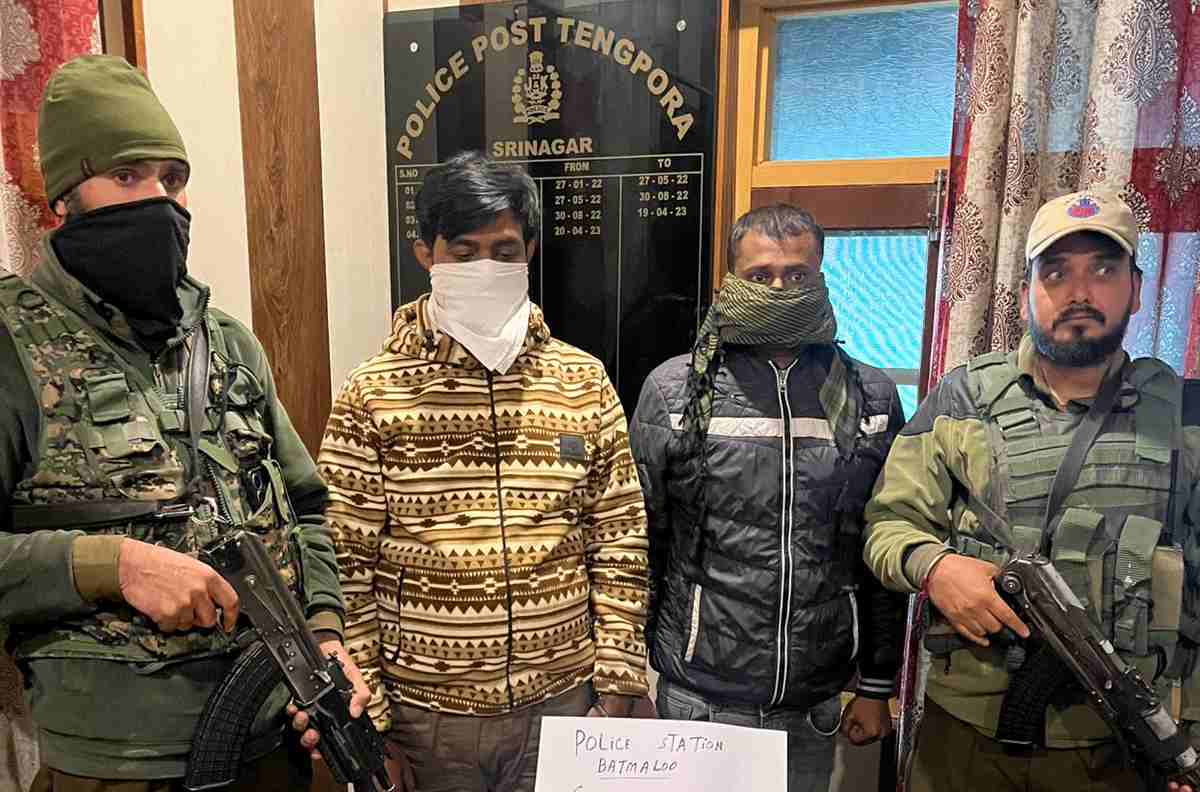
Jammu and Kashmir Police seized 2.4 kg of heroin and 2.86 kg of crystal meth, worth crores, arresting two accused from Delhi during a checkpoint operation in Tengpora. The accused, Love Kumar and Vipin Kumar were booked under the NDPS Act, and investigations are ongoing to uncover the drug network. This follows intensified police efforts, including arrests and property seizures, to combat narcotics trafficking in the region. This came within days, the police arrested a young man who was using a high-end drone to manage the distribution of drugs in Srinagar city.
KASHMIR
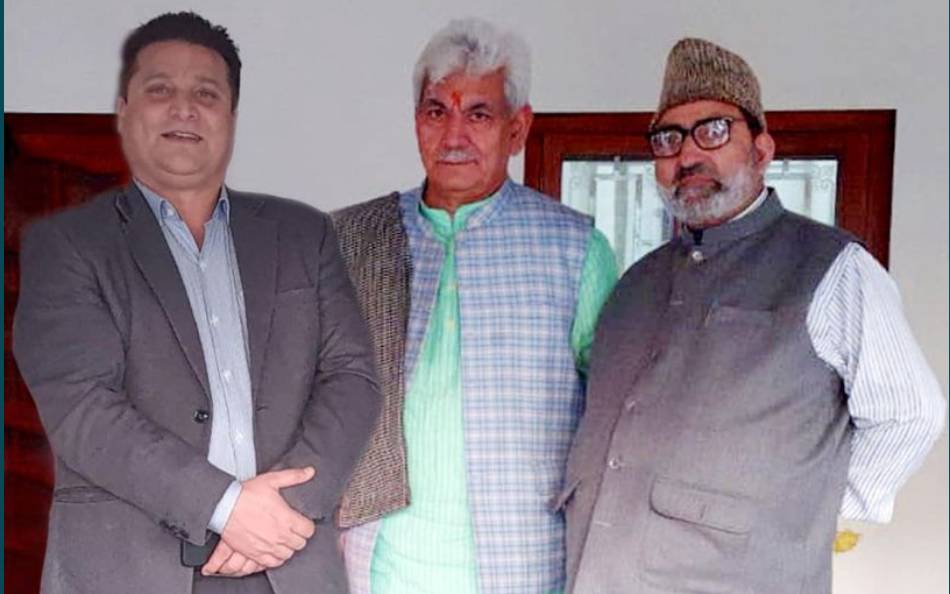
The Jammu and Kashmir National Conference (NC) suspended senior leader Haji Mohammad Sayeed Akhoon for six years over anti-party activities. Akhoon, a former MLA, had criticised the NC for favouring dynastic politics and sidelining loyal members, citing specific instances of ticket allocations. His grievances were compounded by his daughter and son-in-law leaving the party to form their own. The NC also expelled former MLC Kafeel-ur-Rehman and Baramulla District Secretary Ghulam Hassan Rahi for supporting rival candidates during elections, underscoring the party’s crackdown on dissent and anti-party conduct.
SONAWARI
The grenade blast at Srinagar’s crowded Sunday market on November 3, claimed the life of 42-year-old mother Abida Akhtar, sparking mourning and outrage across Kashmir. The attack injured a dozen others and prompted allegations of an inside plot, with National Conference leader Farooq Abdullah linking it to efforts to destabilise his son Omar Abdullah’s government. Omar called for stronger security measures, while police arrested three suspects linked to Lashkar-e-Toiba. The incident has heightened concerns about renewed violence in the Valley, recalling an era when such attacks were frequent.
KARGIL
Kargil police have solved a 26-year-old quadruple murder case, arresting three suspects responsible for the 1998 disappearance and killing of four men who were travelling to Wardwan to purchase livestock. The case, initially declared untraced in 2007, was reopened in 2011 after skeletal remains were identified through DNA. Upgraded charges of murder and robbery in 2012 faced delays as the nomadic suspects evaded capture. A new investigative team tracked and arrested them in Hira Nagar, Kathua, and recovered evidence through confessions. This breakthrough underscores the enduring reach of justice and the persistence of law enforcement.
SRINAGAR
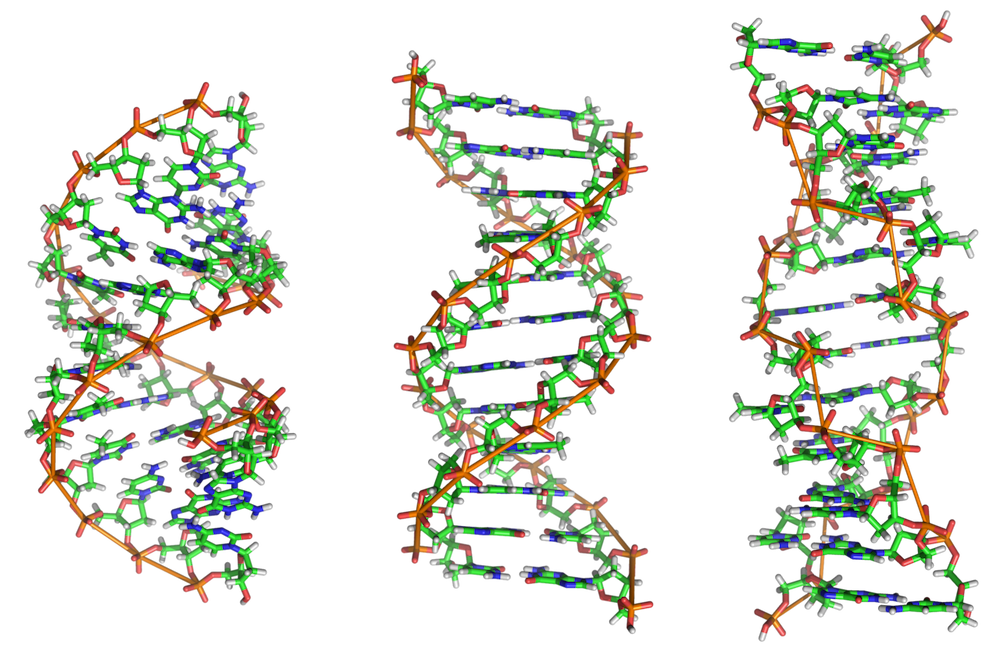
The Forensic Science Laboratory (FSL) in Jammu and Kashmir has published its first genetic data study, revealing significant genetic connections between the region’s population and areas along the ancient Silk Road. Published in the International Journal of Legal Medicine, the study analysed DNA markers from 694 individuals across the region, showing strong genetic links to Central Asia and the Arab world. These findings reflect the enduring impact of trade routes established by the Han Dynasty around 130 BC. The study also highlighted genetic similarities between Jammu and neighbouring Indian states, as well as notable diversity within districts like Ramban, Reasi, and Kishtwar. Lead author Dr Nadeem Mubarik noted the study’s impact on both law and health, enhancing forensic evidence in court and aiding in managing genetic diseases in the region. This research is set to improve justice delivery, especially in sensitive cases like POCSO, and lay the groundwork for further studies in genetics and forensic science.
DODA

The demand for the release of environmental activist Rehmatullah Padder has grown, with activists, NGOs, and public figures condemning his detention under the stringent Public Safety Act (PSA). Padder, a volunteer with the Ababeel NGO, was arrested on November 10 in Doda, allegedly for being an Over Ground Worker (OGW) for militants. His supporters, however, argue that his arrest was politically motivated, linked to his efforts to expose corruption in local civic projects, such as waste management and a sewerage treatment project. A dossier from the Doda district administration cited anti-national activities, but Padder’s colleagues contend he was detained for his activism. Local MLA Mehraj Malik criticized the arrest, claiming Padder was targeted for questioning the administration’s failures. The National Alliance of People’s Movements (NAPM) and over 250 activists condemned the charges as baseless, asserting that the detainees were advocating for environmental and socio-economic issues, such as hydropower projects and environmental degradation. Activists emphasized the importance of dissent in a democracy and urged the authorities to adopt a responsible approach. Calls for Padder’s release highlight the ongoing tension between the Jammu and Kashmir administration and socio-environmental advocates, who argue for transparency and public participation in decision-making.
WULAR LAKE
On November 10, 2024, four Members of the Legislative Assembly (MLAs) visited the Zurmunz Wular fishing area to address concerns affecting the local fishing community and the Wular Lake ecosystem. The visit aimed to foster collaboration for sustainable practices and protect the lake’s resources. MLAs Nizamuddin Bhat, Hilal Akbar Lone, Irshad Ahmad Kar, and Irfan Hafeez Lone, along with environmentalists and community leaders, discussed issues such as pollution, resource access, and conservation funding. They pledged to support the fisherfolk’s rights and pursue policies to protect the lake’s environment and ensure sustainable livelihoods.
KISHTWAR
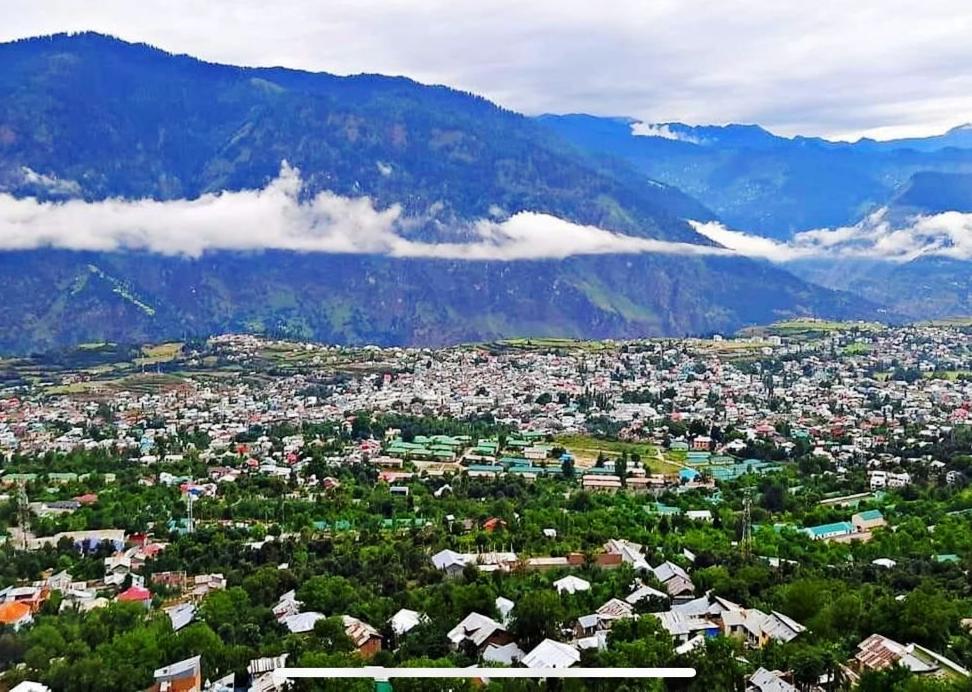
In a tragic incident in Drabshalla, Kishtwar, a mother and her two children were burnt alive in their sleep when a fire broke out under suspicious circumstances in their house. Nazia Begum, along with her 7-year-old daughter Amna and 4-year-old son Rizwan, was trapped and died in the fire. Locals and police reached the scene too late to save them. Family members and protesters suspect foul play, alleging that Khurshid Ahmed, the husband, and his second wife were involved in the deaths. Police have initiated an investigation, while MLA Shagun Parihar has assured a fair probe.
BANDIPORA
A troubling incident has occurred at Wular Lake, where hundreds of domestic geese have been found dead along its shoreline, raising alarms among local communities and environmentalists. Fishermen and villagers report the sudden deaths of geese, which have been a key source of income and are concerned about potential health risks. The deaths coincide with the return of migratory birds, increasing concerns over the lake’s declining health. Wular Lake, once Asia’s second-largest freshwater lake, is suffering from pollution and habitat degradation, with some residents noting that the water is no longer safe to touch. Initial assessments suggest Ranikhet disease, a contagious viral infection, maybe the cause. Environmentalists urge for immediate investigation and action to prevent further losses and protect the ecosystem, which is crucial for both local livelihoods and biodiversity. Conservationists call for stronger environmental policies to safeguard the lake’s future.