DELHI
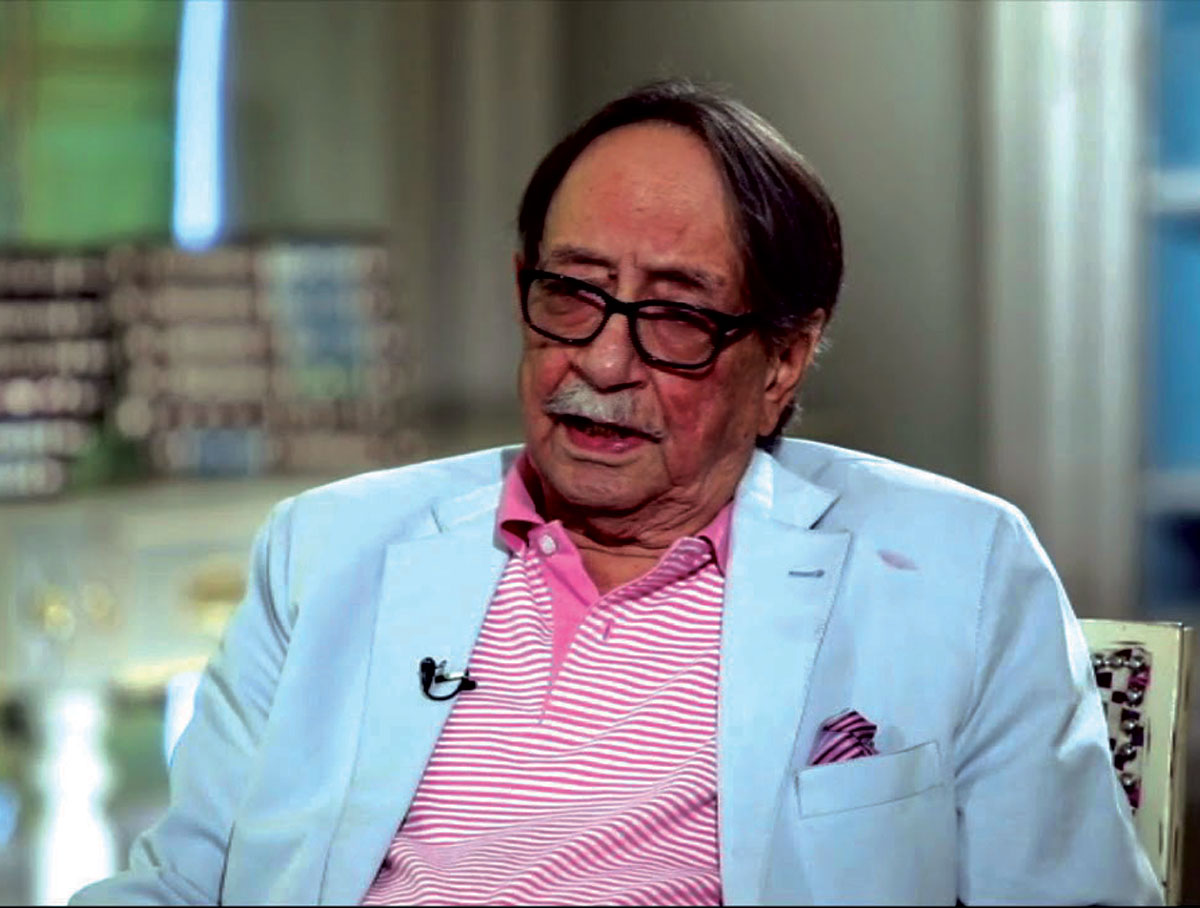
Former R&AW chief AS Dulat’s first novel, Our Kind of Games, offers a fictionalised but deeply personal account of Kashmir in the early 1990s, when militancy was at its peak, according to Tavleen Singh, who describes the book as “powerful and revealing” and difficult to put down.
The protagonist, Ranjit Soni, heads the Intelligence Bureau in Kashmir, the position Dulat himself once held. Dulat told Singh that while the story is imagined, much of Soni’s experience, emotions and relationships draw on his own life. The novel introduces militants, intelligence operatives, informers and intermediaries, portraying Kashmir as a place where “everyone plays the game” but nobody wins.
One of its darker themes is the relationship between intelligence operations and those who cooperate with the state. Soni realises that those who help him eventually die, raising questions about the human cost of intelligence work.
Dulat also introduces Swamy, a senior intelligence officer apparently modelled partly on former IB chief Ajit Doval. The character represents rules and procedure, contrasting with Soni’s willingness to take risks. This contrasts with Dulat’s earlier memoir description of Doval as someone prepared to take unconventional risks.
The novel leaves unresolved whether Soni’s eventual breakdown stems from Kashmir, his methods or both. As Singh notes, Dulat is the first former R&AW chief to write a novel, making its fictional revelations particularly intriguing.
The Jammu and Kashmir Pollution Control Committee has inspected 517 stone-crusher units since January 2025, issuing 229 legal notices and 146 closure orders for environmental violations.
JAMMU KASHMIR
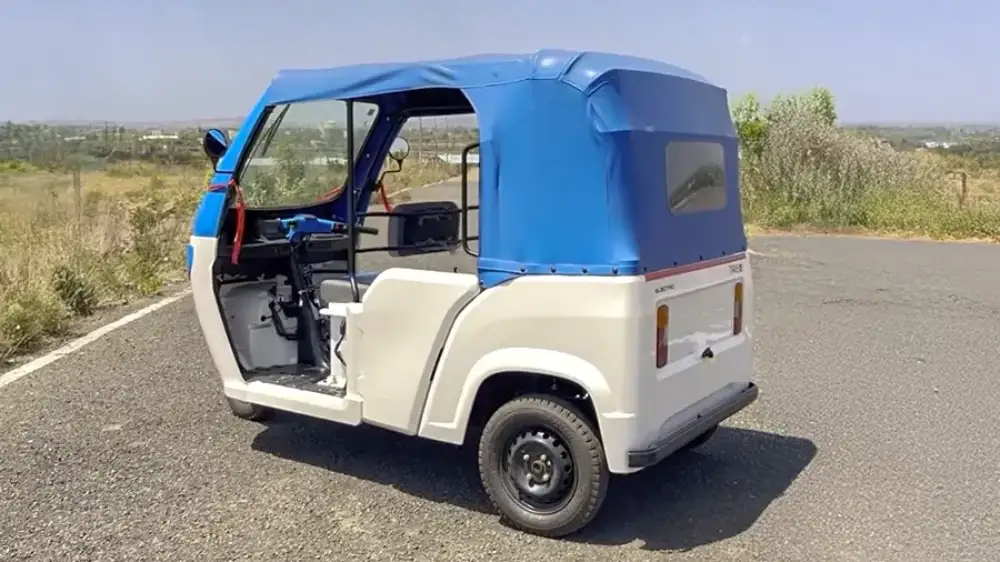
The offer of interest subsidies, scrappage incentives and special benefits for early adopters comes alongside a tougher enforcement regime as Jammu and Kashmir pushes its new electric vehicle policy. The Government has directed field offices to seize and lodge FIRs against commercial vehicles found operating beyond the 25-year age limit.
The J&K Electric Vehicle Policy-2026 provides 3-5 per cent interest subvention on EV loans for up to 36 months and sets aside Rs 50 crore annually for scrappage-linked incentives. The first 15,800 eligible adopters will get additional benefits, including Rs 15 lakh for the first 300 e-buses, Rs 1 lakh for 1,500 personal cars and Rs 5,000 for 10,000 two-wheelers.
The incentives come as the transport sector faces a difficult transition. Srinagar’s mini-bus fleet has fallen from 1,800 to about 800, with around 1,000 vehicles scrapped but few replaced. Transporters say the earlier Rs 5 lakh subsidy on bank loans of Rs 25 lakh or more attracted few takers because of repayment costs.
The six-year policy targets 1.4 lakh EVs by 2032 and 900 public charging sites, including 140 fast-charging hubs. It also mandates 20 per cent EV-ready parking and introduces winter-performance validation for vehicles operating in J&K’s snow and sub-zero conditions.
Jammu and Kashmir’s two main recruitment agencies collected Rs 113.91 Cr in application fees over the three financial years from 2023-24 to 2025-26.
SRINAGAR
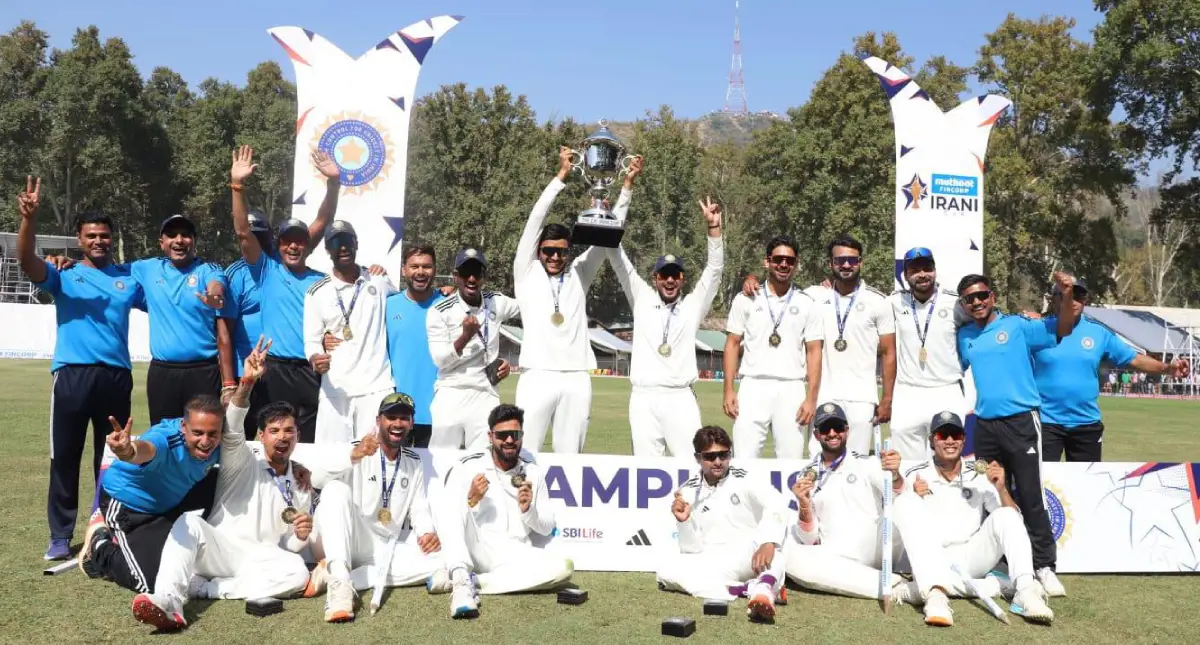
The roar from the stands at Srinagar’s Sher-e-Kashmir Cricket Stadium last week marked a striking change from the ground’s troubled cricketing history. As the first-ever Irani Cup in Kashmir got underway, nearly 5,000 spectators cheered, whistled and waved bugles as J&K took on the rest of India. The scenes contrasted sharply with October 13, 1983, when 21 men stormed the same ground during the India-West Indies match and damaged the pitch. Twelve were subsequently identified, including separatist leaders Shakeel Bakshi and Shabir Ahmad Shah, but were acquitted in 2011 for lack of evidence.
This time, the Cricket Association restricted attendance to 5,000, screened invitees and issued limited passes amid tight security. The match has also revived political and sporting ambitions. NC leader Nasir Aslam Wani said J&K wants to upgrade district and tehsil infrastructure, develop local talent and eventually attract IPL matches.
BCCI chairman Mithun Manhas said the Board would support JKCA in bringing larger and international matches to Kashmir.
Jammu and Kashmir recorded 1,211 food-adulteration cases in 2025-26, including 485 in Kashmir Division.
LADAKH
India has formally added standard names for 28 geographical features in Ladakh to official Survey of India maps, a move that reinforces New Delhi’s cartographic and territorial position amid continuing tensions with China along the Line of Actual Control.
The features include peaks, mountains, passes, glaciers, valleys, rivers and lakes. Among the names are Zorawar Peak, Kanishka Peak, Martand Giri, Rinchen Zangpo, Chapchingal Pass, Skamri Glacier, Yangpa River and Guru Rinpoche Lake.
The Government said the names were finalised in consultation with the Ladakh administration to ensure their consistent use in official records and improve public recognition. The exercise comes after China’s repeated attempts to assign its own names to disputed border locations. India has rejected such renaming, maintaining that nomenclature cannot alter territorial status.
DODA
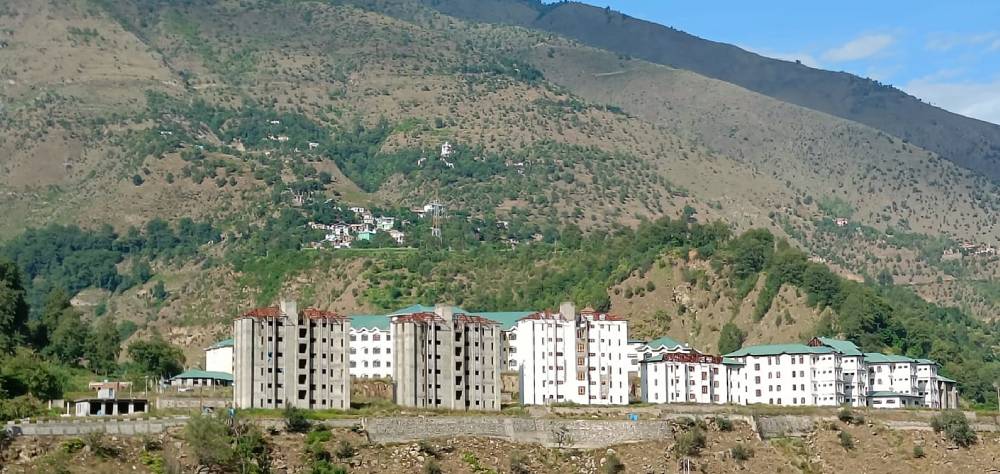
The Government Medical College (GMC), Doda has ordered an inquiry after students alleged that they were denied entry to the labour room for wearing burqas, triggering a protest by interns and other students. The complaint names HoD Gynaecology Dr Madhu Chib, who allegedly asked burqa-clad students to leave the labour room on two consecutive days and wear aprons instead.
Students alleged the practice had become routine and demanded an apology, with some claiming they were also denied access to the professor’s room. The Medical Superintendent has constituted an eight-member panel headed by HoD Physiology Dr Garima Charak and asked it to submit its report within two days.
The students protested on September 30, boycotting work and assembling outside the hospital. A senior police officer held talks with them, while Doda MLA Mehraj Malik said he had taken up the matter with Health Minister Sakina Itoo.
SRINAGAR
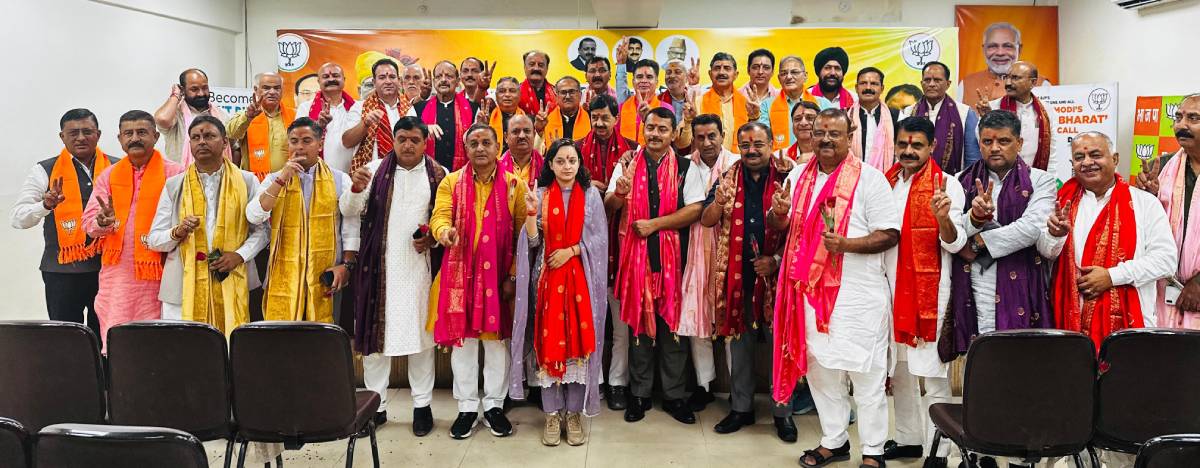
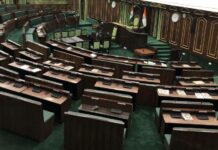
A BJP-led protest in the Assembly forced Chief Minister Omar Abdullah to withdraw Bills proposing higher salaries and allowances for the Chief Minister, ministers and legislators, in a curious turn after a House committee headed by BJP leader Surjit Singh Salathia had recommended the revisions.
The committee, constituted by Speaker Abdul Rahim Rather in 2024, had proposed doubling the monthly emoluments of MLAs from Rs 1.5 lakh to Rs 3 lakh, besides substantial increases for ministers and former legislators. However, the Bills placed before the House proposed a more modest package: MLA salary and allowances of Rs 1.65 lakh against Rs 1.35 lakh, the Chief Minister’s salary of Rs 95,000 against Rs 70,000, and ministers’ salaries of Rs 85,000 against Rs 65,000. Former legislators’ pensions were proposed to rise from Rs 50,000 to Rs 60,000.
As BJP MLAs led by senior leader Sham Lal Sharma opposed the Bills, arguing that the issue had brought disrepute to the House, Omar withdrew them, saying he would not allow the legislation without unanimous support. He also questioned the BJP’s opposition, pointing out that its members would receive the proposed benefits if the Bills were passed.
SRINAGAR

Jammu and Kashmir Assembly Speaker Abdul Rahim Rather has directed the government to finalise and notify the long-pending new Car Policy within 15 days, saying the issue cannot be allowed to remain pending amid concerns over the use of public resources.
The direction came during the just concluded Autumn Session after Transport Minister Satish Sharma presented a status report on the proposed “One Officer One Car Policy”. Sharma said the Transport Department would undertake inter-departmental consultations and complete the requisite formalities.
Rather said complaints about misuse of public resources underscored the need for clear rules governing entitlement and use of government vehicles. He said use of multiple vehicles beyond prescribed entitlement could be termed misuse, while clarifying that the issue was not against officers legitimately entitled to official vehicles and facilities.
He observed that the proposal had moved between departments for nearly five years despite the government accepting in principle the need for a new policy, and called for its expeditious finalisation.
JAMMU KASHMIR
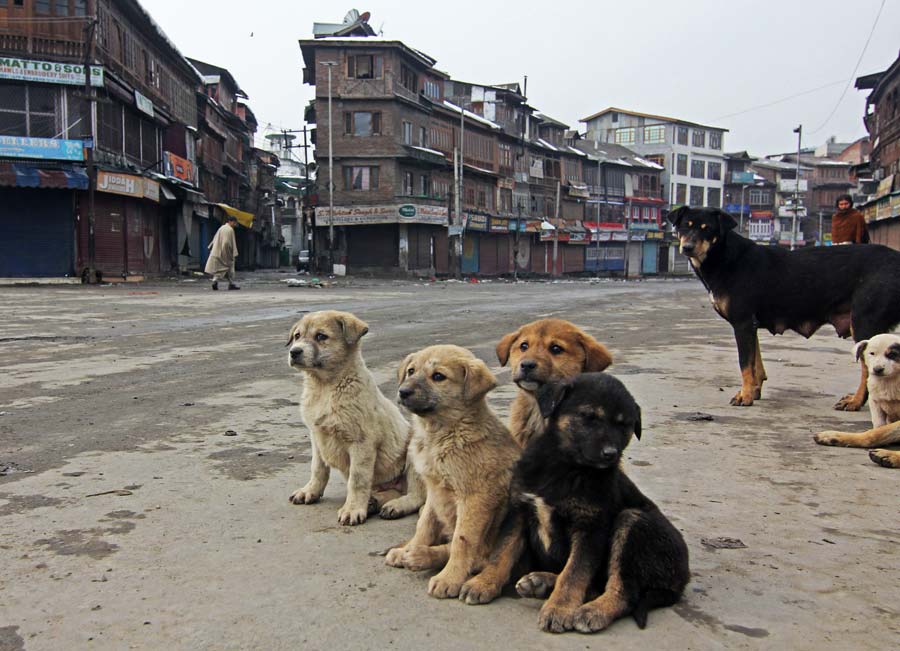
Jammu and Kashmir has sterilised 68,346 stray dogs and vaccinated 80,725 under its Animal Birth Control programme, even as the administration plans 20 additional centres across the Union Territory to expand the effort beyond Jammu and Srinagar.
The UT has an estimated 1,52,775 stray dogs, with five ABC centres currently functional and land identified in 13 districts for new facilities. The figures form part of a compliance report prepared following Supreme Court directions.
Jammu remains the principal centre, with 34,646 surgeries carried out by the NGO engaged by the administration since April 2021. The department puts Jammu’s sterilisation rate at about 80 per cent. Srinagar has recorded 15,266 surgeries and 15,725 vaccinations.
GUWAHATI
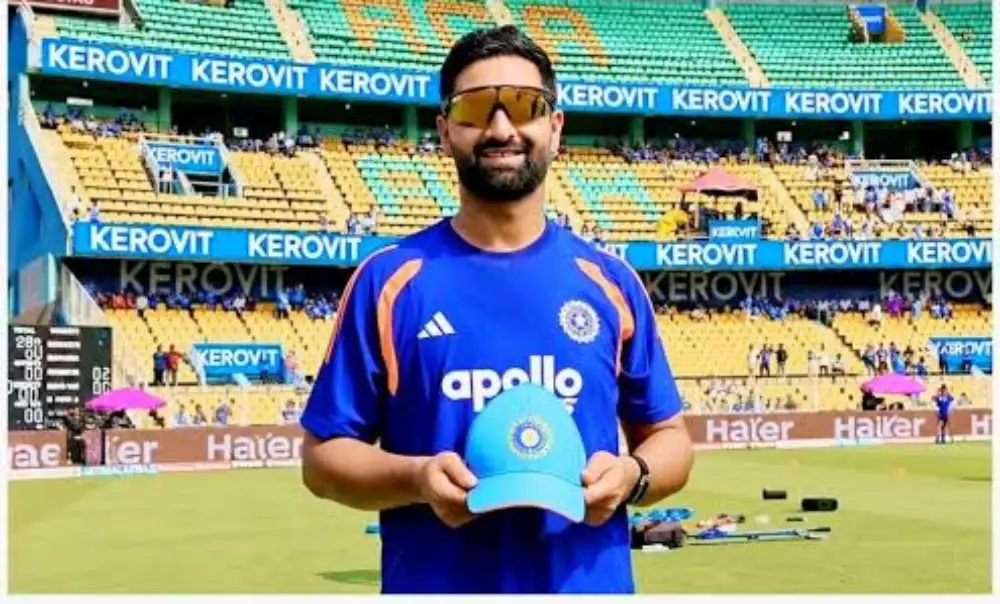
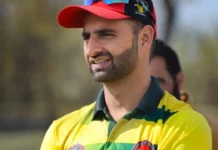
Jammu and Kashmir pacer Auqib Nabi has made his international debut for India in the second ODI against the West Indies in Guwahati, becoming only the third player from the region to represent India in ODIs after Parvez Rasool and Umran Malik.
Known as the Baramulla Express, Nabi was included in the playing XI in place of Nitish Reddy after India opted to bowl first. His India call-up followed consistent domestic performances and a stint with Surrey in county cricket.
The debut marks a major milestone for the 24-year-old pacer, who has risen through the ranks in recent years. His selection also means Nabi will miss Jammu and Kashmir’s Irani Cup clash against Rest of India in Srinagar.
KATHUA
Twenty-eight children, including 18 girls, were rescued from an industrial unit at SICOP, Hatli Morh in Kathua district during a joint inspection following complaints of alleged child labour, officials said. The rescued children were taken to Government Hospital for medical examination and subsequently produced before the Child Welfare Committee, Kathua, for further proceedings under the Juvenile Justice (Care and Protection of Children) Act and relevant labour laws.
The district administration said it was committed to eliminating child labour while supporting industrial development, stressing that all establishments must comply with statutory requirements. An official from District Child Protection Officer said violations of child-labour laws would be dealt with strictly and that the administration would take measures to ensure the protection, rehabilitation and welfare of rescued children.