SRINAGAR: Jammu and Kashmir is set to implement a wide-ranging healthcare reform agenda centred on technology-driven services, medical education expansion, and specialised care facilities, following a high-level review chaired by Chief Secretary Atal Dulloo.
The meeting assessed ongoing reforms in the Health and Medical Education Department and aligned key initiatives with recommendations of NITI Aayog, focusing on strengthening healthcare infrastructure, service delivery, and institutional capacity across the Union Territory.
Among the key decisions, the administration is moving ahead with the rollout of Tele-ICU services through a hub-and-spoke model anchored in Government Medical Colleges, with the tendering process already initiated. Tele-Radiology services are also being planned to improve diagnostic access and specialist consultations across health facilities.
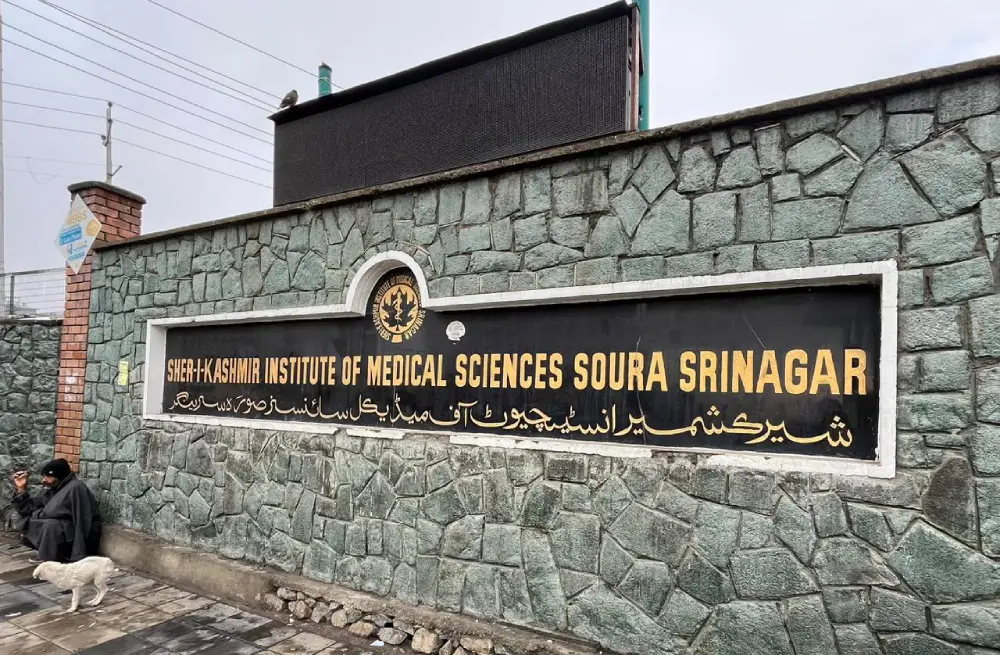
The reform roadmap includes expansion of MBBS and postgraduate medical seats, along with enhanced collaboration between AIIMS, SKIMS, and Government Medical Colleges through faculty exchange programmes, joint research, and virtual medical boards.
A comprehensive cancer care strategy is also being developed in coordination with the Indian Council of Medical Research (ICMR), including a population-based cancer registry and establishment of molecular oncology centres in medical colleges.
The meeting further reviewed the “Circle of Care” drug de-addiction and mental health programme, under which over 900 counsellors have been trained and a UT-wide survey on substance use disorders is planned.
Advanced tertiary care expansion, including liver transplant and hepatology services in collaboration with the Institute of Liver and Biliary Sciences, was also discussed, alongside upgrades in dental, preventive, and mobile healthcare services.
Officials said three thematic working groups have been formed to strengthen service delivery, medical education, and emergency response systems, while digital platforms such as the Drug and Vaccine Distribution Management System are being expanded to streamline procurement and supply chains.
The administration has also prioritised food safety enforcement through enhanced laboratory capacity, compliance mechanisms, and awareness campaigns ahead of the tourism season.
Reiterating the reform agenda, officials said immediate focus will remain on operationalising Tele-ICU and Tele-Radiology systems, expanding specialised care, and improving public health outcomes through coordinated institutional and technological interventions.