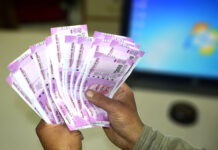
SRINAGAR: Jammu and Kashmir has recorded a significant increase in Central health grants for Scheduled Castes and Scheduled Tribes under the National Health Mission over the past three financial years, with allocations rising from Rs 56.14 crore in 2022-23 to nearly Rs 150.04 crore in 2024-25, according to official data tabled in the Lok Sabha.
The Union Health Ministry informed Parliament that Jammu and Kashmir received Rs 41.69 crore for SC communities and Rs 14.45 crore for ST communities in 2022-23. The allocations rose sharply in 2023-24 to Rs 114.88 crore for SCs and Rs 47.78 crore for STs. In the current financial year 2024-25, the Union Territory has been allocated Rs 100.96 crore for SCs and Rs 49.08 crore for STs under the mission.
The Ministry said the National Health Mission continues to fund Ayushman Arogya Mandirs, ambulance services, mobile medical units, ASHA support, reproductive and child health initiatives, TB Mukt Bharat, Anaemia Mukt Bharat and free diagnostics and drug programmes across all states and Union Territories.
Special programmes for tribal populations include the National Sickle Cell Anaemia Elimination Mission, the Pradhan Mantri Janjati Adivasi Nyaya Maha Abhiyan and Dharti Aaba Janjatiya Gram Utkarsh Abhiyan.
On Ayushman Bharat, the Ministry reported that as of November 15, 2025, 1.98 crore Ayushman Cards had been issued to SC beneficiaries and 0.97 crore to ST beneficiaries nationwide. The scheme has been expanded to include ASHA and Anganwadi workers, senior citizens above 70 years irrespective of income, and families belonging to Particularly Vulnerable Tribal Groups.
The Centre also highlighted expansion in medical education infrastructure, noting that 157 new medical colleges have been approved nationwide, including establishments in Baramulla, Kupwara and Rajouri districts of Jammu and Kashmir.
Budget allocations for schemes targeting SC and ST communities have been maintained under the Development Action Plans for Scheduled Castes and Scheduled Tribes, with expenditure under these components regularly monitored by the Health Ministry to assess outcomes and improve access in remote and underserved regions.