SRINAGAR: Government schoolteachers in Jammu and Kashmir are reportedly facing financial strain in implementing the PM POSHAN scheme, with alleged payment delays forcing some to obtain food supplies on credit or spend their own money to ensure uninterrupted meals for students.
Figures cited in a reply tabled in the Lok Sabha during its August session show that 17,954 schools in Jammu and Kashmir are covered under the scheme, while meals are served in 775 schools in Ladakh.
The data also show that Jammu and Kashmir received 21,924.79 metric tonnes (MT) of foodgrains under PM POSHAN in 2025–26, compared with 22,476.70 MT allocated in 2024–25.
The reported financial difficulties have raised concerns about the arrangements for funding the programme and the additional administrative responsibilities shouldered by teachers alongside their regular academic duties.
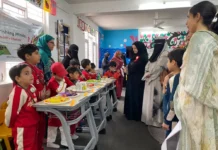
PM POSHAN, formerly known as the Mid-Day Meal Scheme, is a centrally sponsored programme that provides hot cooked meals to eligible children in government and government-aided schools. It aims to improve children’s nutritional status and support school attendance.
Teachers involved in implementing the scheme coordinate food supplies, liaise with local vendors, maintain accounts and follow up on pending payments. These duties are carried out alongside classroom teaching, school record-keeping and other departmental work.
When payments remain pending for extended periods, teachers may have to rely on credit from suppliers or meet expenses from their personal funds to prevent interruptions in meal preparation and distribution. Such arrangements can add to their financial burden.
One proposal is to consider assigning the operational management of the scheme to registered non-governmental organisations or other authorised agencies in areas where outsourcing is feasible. These agencies could handle food procurement, supplies and record-keeping under the supervision of the Education Department.
Any such arrangement would require transparent procedures and regular monitoring to ensure food quality, nutritional standards, hygiene and timely service. A pilot project in selected zones could help assess its feasibility before any wider rollout.
In areas where outsourcing is not practical, the Education Department could consider advance fund releases, fixed timelines for clearing suppliers’ bills and a payment mechanism that reduces the need for teachers to use personal savings to sustain the programme.
Timely funding, dependable supplies and clear accountability are essential to maintaining uninterrupted school meals while enabling teachers to concentrate on their academic responsibilities.