SRINAGAR: Contractual lecturers working across colleges and universities in Jammu and Kashmir (J&K) are facing financial hardship due to significantly lower salaries compared to their counterparts in Ladakh and other states. This growing disparity has left many educators frustrated, calling for urgent reforms to bring parity in compensation and working conditions.
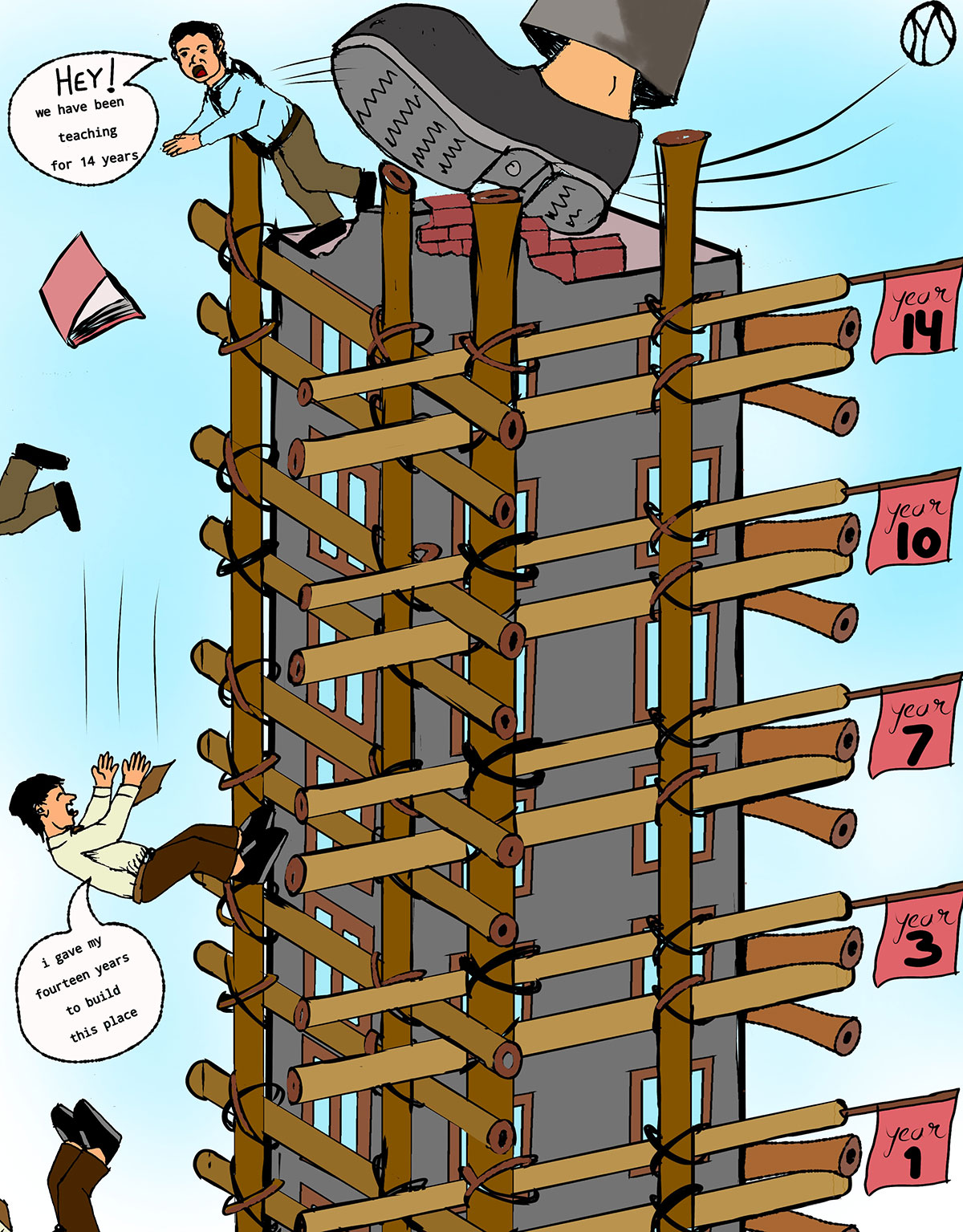
While Ladakh recently raised salaries for contractual lecturers from Rs 40,000 to Rs 57,000 per month, Jammu Kashmir still pays a meagre Rs 28,000 for those holding a PhD or NET qualification. For non-NET qualified lecturers, the situation is even more dismal, with salaries dropping to a paltry Rs 18,000. To make matters worse, these contracts often last only 8–9 months, leaving educators without a stable income during the remaining months of the year.
The situation is equally concerning in universities, where contractual assistant professors are receiving just Rs 30,000 per month—a clear violation of University Grants Commission (UGC) guidelines. The UGC mandates better pay scales for academic professionals, yet the current figures in Jammu and Kashmir reflect a disregard for these standards.
Educators in Jammu and Kashmir feel demoralised, not only by the significant pay gap but also by the titles they are given. Often labelled as “need-based” or “seasonal” employees, contractual lecturers believe these titles demean their roles and fail to recognise their critical contributions as nation-builders. “A title won’t change the fact that we are teaching full-time, shaping future generations. What we need is respect and fair compensation, not seasonal contracts and unjustified pay cuts,” said a lecturer from Srinagar.
The demand for fair pay has only intensified as other regions, such as Ladakh, continue to offer better terms. The financial strain is evident, especially for non-NET lecturers who struggle with living expenses, given the rising cost of living in Jammu and Kashmir. The contrast with Ladakh’s model—where newly recruited Finance Accounts Assistants (FAA) are earning Rs 49,000 per month compared to the Rs 6,000 stipend given to Jammu and Kashmir’s FAAs—further exacerbates the sense of inequality.
Educational authorities in Jammu and Kashmir have been criticised for ignoring the value of educators, particularly those working under precarious conditions. The lack of a clear “hire-and-fire” policy and the practice of engaging lecturers only when needed has created an atmosphere of insecurity. Many are now advocating for long-term contracts, adequate pay, and a more dignified approach to employment.
“Teachers are nation builders. Yet, we are paid far less than we deserve. We are simply asking for the same recognition that Ladakh has given its educators,” said another contractual lecturer.
As the academic session progresses, the outcry for pay reforms and fair treatment continues to grow, with many hoping that the government will soon address the grievances of Jammu and Kashmir’s educators and put an end to this systemic inequality.