by Faiqa Masoodi and Syed Shadab Ali Gillani
SRINAGAR: The Armory Square Prize for South Asian Literature in Translation has been awarded this year to To Each Their Own Hell, a haunting and existential Kashmiri novel written by the late Akhtar Mohiuddin and translated by Mehdi Khawaja. The announcement was made during a special event hosted in collaboration with Himal Southasian’s annual Fiction Fest, where the winning entry was selected from a diverse and formidable shortlist of translations.
Originally published in 1975, Akhtar Mohiuddin’s novel is a bold and experimental meditation on love, despair, and human isolation. Featuring characters named X, Sheen, Daisy, and Nancy, the narrative ventures into the unsettling territory of existential crisis, drawing comparisons to Sartre’s No Exit and Flaubert’s Madame Bovary. The translation by Mehdi Khawaja has been praised for its urgency, atmosphere, and literary control. Juror Daisy Rockwell described the book as “taut, compelling” and said it “immediately grabs the reader’s attention and won’t let go.”
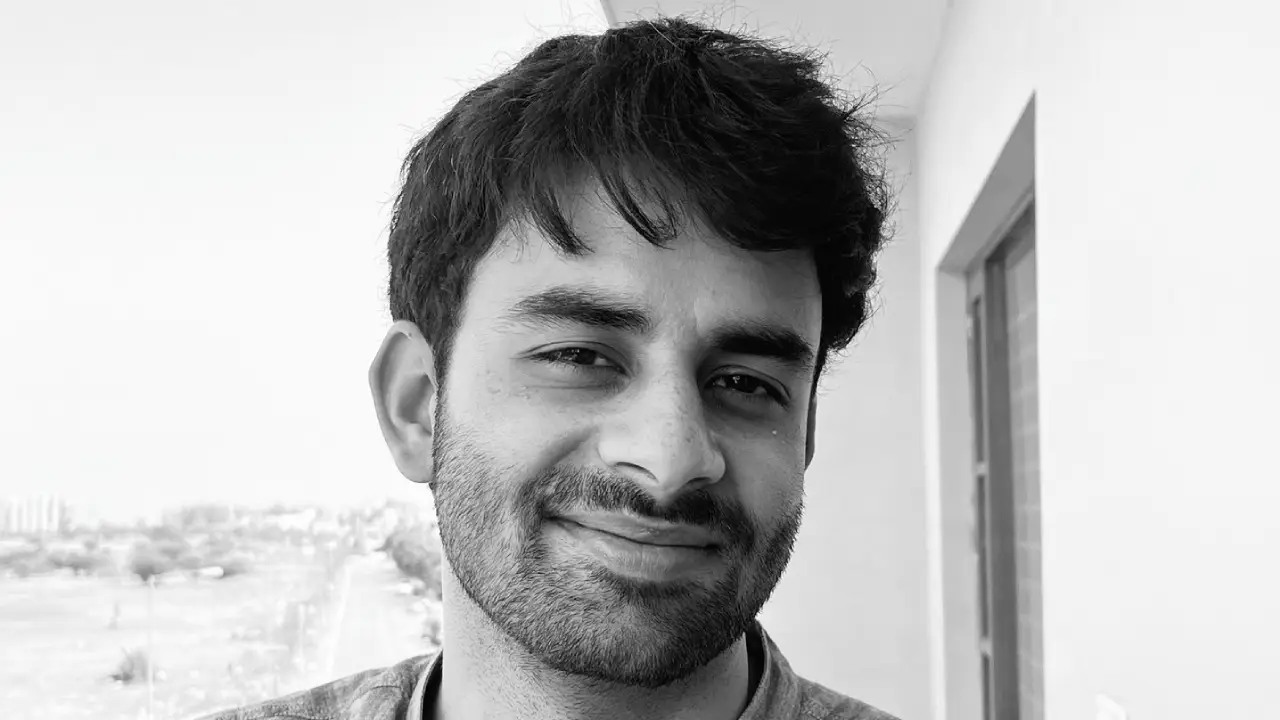
Mehdi Khawaja, the translator, is a Kashmiri freelance journalist and editor who has written widely for Indian and international publications. In addition to his writing career, he has taught courses on Kashmiri literature and language at Ashoka University and is also a traditional craftsman. His background in both language and lived Kashmiri experience has given his translation an authenticity and depth that the jury found striking.
Now in its third edition since launching in July 2022, the Armory Square Prize was created to highlight and elevate South Asian languages and literature that remain deeply underrepresented in the global publishing industry. Despite South Asian languages being spoken by nearly one-fifth of the world’s population, fewer than one per cent of translated books published in the United States in the last decade have originated from the region. The prize, sponsored by Armory Square Ventures, seeks to change that narrative and open more space for these voices in the Anglophone literary world.
This year’s shortlist reflected the rich linguistic and cultural diversity of the region, with entries in Hindi, Sinhala, Tamil, and Kashmiri. The finalists offered stories set not only in South Asia but also in parts of Western Europe, exploring themes of migration, memory, gender, and personal transformation. The jury described the finalists’ work as global in vision, stylistically varied, and resonant with conflicting political and personal realities. Among these, the Tamil novel Saigon Puducherry by Nagarathinam Krishna, translated by Subhashree Beeman, received a Special Jury Mention for its thoughtful narrative and refined translation.
Besides, Khawaja’s winning translation, other shortlisted works included Badalta Hua Desh by Manoj Kumar Pandey translated from Hindi by Punarvasu Joshi, Grandmothers, Granddaughters and Other Women by Kumudu Kumarasinghe translated from Sinhala by Ciara Mendis, and Moumin (or The Believer and Other Stories) by Shobasakthi translated from Tamil by Sumathy Sivamohan. These selections demonstrate the jury’s commitment to recognising a wide range of voices and forms, from short story collections to full-length novels.
The jury was chaired by Jason Grunebaum and included notable literary translators and scholars such as Deena Chalabi, VV Ganeshananthan, Daisy Rockwell, Arunava Sinha, Padma Viswanathan, and Pia Sawhney. Their deliberations were guided by the quality of the translation, the literary significance of the original work, and the need to give visibility to under-translated languages.
Excerpts from all shortlisted works will be featured on the digital platform Words Without Borders, a prominent journal dedicated to international literature in translation. To Each Their Own Hell will be published in full by Open Letter Books in 2027. Open Letter, based at the University of Rochester, is one of the few presses in the United States committed solely to publishing literature in translation and has long served as a bridge between global storytellers and English-speaking readers.
Last year’s winning translation, Fortress of the Forgotten Ones, written by Pakistani writer Fahmida Riaz and translated from Urdu by Sana Chaudhry, is scheduled for publication by Open Letter Books later this year.
The Armory Square Prize continues to position itself as a pioneering force in global translation, amplifying the work of translators and original authors from South Asia whose literary traditions are both vast and vital. For this year, it is the compelling voice of Akhtar Mohiuddin, brought back into circulation through Mehdi Khawaja’s careful translation, that has captured the imagination of the jury, and perhaps, soon, a broader international audience.