SRINAGAR: The recent detention of a 22-year-old man near Uri after he allegedly crossed the Line of Control (LoC) to meet a woman he had befriended online has once again drawn attention to the complex web of human relationships that continue to exist across Kashmir’s divided frontier.
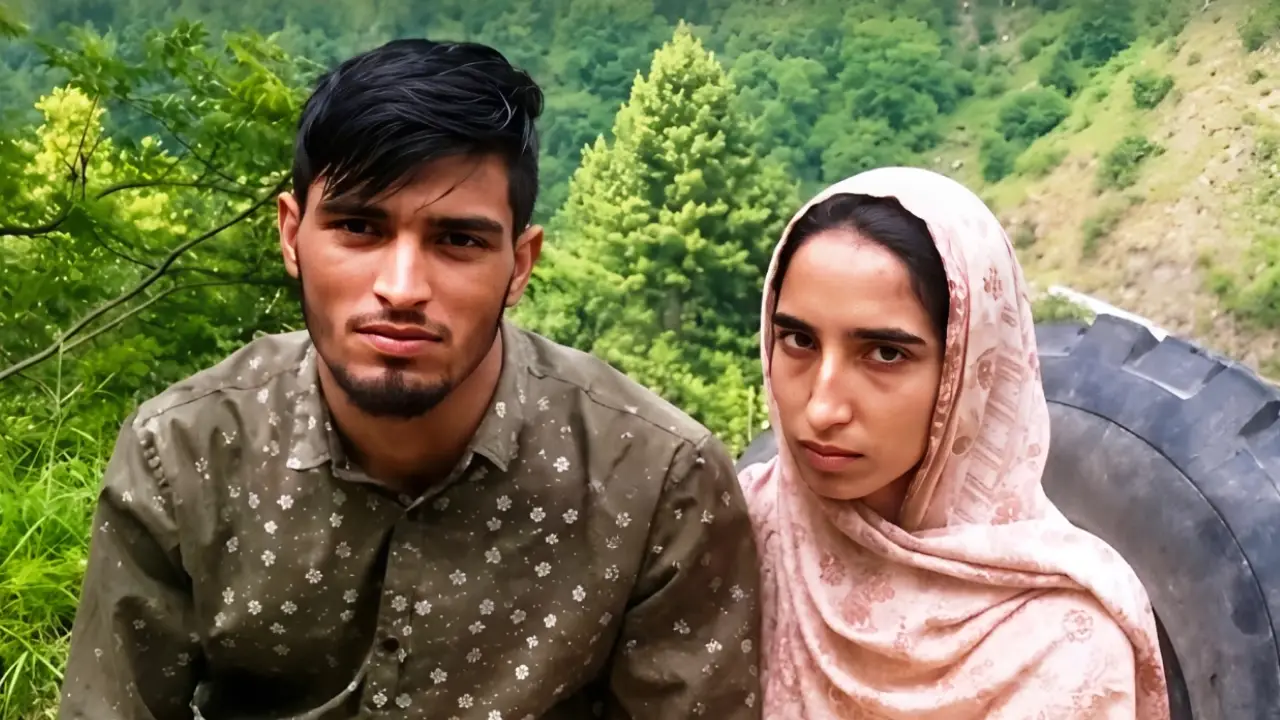
The youth, identified as Zeeshan Ahmed Mir, a resident of Painkadi in Muzaffarabad, was reportedly detained by Army personnel after attempting to enter the Indian side through the Silikote area of the Uri sector in north Kashmir.
During preliminary questioning, officials said Zeeshan claimed he had crossed the LoC to meet a female friend with whom he had developed a relationship through social media interactions. Security agencies are currently investigating the circumstances surrounding the crossing and verifying the digital communication between the two. The woman is also being questioned as part of the investigation.
While authorities are treating the incident as a security matter, the episode has also highlighted the enduring familial, emotional and social ties that continue to bind communities across the LoC despite decades of conflict, separation and heavily fortified borders.
Stretching nearly 740 kilometres across Jammu and Kashmir, the LoC cuts through mountains, forests, rivers and villages, dividing communities that once shared close social and familial bonds. Border areas such as Uri, Karnah, Keran, Tangdhar, Poonch and Rajouri historically witnessed regular interaction among families, relatives and communities before the conflict fortified the frontier.
The tightening of border controls over the years left many families separated, with communication and travel becoming increasingly dependent on permits and diplomatic processes. Yet, despite the restrictions, kinship networks, marriages and shared ancestry have continued to sustain relationships across the divide.
Residents in several border districts recall instances where families living only a few kilometres apart geographically had to travel hundreds, and at times thousands, of miles through official routes to attend weddings or reunite with relatives. In earlier decades, communication often took place through letters or by shouting messages across rivers separating villages on either side of the LoC.
With the spread of mobile phones, internet access and social media platforms, communication across the divide has evolved significantly. Officials believe such online interaction played a role in the Uri incident, with Zeeshan reportedly remaining in contact with the woman through digital platforms before attempting the crossing.
Security agencies, however, remain cautious. The LoC continues to be one of the most heavily guarded borders in the region, and any unauthorised movement across it triggers a detailed investigation. Officials said all aspects of the case are being examined.
The incident comes days after security forces reportedly intercepted three men from Sopore who were allegedly attempting to cross the LoC, further sharpening focus on concerns surrounding cross-border movement in Kashmir.
For many residents of Kashmir’s frontier districts, however, the Uri episode represents more than a case of illegal crossing. It reflects the continuing reality of divided families and relationships that have survived despite decades of political conflict and physical separation.
Even as the border remains tightly guarded, advances in communication technology continue to make it easier for people on both sides of the LoC to remain connected, preserving social bonds that long predate the divide.