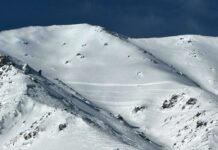
SRINAGAR: Kashmir is expected to experience harsh conditions this winter, including heavy precipitation and prolonged cold spells, according to the India Meteorological Department (IMD), which has forecast a La Niña event.
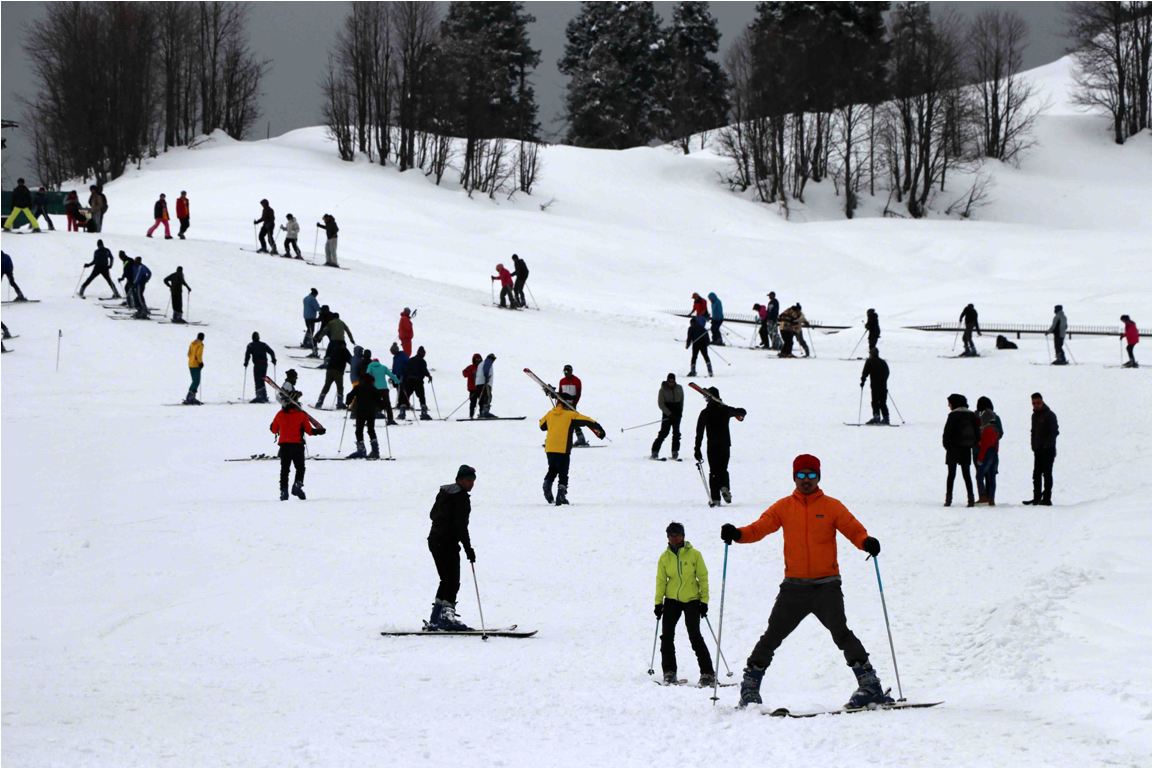
The IMD reports that Jammu and Kashmir is experiencing foggy mornings, with a gradual decline in both maximum and minimum temperatures.
Dr Mukhtar, a senior scientist at the IMD stationed at Srinagar weather station confirmed the onset of the La Niña weather effect, predicting colder conditions and above-normal precipitation for the Kashmir region this year.
He said that the impact of La Niña is expected to become apparent from mid-December, bringing heavy precipitation and intensified cold spells.
La Niña is a natural climate phenomenon occurring in the Pacific Ocean. It is characterised by cooler-than-average sea surface temperatures in the central and eastern equatorial Pacific. This cooling disrupts atmospheric circulation patterns, significantly influencing weather systems globally.
Typically, La Niña leads to wetter-than-usual conditions in Southeast Asia and parts of Australia, while causing colder winters and increased precipitation in regions such as South Asia, including Kashmir.
The IMD said that La Niña is currently forming over the Pacific Ocean, with its effects being felt worldwide. “While the current conditions range from neutral to weak La Niña, the phenomenon is expected to strengthen as winter progresses. This intensification is likely to amplify the impact of cold and precipitation across Kashmir and parts of northern India,” the department said.
Discussing the changing weather pattern, Dr Mukhtar said, “The La Niña effect shifts atmospheric dynamics in ways that bring abnormal precipitation and colder temperatures. This may result in a harsher winter for Kashmir, with more frequent snowfalls and prolonged cold spells.”
He noted that past instances of La Niña, particularly in 2018-19 and 2021-22, brought significant snowfall to the region. “The likelihood of heavy snow spells and rainfall is high this season, potentially resulting in a much colder winter compared to the last few years,” he added.
The Kashmir Valley, already accustomed to freezing winters, remains highly vulnerable to the effects of La Niña.
Dr Mukhtar emphasised the importance of learning from previous winters, citing the precipitation deficits observed during strong El Niño years and the subsequent shifts in weather patterns. “Unlike last year, which was dominated by El Niño, this year’s La Niña effect is likely to bring a more traditional and harsher Kashmiri winter,” he said. (KNO)