SRINAGAR: Highlighting the devastating impact of the April 22 Pahalgam terror attack on the economy of Jammu and Kashmir, Chief Minister Omar Abdullah on Wednesday sought urgent support from the Centre, warning that the erstwhile state was facing a severe fiscal crisis as its public revenues had “collapsed” in the aftermath of the tragedy.
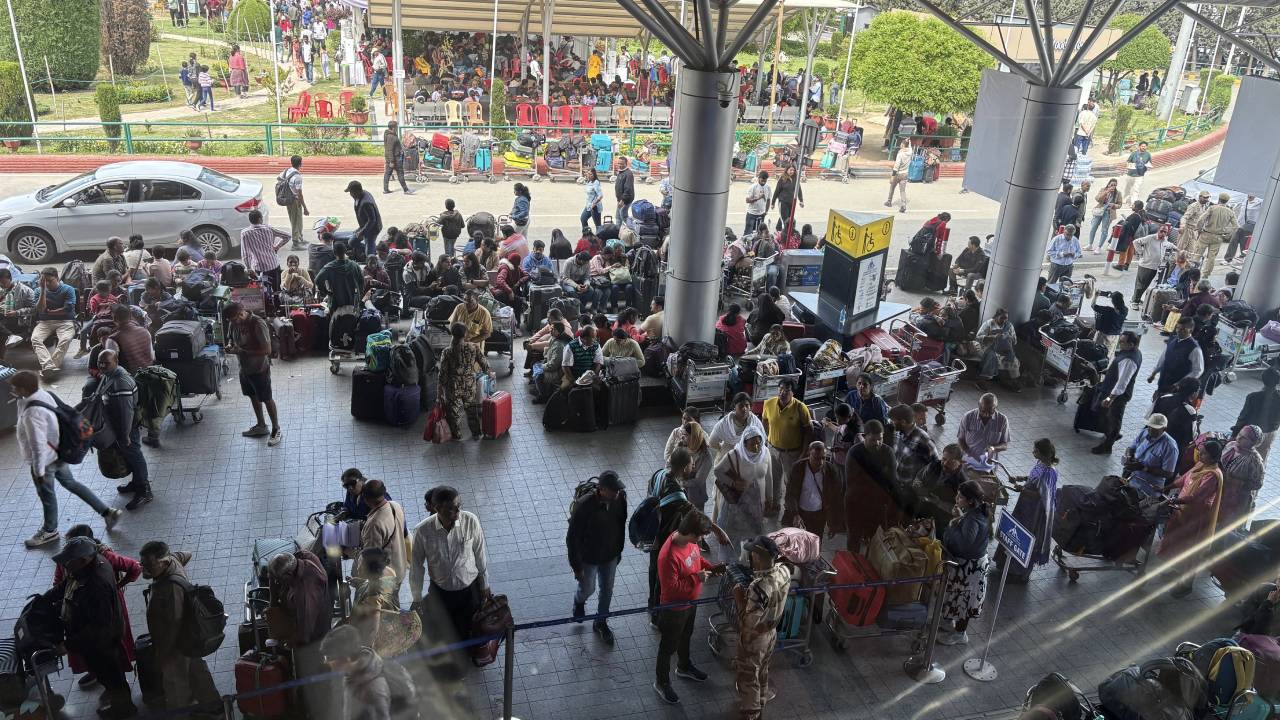
Speaking at the 56th GST Council meeting in Delhi, Abdullah, who also holds the finance portfolio, said that major sectors of the economy—including tourism, handicrafts, agriculture, horticulture, transport, construction and automobiles—had come to a standstill after the attack in which 26 people were killed. He cautioned that proposed GST reforms could further reduce Jammu and Kashmir’s revenues by 10 to 12 per cent, making it critical for the Centre to step in with compensatory mechanisms.
“The major sectors of the economy, like tourism, transport, construction, and automobiles, have come to a standstill post April 2025. The proposed reform can further reduce our GST revenues by 10–12%. Hence, as the Finance Minister of Jammu and Kashmir, I am of the opinion that establishing suitable mechanisms and safeguards for the fiscal stability of States and Union Territories is critical,” Abdullah said.
The Chief Minister underlined how the local economy, which had begun to regain vigour after years of disruption, was “shocked” by the Pahalgam incident. The aftermath, he said, has brought widespread job losses, a decline in public revenues, and a flight of non-local workers, slowing infrastructure projects and weakening confidence in key industries.
Fully endorsing the proposed two-tier GST structure of 5 and 18 per cent, Abdullah nevertheless pressed for systemic safeguards. “My main concern is how we ensure that this rate rationalisation eases the burden on the common man and makes these specific goods and services more affordable. There should not be any scope for profiteering from this rate rationalisation,” he told the Council.
He added that GST reforms must consider the unique challenges faced by individual states and regions like Jammu and Kashmir. He welcomed the recommendations of the Group of Ministers to reduce classification disputes, inverted duty structures and compliance complexity, noting that these would enhance clarity, reduce litigation, and improve compliance.
The Chief Minister also touched upon national economic challenges, warning that India’s growth path was being tested by geopolitical tensions and “whimsical trade policies of the colonial era” that could restrict India’s access to about 20 per cent of the global market, severely affecting thousands of workers in agriculture, handicrafts, marine products, gems and jewellery.
Calling GST the most ambitious federal tax reform since its introduction in 2017, Abdullah said the system had already achieved significant gains in efficiency, technology integration, and compliance. However, he stressed that for regions like Jammu and Kashmir, already battling the fallout of violence and instability, fiscal safeguards were essential to protect livelihoods and sustain economic revival.