Lumpy Skin Disease threatens the livestock sector that sustains Kashmir’s households. Farmers need compensation, vaccines, honest loss counts and insurance.
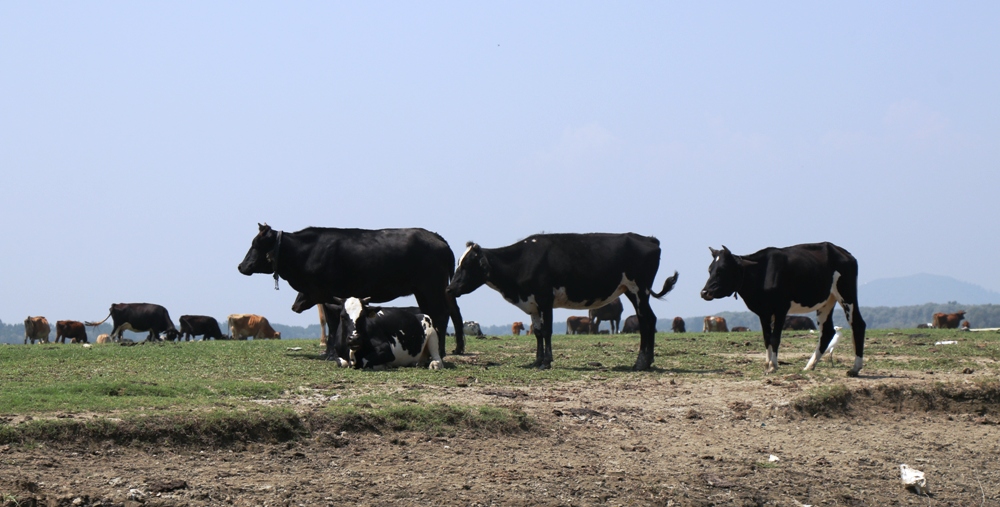
Jobs are scarce in Kashmir. Government vacancies are few. The private sector offers little. Into this gap, animal and sheep husbandry has quietly stepped. Dairy and sheep rearing keep thousands of households fed and solvent. Now Lumpy Skin Disease has returned. It has swept villages across north Kashmir. Cattle are dying. Farmers are watching their only safety net collapse. The government must respond with action, not just advisories.
Livestock is no side business here. It is the main livelihood for many rural families. Milk sales pay school fees, medical bills and household costs. Wool and mutton support shepherds across the valley. When disease strikes, the damage spreads fast. In one affected belt, more than 60 per cent of rearing families lost their primary income. Milk yields fell overnight. Supply chains snapped. A sector that absorbs the unemployed cannot be left to fend for itself.
Treating one infected animal usually costs Rs 7000. Few smallholders can bear that. Some farmers were forced to put down suffering animals. Others pooled money to hire earthmovers for burial. Compensation must be prompt and direct. It should cover dead animals, treatment costs and lost milk income. Community burial expenses deserve reimbursement too.
The Union Ministry told the Rajya Sabha that 18,61,098 cattle were vaccinated in Jammu and Kashmir between 2023 and June 2026. Yet the disease is back. Residents say follow-up monitoring and medical supplies never arrived. Veterinarians stress that ring vaccination must reach healthy herds around infected clusters. That demands stock, trained teams and speed. Vaccines must reach villages before the next cluster, not after it.
In early September, residents reported over 350 cattle infected and roughly 20 dead in one belt. Days later, official figures showed 59 affected cattle and zero deaths. Fresh deaths were reported again in November. Such gaps erode trust. A loss that is not counted cannot be compensated. Officials should survey every village, record every death and publish the figures openly. Real totals must guide real relief.
Relief after the fact is not enough. Mortality may be low, at 1 to 2 per cent, but experts note the economic impact is crushing. More than 90 per cent of the dairy population is exotic crossbred. These animals are valuable and vulnerable. A livestock insurance framework should cover mortality, milk loss and treatment. Premiums must be affordable. Claims should be settled quickly, backed by veterinary certification at the village level.
Kashmir has seen this before. In 2022, nearly 75000 cattle were infected, and 2698 died. Safe disposal needs designated land and official machinery, so no one dumps carcasses into canals. Compensation, vaccines, honest counts and insurance together make one promise. Those who sustain Kashmir’s households in lean times will not be abandoned in their hour of need.