SRINAGAR: As temperatures cool across the Arabian Peninsula, Saudi Arabia has announced a sweeping overhaul of Umrah regulations to better manage the unprecedented surge in international pilgrims. The Ministry of Hajj and Umrah has reduced the validity of Umrah visas from three months to one month from the date of issuance, according to Al Arabiya, citing official sources.
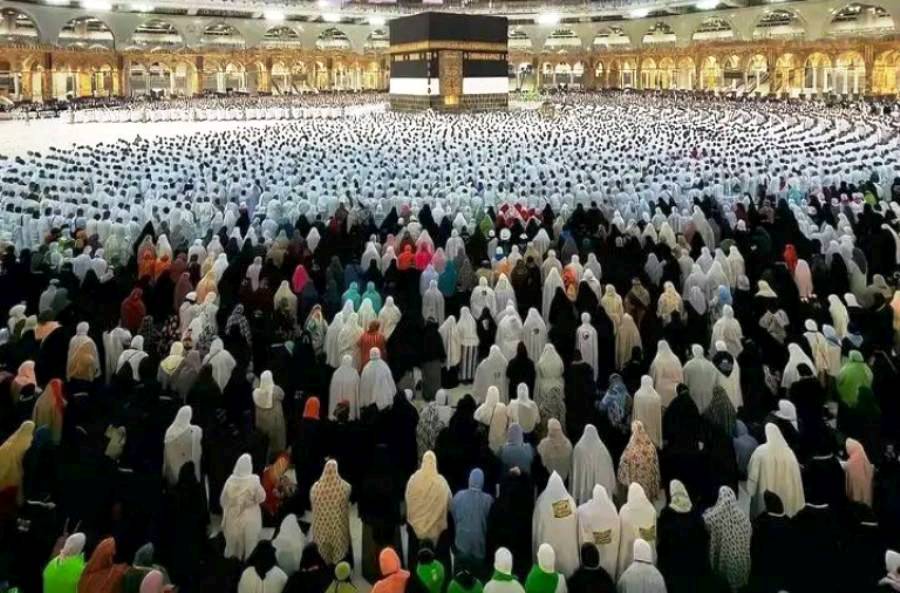
The new policy, set to take effect next week, will automatically cancel visas 30 days after issuance if the pilgrim has not entered the Kingdom within that time. However, the duration of stay after arrival remains unchanged at three months. Officials say the move aims to prevent overcrowding in Makkah and Medina, which experience heavy influxes of worshippers during the cooler months.
According to Saudi Gazette, over four million Umrah visas have been issued since the start of the new Umrah season in early June — a record high achieved in less than five months. The ministry’s adviser, Ahmed Bajafar, told Al Arabiya that the decision is part of the ministry’s preparations for an expected surge in Umrah pilgrims as winter approaches. “The goal is to avoid overcrowding, improve service quality, and ensure that every pilgrim has a smooth, safe, and spiritual journey,” he said.
In addition to the shortened visa validity, Saudi authorities have introduced mandatory pre-booking of accommodation and transportation through the official Nusuk and Masar platforms. The Ministry of Hajj and Umrah announced on its official X account that “housing documentation through Nusuk Masar is now required for all 1447H (2025) Umrah visa issuances.”
The directive, aimed at improving the pilgrim experience, requires all Umrah applicants to provide verified hotel bookings via the platform before their visa is issued. The ministry has also urged operators to ensure that all accommodations are licensed by the Ministry of Tourism and that verified contracts are uploaded through Nusuk Masar. Failure to comply, the ministry warned, could result in visa delays, rejections, or penalties.
The Nusuk Masar system serves as the central portal for managing all Umrah-related logistics, from booking authorised accommodation and transport to obtaining permits and itineraries. It supports multiple languages and is aligned with Saudi Arabia’s Vision 2030 objective of modernising the religious tourism sector through digital integration and higher service standards.
Authorities have also mandated that pilgrims use official taxis or the Haramain Express train service, which operates daily until 9 p.m., and warned against unauthorised transport services. At airports, Saudi border officials will verify accommodation and transport details, with missing or inconsistent information potentially resulting in denial of entry or fines.
Earlier in October, the Kingdom introduced stricter pre-booking requirements for accommodation and transportation, marking a shift toward a more structured and digitally monitored pilgrimage process. The Ministry of Hajj and Umrah confirmed that all visa holders — including those on tourist, family, business, or personal visit visas — are eligible to perform Umrah, provided they comply with the official platforms and documentation requirements.
Gulf News reported that the revised visa rules are intended to streamline management, reduce misuse, and ensure smoother entry processes amid soaring demand. “This policy supports the Kingdom’s long-term goal of transforming Umrah travel into a seamless experience built on digital transparency,” an official source said.
Saudi Arabia’s reforms come as the country witnesses record-breaking religious tourism numbers. According to recent data cited by Saudi Gazette, more than 11.7 million pilgrims performed Umrah in a single month earlier this year — the highest in recorded history.
While the new system imposes tighter compliance standards, officials argue it will ultimately enhance the spiritual journey for millions. “This is about balance — ensuring accessibility and safety, while preserving the sanctity and order of the pilgrimage,” said Bajafar.
As the Kingdom braces for another peak season, the streamlined Umrah regulations mark a significant step in Saudi Arabia’s broader efforts to modernise pilgrimage management while upholding its central place in global Islamic devotion.