SRINAGAR: A deadly outbreak of Marburg virus disease (MVD), commonly referred to as the “bleeding eye virus,” has claimed the lives of 15 people in Rwanda, sparking alarm in the region and travel advisories around. Health officials are racing to contain the highly contagious virus, which has a case fatality rate ranging from 24 per cent to 88 per cent depending on the outbreak and quality of care provided.
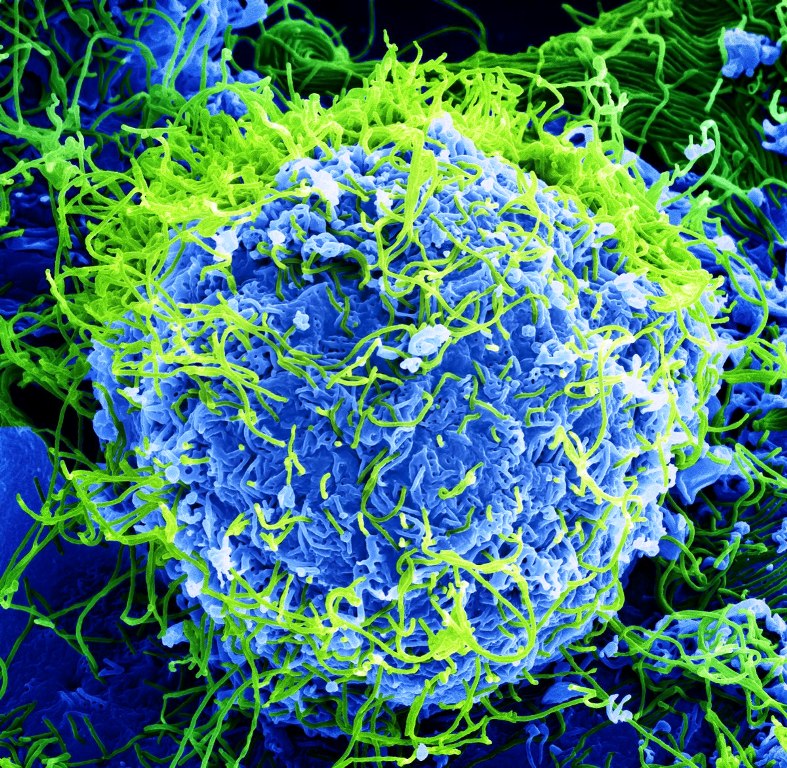
The World Health Organisation (WHO) identifies the Marburg virus, a relative of the Ebola virus, as one of the most lethal pathogens. Initial infection in humans often stems from prolonged exposure to caves or mines inhabited by Rousettus aegyptiacus fruit bats, the natural hosts of the virus. Once the virus enters human populations, it spreads rapidly through direct contact with infected bodily fluids, contaminated surfaces, or materials such as bedding and clothing.
Symptoms and Transmission
MVD begins abruptly with high fever, severe headache, and malaise, often accompanied by muscle pain. By the third day, patients typically experience severe diarrhoea, nausea, vomiting, and abdominal pain. In severe cases, patients develop haemorrhagic symptoms such as bleeding from the nose, gums, or intravenous puncture sites. The illness can rapidly progress, leading to organ failure and death within 8–9 days due to severe blood loss and shock.
Unlike many other infectious diseases, people with Marburg virus disease become infectious only after symptoms appear, which include a high fever and internal or external bleeding. However, even after recovery, the virus can persist in immune-privileged sites such as the eyes and testicles, presenting risks of transmission.
Challenges
Diagnosing MVD can be difficult as its early symptoms resemble those of malaria, typhoid fever, and other haemorrhagic fevers. Advanced diagnostic techniques such as RT-PCR tests and antigen-capture detection are needed to confirm cases.
Currently, there are no approved vaccines or antiviral treatments for MVD. Supportive care, including rehydration and symptomatic management, significantly improves survival chances. Experimental vaccines and drug therapies are under development, with some showing promise in clinical trials.
Previous Outbreaks
The first recorded outbreak of Marburg virus occurred in 1967 in Germany and Serbia, linked to laboratory work involving African green monkeys. Since then, outbreaks have been reported across Africa, including Angola, the Democratic Republic of the Congo, and most recently, Tanzania and Equatorial Guinea in 2023.
WHO stresses that community engagement is crucial to containing outbreaks. Measures include surveillance, isolation of patients, safe burial practices, and public education on reducing transmission risks. Healthcare workers face heightened risk, often contracting the virus while treating patients without adequate protective measures.
The Situation in Rwanda
In Rwanda, health authorities are implementing strict measures to prevent further spread. Hospitals are isolating suspected cases, and contact tracing efforts are underway. The government has urged the public to avoid close contact with symptomatic individuals and follow hygiene protocols.
WHO has deployed teams to assist Rwanda in managing the outbreak, offering logistical support and training healthcare workers in infection control. The global health body emphasises the importance of raising awareness about the virus and maintaining strict protocols to protect both communities and healthcare providers.
Outlook
The Marburg virus continues to pose a significant threat due to its high fatality rate and lack of effective treatments. Rwanda’s outbreak underscores the importance of early detection, public health education, and robust response strategies to minimise the loss of life. As researchers work to develop vaccines and treatments, global preparedness and community cooperation remain vital in combating this deadly virus.