Kashmir, shaken by the Delhi blast links, faces a renewed crisis as condemnation is unanimous, but shrinking spaces and revived stereotypes deepen its anxiety.
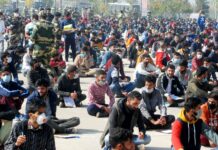
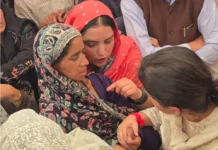
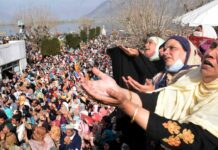
Kashmir is once again confronting a moment of deep anxiety, a moment it believed had finally receded after years in which a semblance of peace had begun to settle. The horrific blast in Delhi, and the subsequent investigation that has linked several accused to Kashmir, has reopened old wounds and revived a familiar dread. The tragedy itself was inhuman, dastardly and horrific, and it has been condemned by one and all across Jammu and Kashmir. No political party, no civil society group and no section of the public has shown anything but anguish and revulsion at the killing of innocent people. Yet the shadow that now hangs over Kashmir is heavier, more complex and far more painful than the immediate shock of the tragedy.
Part of that pain arises from the identities of some of the accused: well-placed professionals, people who had built careers, lives, and futures, many of whom had studied at better institutions. For a region already battling limited opportunities and long-standing prejudice, even a handful of individuals choosing the path of violence becomes a collective burden. It shrinks spaces for its people elsewhere in the country, makes workplaces more hostile, and revives old stereotypes that Kashmiris have struggled to outlive. This is the gravest crisis facing Kashmir today, the fear that the actions of a few will suffocate the progress, dignity and access that millions have sought to reclaim after decades of violence.
It has not helped that governance structures remain strained. The Jammu and Kashmir government enjoys a sizeable mandate, yet the administrative set-up leaves little room for elected representatives to exercise real influence. In this moment of crisis, the Chief Minister’s admission that he was not briefed by officials in either Jammu and Kashmir or Delhi underlines the wider problem of political disempowerment. Even as he has repeatedly warned against stereotyping Kashmiris, that vacuum in communication deepens a sense of isolation at a time when the region most needs reassurance.
What Kashmir requires now is not only justice for the victims of the Delhi blast but clarity, fairness and an unequivocal rejection of collective blame. The overwhelming condemnation of the attack from within the Valley shows that Kashmiris have no appetite left for violence; they are exhausted by the nearly 35 years in which it has devastated lives, institutions and futures. The real tragedy is that the tiny fraction still choosing violence continues to endanger the fragile peace that ordinary people have struggled to rebuild. Kashmir cannot afford to be dragged back into the past, and Delhi needs to help the Vale in ensuring that.