ashmir’s costly rail link must reduce dependence on fragile highways, prioritising sustainable use, ecological protection, and expanded passenger and freight services for resilient connectivity.
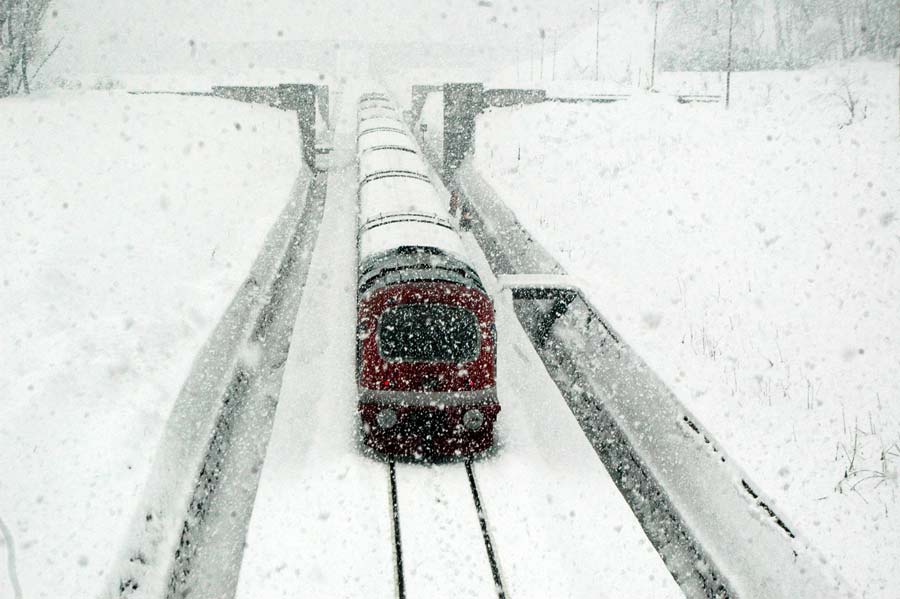
The rail connectivity between Srinagar and Jammu marks a structural shift in Jammu and Kashmir’s economic geography. Built at a cost exceeding Rs 43,000 crore, the Udhampur–Srinagar–Baramulla Rail Link is among India’s most ambitious infrastructure projects, cutting through the fragile Pir Panjal range with a combination of long tunnels and landmark structures such as the Chenab Bridge and the Anji Bridge. It is both a technical achievement and a high-value public investment whose returns will depend on how it is used.
For decades, Kashmir’s primary lifeline to the rest of the country has been the National Highway 44. Yet this highway, running through the same geologically unstable mountain system, remains highly vulnerable to disruption. Seasonal rainfall, landslides, soil erosion, and slope cutting frequently render stretches unusable, halting the movement of people and goods. The economic cost of these disruptions, delayed supplies, stranded passengers, and inflated transport prices has been repeatedly demonstrated.
In this context, the railway offers a fundamentally different model of connectivity. Unlike the highway, it is engineered for all-weather reliability, insulated to a large extent from surface instability through tunnels and controlled alignments. It is also inherently cleaner, reducing the carbon burden associated with heavy vehicular traffic in a sensitive mountain ecosystem. The policy implication is clear: rather than continuously expanding and intervening in already unstable slopes to sustain road traffic, a calibrated shift toward rail-based transport is both economically and environmentally prudent.
The gains are already visible. Freight costs could decline, apples and other perishables are anticipated to reach markets faster, and passenger demand has surged. However, the next step is critical. Increasing the frequency of passenger trains between Srinagar and Jammu, and ensuring seamless onward connectivity to Delhi and Mumbai, can gradually reduce dependence on the highway. Similarly, scaling up freight operations can stabilise supply chains without placing additional stress on mountain roads.
At the same time, restraint is essential. The Pir Panjal range remains ecologically fragile. Unregulated construction, excessive commercial activity near railway zones, or further intrusive interventions in the terrain could undermine long-term stability. Capacity enhancement through signalling upgrades, track doubling, and operational efficiency offers a more sustainable path than aggressive physical expansion.
Kashmir’s railway is not just an alternative route; it is an opportunity to rethink connectivity itself. By reducing pressure on the vulnerable National Highway 44 and prioritising rail, the region can achieve a more resilient, cleaner, and dependable transport system.