Kashmir’s civil society has endorsed the National Conference’s demand for the restoration of full statehood soon.
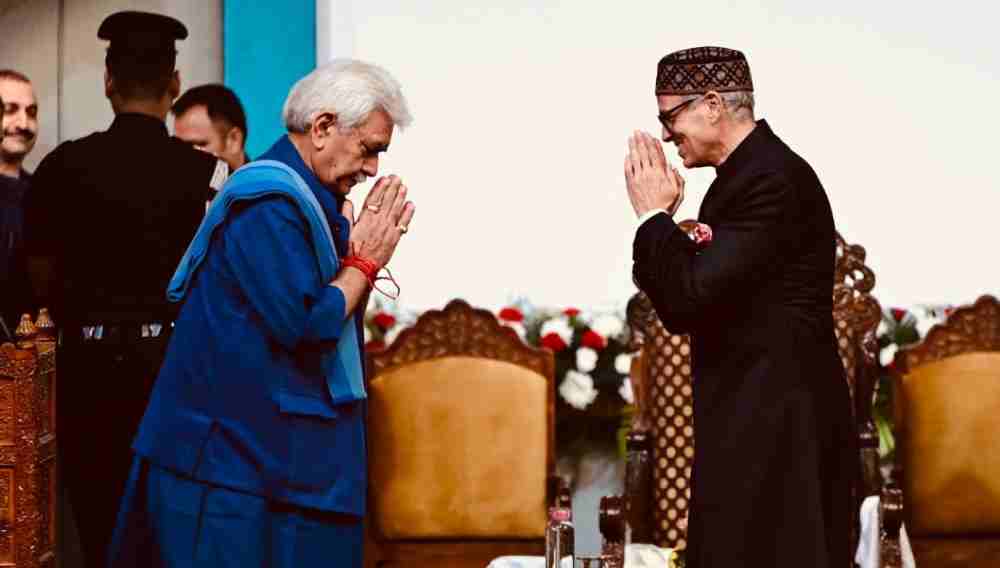
Jammu and Kashmir continues to live under an unusual arrangement. Statehood was withdrawn in 2019. The region, minus Ladakh, was reorganised into a Union Territory. Power was split between an elected Chief Minister and an appointed Lieutenant Governor. Police and key services stayed with the LG. The Chief Minister runs a government without full control over it.
This dual structure has strained governance. Omar Abdullah leads a government with a strong mandate. Yet his administration cannot function the way an elected government should. Decisions on law and order, and on services central to daily life, rest elsewhere. The gap between electoral responsibility and administrative power has grown wide. Citizens see delays. They blame the government they elected, even when the government’s hands are tied. This confusion over who is accountable for what has become one of the quieter costs of the current arrangement, eroding public trust in elected representatives who often cannot deliver on matters beyond their control.
The restoration of statehood is not a new demand. It was promised in Parliament when Article 370 was read down. The promise was repeated before the Supreme Court. The Court upheld the abrogation of Article 370, but it also noted the assurance of statehood. That assurance remains unfulfilled years later. This delay has consequences beyond politics. It shapes how young people understand democracy. It shapes how citizens see their own rights.
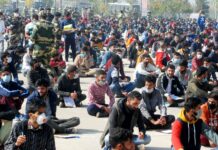
Facing criticism for inertia, the National Conference has chosen a different route. Instead of quiet appeals, the party is taking its demand to Delhi on July 20. Civil society members, industry voices, former civil servants, and educationists have all been part of this outreach. Their message was consistent. Statehood is not merely symbolic. It is the difference between a government that can act and one that must constantly negotiate for authority it should already hold. The scale of the planned Delhi event, drawing like-minded groups from across the country, signals that this demand is no longer confined to Jammu and Kashmir alone.
The resolution passed after the Dachigam meeting reflects a broad consensus. It calls on the Union government to restore full statehood without further delay. This is not an unreasonable ask. It is the fulfilment of a commitment made in the country’s highest legislative and judicial forums. Jammu and Kashmir’s elected government deserves the authority that comes with an electoral mandate. Its people deserve a government that answers only to them, not one caught between two centres of power. The Delhi gathering on July 20 is an opportunity to remind New Delhi of a promise still owed, and to press for a timeline rather than another open-ended assurance.