Fix the Card
Kashmir’s Golden Card scheme is a vital safety net crippled by paltry packages and quiet exclusions. It needs reform, not retreat.
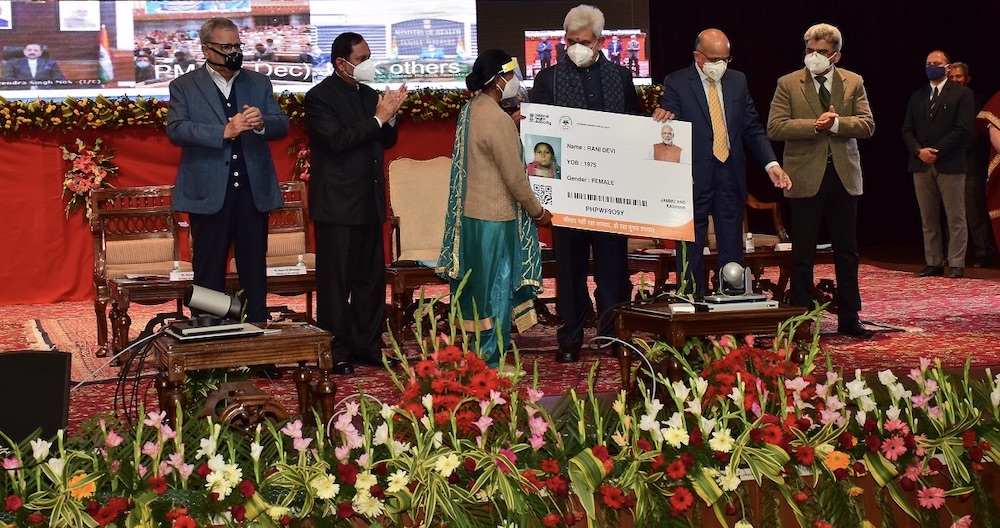
The Ayushman Bharat ‘golden card’ scheme was, at its inception, a genuine leap forward for Jammu and Kashmir. For the first time, families across economic strata were promised cashless treatment for procedures that could otherwise push them into debt. That promise deserves credit. But a scheme is only as good as its execution, and on that count, the SHA has serious questions to answer.
Chief among them is the quiet removal of some of the most commonly required surgeries from the scheme’s ambit. This should not have happened. A health insurance programme that trims its coverage precisely where demand is highest defeats its own purpose. Patients enrol in good faith, believing the card will carry them through their worst medical moments, only to discover that the procedure they need has been dropped to save costs. That is not fiscal prudence; it is a breach of trust.
The second problem is subtler but equally corrosive. On most procedures that remain covered, the scheme pays amounts so low that hospitals and doctors have learned to work around them rather than through them. Equipment costs, implants, consumables, the very items that make a surgery viable, are routinely left for patients to arrange themselves. Doctors, understandably unwilling to operate at a loss, avoid touching these components altogether. The result is a scheme that looks comprehensive on paper but functions as partial coverage in practice, with patients quietly absorbing the difference.
None of this is an argument against the scheme. It is an argument for fixing it. The government should restore the surgeries that were struck off, particularly those with high patient volumes, and revise package rates to reflect actual costs of equipment and implants, not administrative estimates from years past. Dues to hospitals must be cleared within the stipulated 20-day window, not the seven-to-eight months hospitals now report; a scheme that runs hospitals into deficit will eventually run out of hospitals willing to participate.
There is also room for a more sustainable funding model going forward. There would be no harm in asking a modest premium contribution from patients in higher economic brackets in the coming years, while keeping the scheme entirely free for BPL families, as originally intended. This would ease the burden on the SHA’s finances without compromising the scheme’s core promise to those who need it most.
The golden card need not be abandoned. It needs to be repaired, with fuller coverage, fairer packages, and a funding structure built to last.