Disturbing crimes involving minors are forcing Kashmir to confront uncomfortable questions about morality and social change.
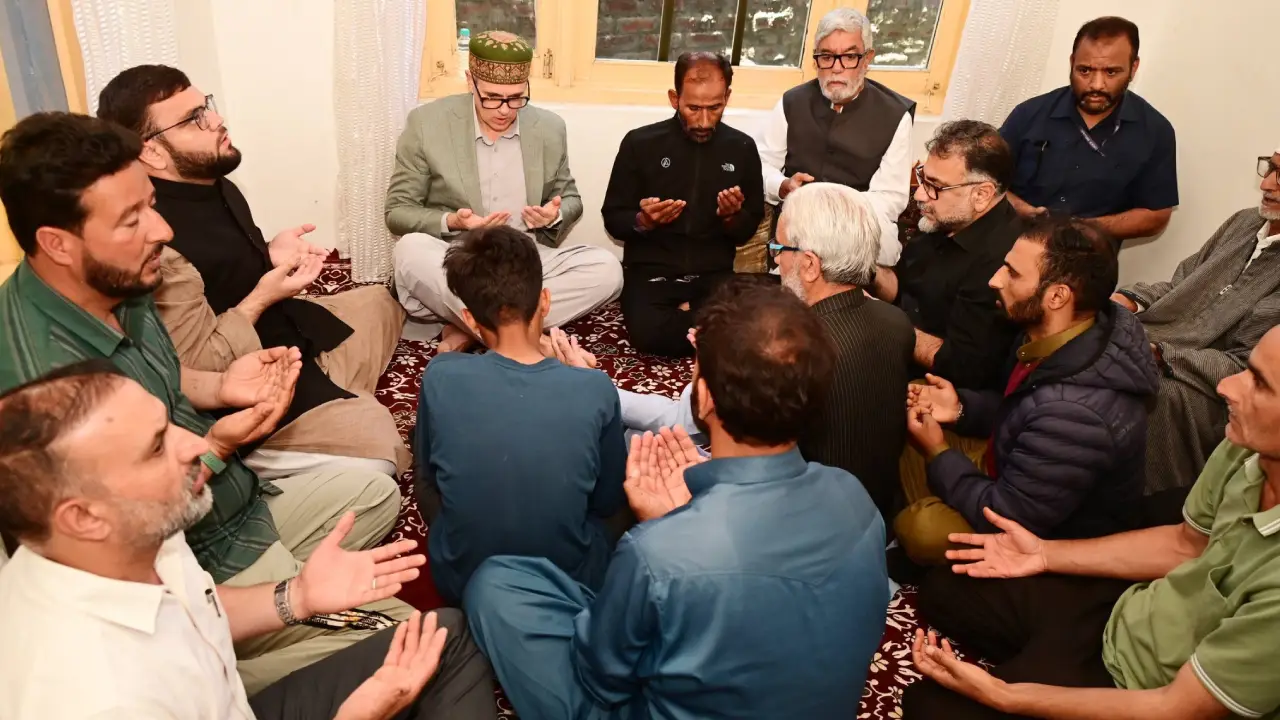
The recent rape and murder of a 12-year-old girl in Kashmir has shaken the Valley in a manner few incidents have in recent years. The child was reportedly on her way to attend Quran lessons when she was abducted by a neighbour, assaulted and killed near her home. Public outrage has been immense. In a reflection of the shock surrounding the case, even the accused man’s parents publicly demanded the harshest punishment for their son.
Yet the tragedy is not an isolated one. Over recent months, Kashmir and Jammu have witnessed a series of deeply disturbing cases involving minors, pregnancies, allegations of sexual abuse, disputed investigations and prolonged legal uncertainty. Together, these incidents are pointing towards a social crisis that deserves serious public attention.
In one recent matter, the High Court of Jammu and Kashmir and Ladakh had to constitute a medical board after a pregnant minor sought permission for an abortion. The board reportedly concluded that terminating the pregnancy could endanger the girl’s life. The court subsequently directed authorities to ensure confidential medical care, while the Social Welfare Department was asked to facilitate foster care and possible adoption after delivery.
In South Kashmir, another minor girl was found pregnant after reportedly visiting a faith healer. Though the man was arrested initially, subsequent DNA analysis reportedly ruled out his involvement. The family, however, continues to insist that he was responsible and alleges that poverty and lack of social influence have prevented them from pursuing justice effectively. The case remains clouded in uncertainty.
Another troubling case emerged from Jammu, where orphaned siblings, after losing both parents, moved into a relative’s home. Months later, the minor girl delivered a baby who later died. A young man was arrested after being accused by a relative, but DNA reports later established that he had no connection with the pregnancy. The court has since ordered a more detailed investigation while the accused continues to claim he was falsely implicated.
These incidents demand more than emotional reactions. They require society to ask difficult questions about what is changing around it.
Why are minors increasingly appearing at the centre of such tragedies? Are families becoming less aware of the emotional realities their children face? Has the education system reduced itself to examinations and career competition while abandoning discussions around ethics, emotional well-being, and responsible behaviour? Are mobile phones and social media exposing children to adult realities far earlier than they are prepared for?
There is also a larger social concern. Kashmir traditionally functioned through strong community oversight where neighbours, relatives and local institutions collectively acted as safeguards for children. That protective structure now appears weaker. Urbanisation, economic pressures, digital isolation and changing social aspirations may all be reshaping relationships within families and communities.
At the same time, institutions responsible for justice and protection must recognise the sensitivity of such cases. Delayed investigations, contradictory findings and allegations of wrongful implication create further distress for victims, families and society alike. Public trust depends not only on punishment but also on transparent and credible investigations.
Kashmir has endured turmoil, violence and uncertainty for decades. But the recent rise in disturbing crimes involving minors is generating a different kind of anxiety, one rooted within society itself. The crisis is no longer limited to individual incidents. It is becoming a wider conversation about parenting, morality, social responsibility and the changing nature of community life in the Valley.
Ignoring these questions may prove far more dangerous than confronting them honestly.