Chatroo is not an isolated horror. It is the latest in a chain. Kashmir must ask why these crimes keep repeating.
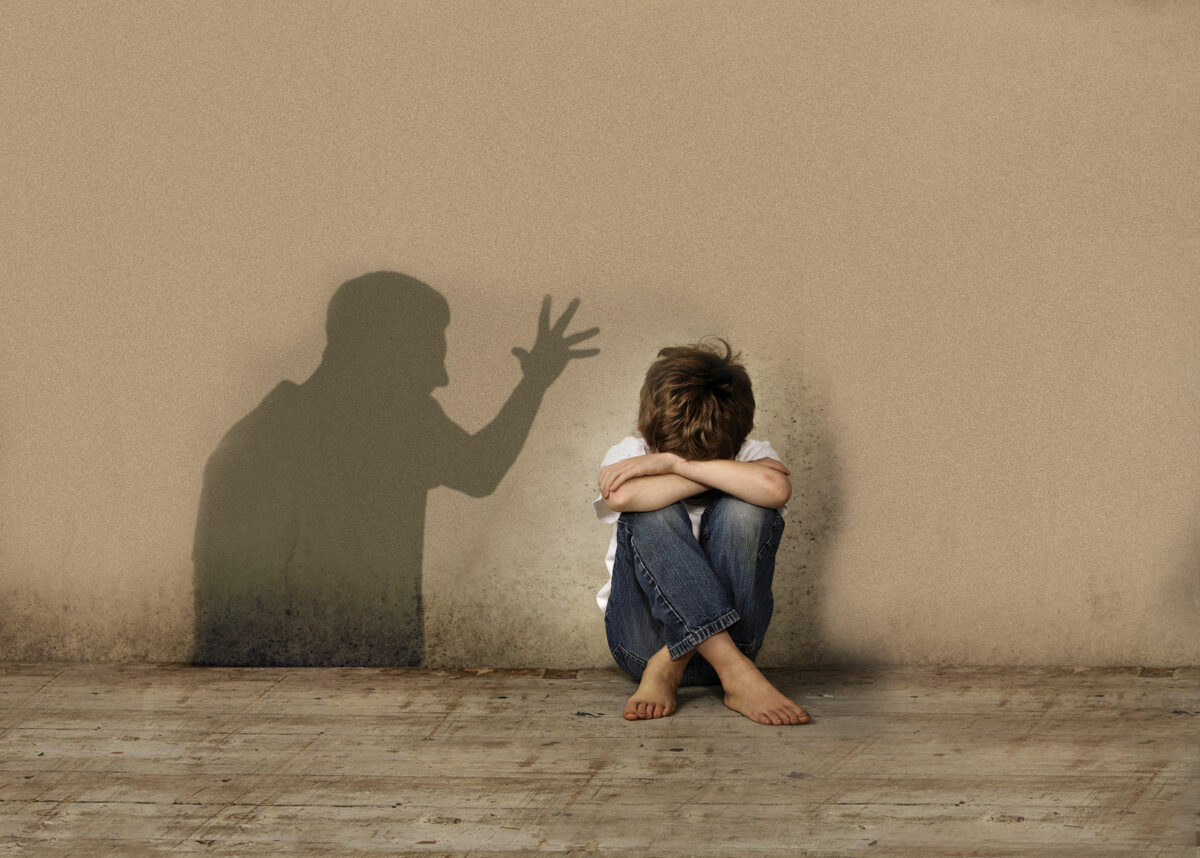
A child died in Chatroo. Before her, a girl in Galwanpora was raped and murdered while walking to Quran lessons. Before that, a teenager was allegedly assaulted by a faith healer her family trusted. Before that, a court wrestled with a minor’s twenty-seven-week pregnancy, born of alleged rape. These are not scattered tragedies. They are a pattern. And patterns demand explanation.
How many such cases must surface before we stop calling each one shocking? Shock implies rarity. This is no longer rare. Something structural is broken, and naming each incident a one-off crime lets that structure survive untouched. What has changed in Kashmir that childhood itself feels less protected than before?
Are families still raising God-fearing, responsible people? That question feels harsh, yet it must be asked. Every accused man was once a child himself, raised by parents, taught values, and sent to school. Something in that chain failed long before the crime occurred. Are homes still teaching restraint, empathy, and accountability? Or has that responsibility quietly been abandoned, left to schools, mosques, or nobody at all?
Are parents keeping children close, or keeping distance instead? Migration for work, mobile phones, and long hours earning a living all pull parents away from daily involvement in a child’s world. Do mothers and fathers still know who their children spend afternoons with? Do they notice silence, withdrawal, or fear? Or has parenting become supervision from a distance, present in the house but absent from the child’s inner life?
Where is moral education in our schools? Children learn arithmetic and scripture, but rarely learn to recognise abuse or name it. Who is building that curriculum? Or do we still believe morality arrives on its own, without teaching?
The government arrests men after children die. Investigations follow tragedy, never precede it. Are schools inspected for the safety of children, not merely their infrastructure? Is there a functioning, trusted channel for a child to report abuse before it ends in death? Or does protection exist only as paperwork, activated by outrage rather than prevention?
Perhaps the deepest question is this. Has Kashmir stopped producing the kind of people it once prided itself on: disciplined, restrained, accountable to community and conscience? Or have we simply stopped looking closely enough to notice the erosion?
Chatroo will fade from headlines soon, as Galwanpora did, as the others did. But the pattern will not fade unless families, schools, and government stop treating each death as an isolated wound, and start treating it as a warning they have ignored too many times already.