SRINAGAR

Eminent Kashmiri scholar, poet, and linguist Prof Shafi Shauq has been awarded the Padma Shri 2026 for his outstanding contribution to education and literature, particularly in preserving and enriching the Kashmiri language and literature. Born in Shopian in 1950, Shauq authored, edited, and translated over 100 works, including the authoritative Keeshur Lugaat and Kaeshir Zabanti Adibuk Tawaariekh. His efforts to promote Sufi poetry and the literary canon, including that of Lal Ded and Nund Reshi, have brought Kashmiri heritage national and international recognition, cementing his role as a cultural custodian. Alongside Shauq, Brij Lal Bhat was also honoured with the Padma Shri for his exemplary social work in Jammu and Kashmir, particularly for empowering local farmers, promoting modern horticulture, and supporting Kashmiri Pandit community initiatives.
Jammu and Kashmir’s receipts from sales tax and value-added tax on petroleum products stood at Rs 1,675.10 crore in 2024-25, up from Rs 1,621.40 crore in 2023-24, after fluctuating at Rs 1,443.50 crore in 2020-21, Rs 1,858.90 crore in 2021-22 and Rs 1,542.60 crore in 2022-23, with provisional collections of Rs 838.30 crore recorded in the first half of 2025-26.
POONCH
Jammu and Kashmir Police arrested a 60-year-old retired school teacher in Poonch for allegedly posting ‘deliberately’ offensive content on social media that hurt public sentiments. Identified as Onkar Singh, the accused was taken into custody after the post triggered resentment among sections of the community. Police said legal action has been initiated under relevant laws and reiterated a zero-tolerance policy towards abuse of social media that threatens communal harmony.
Toll collections on National Highways in Jammu and Kashmir totalled Rs 1,387 crore between 2023 and 2025, rising from Rs 418 crore in 2023 to Rs 466.05 crore in 2024, with commercial vehicles contributing a dominant Rs 936.34 crore, nearly two-thirds of the total, compared to Rs 451.62 crore from non-commercial vehicles.
UTTRAKHAND
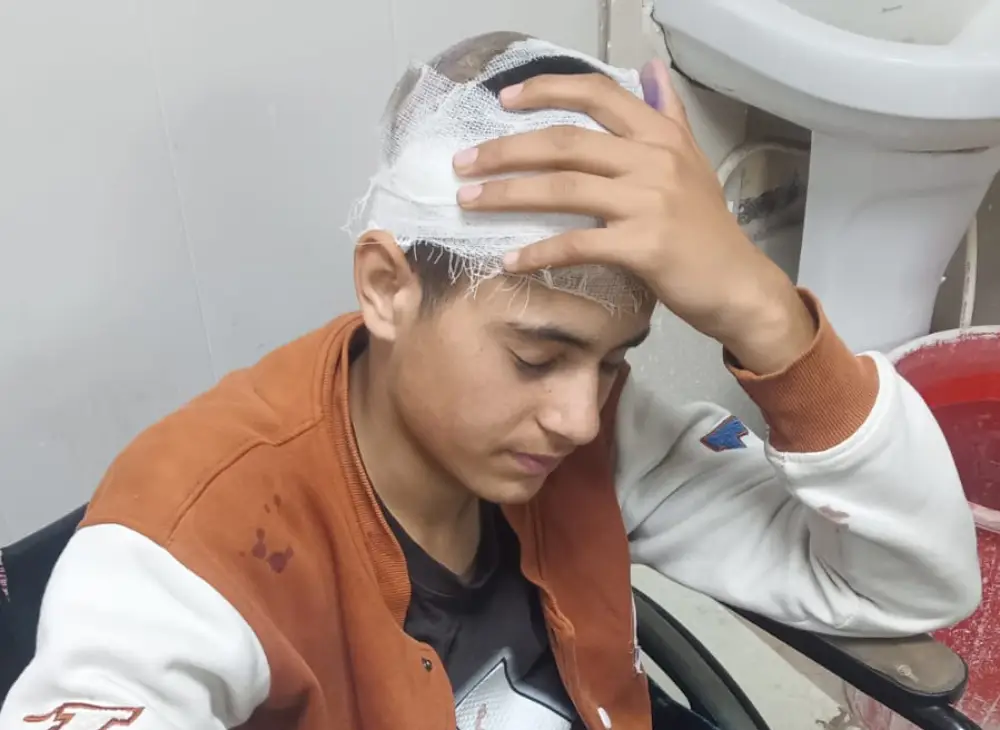
Two Kashmiri brothers selling shawls were brutally assaulted in Dehradun’s Vikas Nagar area after being questioned about their identity and place of origin, triggering widespread political and public outrage. The incident occurred on the evening of January 28, 2026, when 18-year-old Tabish and his elder brother, Danish, residents of Kupwara, stopped at a shop to buy snacks while returning from hawking shawls. According to police complaints and eyewitness accounts, the shopkeeper objected to them speaking in Kashmiri, asked about their names and origin, hurled communal slurs, and, along with others, attacked them with sticks and iron rods. Tabish sustained serious head injuries, requiring multiple sutures, and also suffered a fractured shoulder, while Danish received minor injuries. The brothers were rushed to the hospital, where Tabish was later referred to Dehradun’s Doon Hospital. Police arrested the main accused, Sanjay Yadav, and registered an FIR under Sections 117(2) (voluntarily causing grievous hurt) and 352 (intentional insult with intent to provoke breach of peace) of the Bharatiya Nyaya Sanhita, with investigations ongoing to identify other assailants.
The attack prompted strong reactions from Jammu and Kashmir Chief Minister Omar Abdullah, who termed such assaults “unacceptable” and spoke to his Uttarakhand counterpart, seeking strict action and assurances for the safety of Kashmiris. The incident has revived concerns over a pattern of attacks on Kashmiri shawl sellers in Uttarakhand and neighbouring states, particularly during the winter months when hundreds of Kashmiris migrate to earn a livelihood as hawkers. Previous assaults in Mussoorie, Kashipur, Almora and Himachal Pradesh were cited, highlighting recurring allegations of communal profiling and intimidation. The Dehradun assault has thus become emblematic of broader anxieties about the safety and dignity of Kashmiri migrant workers across India.
The Centre spent over Rs 37,851 crore on the development and maintenance of National Highways in Jammu and Kashmir over the last five years, with annual outlays of Rs 2,932 crore in 2020-21, Rs 6,817 crore in 2021-22, Rs 7,370 crore in 2022-23, Rs 10,528 crore in 2023-24 and Rs 10,331 crore in 2024–25-closely matched by actual expenditure, while adding a cumulative 976 km to the National Highway network during this period.
SRINAGAR
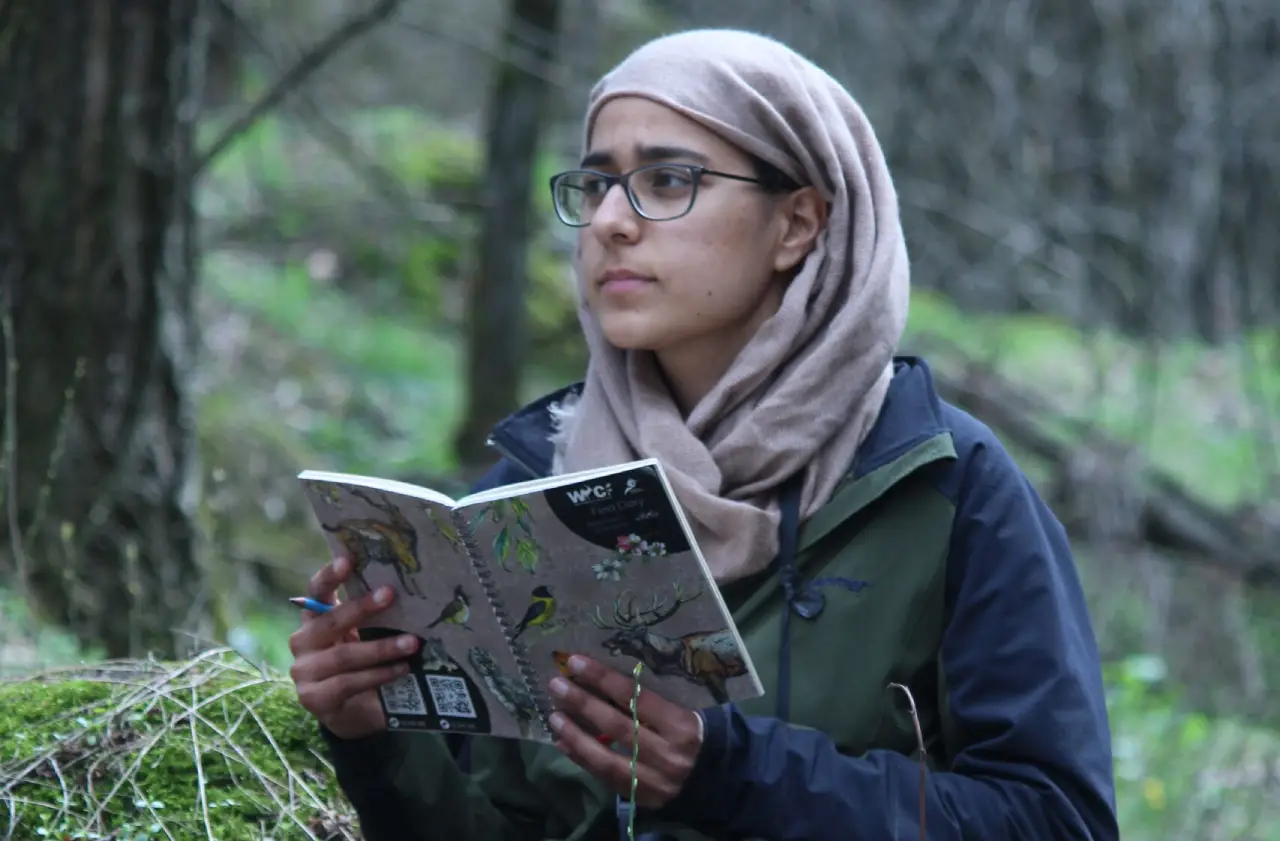
What began as a modest bird awareness effort has evolved into a wider conservation movement in Kashmir, led by the Wildlife Research and Conservation Foundation under conservationist Dr Mehreen Khaleel. Over nine years, the foundation has organised bird walks across wetlands, training more than 78 women in bird identification, habitat study and conservation. Women-led birdwatching groups have steadily grown, breaking age and gender barriers and supporting fragile wetland ecosystems. With regular outreach, volunteer-driven documentation and the launch of Jammu and Kashmir’s first exclusive Women Birding Club, the initiative is strengthening women’s role in ornithology while aiding official wildlife records and biodiversity conservation.
Jammu and Kashmir has one of the lowest counts of registered gig and platform workers in the country, with just 3,328 workers enrolled on the e-Shram portal.
KATHUA
Police in Kathua district have arrested a woman for allegedly murdering her husband, whose body was found in a stream in Billawar in October 2025. The victim, Bittu Ram, had multiple injuries and a ligature mark around his neck. Following a detailed investigation, including forensic examination of the crime scene, police identified the victim’s wife, Simro Devi, as the prime suspect. During questioning, she allegedly confessed to strangling him with a rope after repeated marital disputes.
At least 2,32,329 people in Jammu and Kashmir are registered on the Employees’ Provident Fund Organisation’s digital platform, reflecting the size of the Union Territory’s organised, largely private-sector workforce.
UTTER PRADESH
Former Director General of Police of Jammu and Kashmir, Dr Balbir Singh Bedi, passed away on January 25, 2026. A 1961-batch IPS officer of the Uttar Pradesh cadre, he served as DGP of Jammu and Kashmir from January 25, 1992, taking charge a day after a militant attack injured then DGP J N Saksena and other senior officers. His tenure coincided with the early and most intense phase of militancy in the region. Born in Daska, Sialkot, Dr Bedi’s family migrated to Punjab after Partition. Before joining the IPS, he taught at a postgraduate college. He earlier served in Punjab, including as DIG, Jalandhar Range, and later held assignments in UP. After retirement, he served as a member of the Uttar Pradesh Public Service Commission and pursued academic work in English literature.
JAMMU
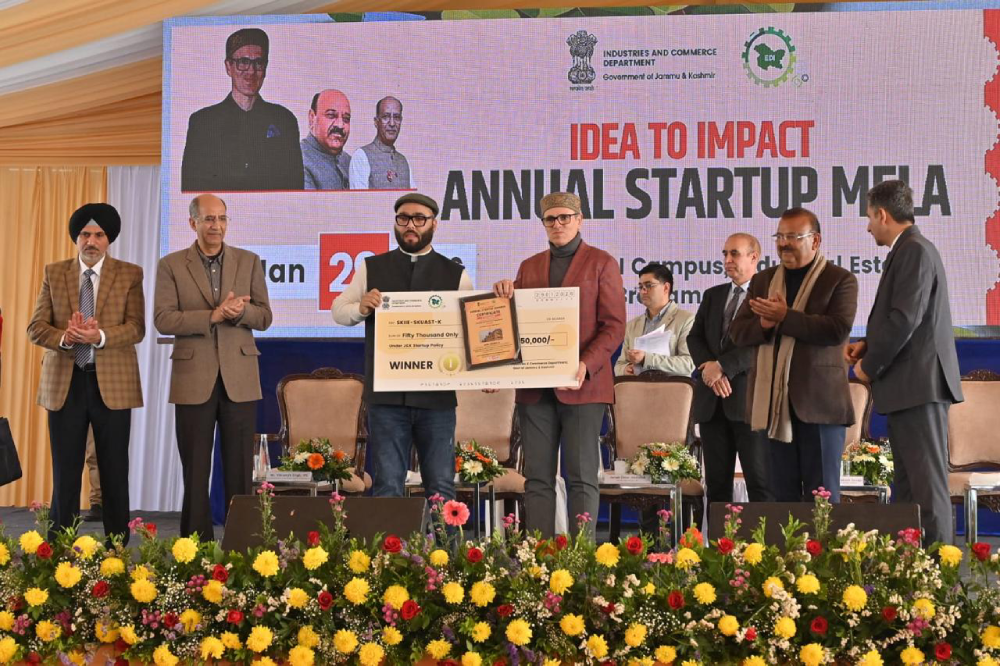
Sher-e-Kashmir University of Agricultural Sciences and Technology of Kashmir’s Innovation, Incubation and Entrepreneurship (SKIIE) Centre has been named Incubator of the Year by the Jammu and Kashmir government at the Annual Startup Mela in Jammu, following a comprehensive evaluation of incubation centres across the Union Territory. The award, presented by Chief Minister Omar Abdullah, recognises SKIIE’s performance in innovation output, startup success, mentorship, governance and industry linkages, with a strong focus on agri-tech, artificial intelligence, deep-tech, food processing and rural enterprises. The Centre received a Certificate of Excellence, Rs 50,000 in prize money and a Rs 50 lakh seed fund, while four SKIIE-incubated startups were sanctioned Rs 80 lakh in seed grants.
DODA
Villagers from the hilly Gundna area of Jammu and Kashmir’s Doda district undertook a strenuous rescue operation to help over 20 Army personnel stranded at Morcha Top, around 11,000 feet above sea level, after heavy snowfall on January 23. On the eve of Republic Day, the villagers trekked nearly 15 kilometres through 6 feet of snow for almost five hours, carving a narrow passage with basic tools to reach the troops. The soldiers were deployed for counter-insurgency operations under Operation Trashi-1 following an encounter in Chhatru earlier in the month. After the Army sought assistance on January 24, the villagers began the rescue the next morning, reached the troops by afternoon and brought them to safety by evening.
SONAMARG
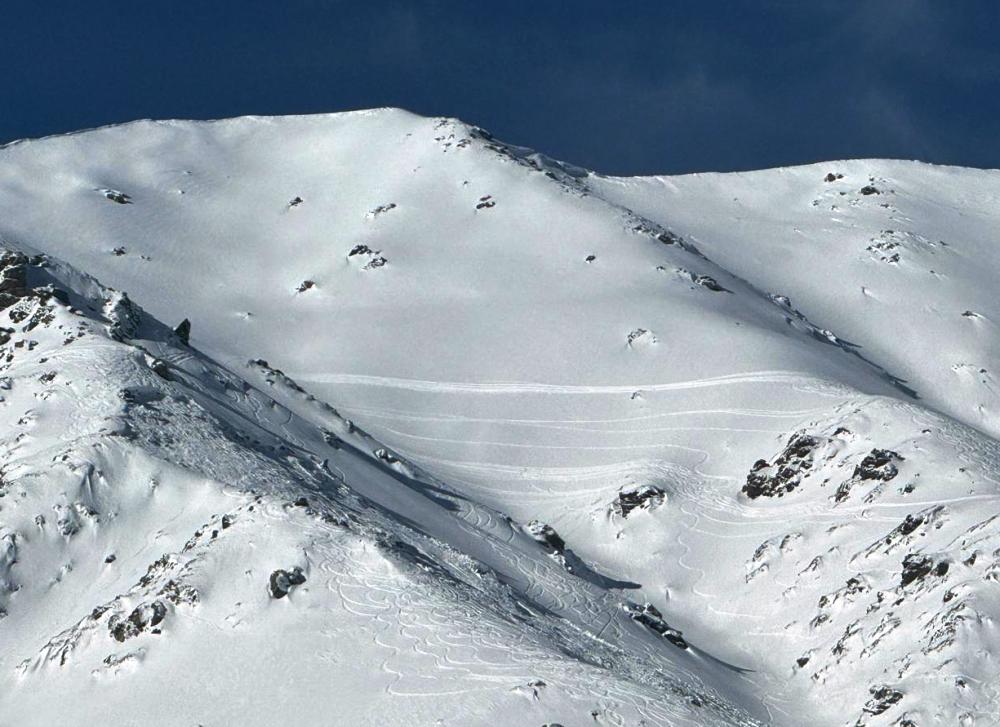
Normalcy and renewed tourist activity have returned to Jammu and Kashmir following improved weather conditions, with the Jammu-Srinagar National Highway fully restored and flight operations resuming at Srinagar Airport after brief disruptions. The reopening of NH-44, the Valley’s lifeline, ensured smooth movement of passenger and freight traffic, while rail services remained unaffected. Fresh snowfall has revitalised winter tourism, particularly in Gulmarg, where hotel occupancy has touched 100 per cent for the first time since last year’s Pahalgam terror attack, and in Sonamarg, which has reported over 70 per cent occupancy and nearly 88,000 visitors this month. Tourists have praised Gulmarg’s skiing facilities, Gondola rides and scenic beauty, calling it unmatched. Authorities, however, remain cautious after a minor avalanche in Sonamarg and have advised visitors to avoid avalanche-prone areas. Despite isolated incidents like a landslide in Kishtwar, the improved weather and heavy snow cover have strengthened Kashmir’s appeal as a premier winter tourism destination.
VERINAG
A rare female Kashmir musk deer was rescued after straying into Verinag village in Anantnag following heavy snowfall in the higher reaches and was shifted to the Mini Zoo, Pahalgam, for care. The Wildlife Protection Department, with support from police and locals, safely captured the animal, which officials said had descended due to severe winter conditions. The endangered species, listed on the IUCN Red List and endemic to the Himalayas, is being kept under veterinary supervision and provided with suitable feed. Wildlife officials said such incidents are common during harsh winters, when animals move to lower areas in search of food and shelter, and the deer will be released back into its natural habitat once weather conditions improve.
DELHI
An Instagram influencer sparked amusement and debate after successfully transporting snow from Kashmir to New Delhi and selling it in Connaught Place. Using an insulated box, the creator proved sceptics wrong as the snow survived the 800-km journey. Curious passersby paid Rs 20 to touch “real Kashmir snow,” turning a quirky experiment into a viral moment. The stunt drew praise as a clever example of creativity, storytelling and attention-driven marketing in the creator economy.
SHOPIAN
Braving heavy snowfall and treacherous conditions, a gynaecologist in Shopian demonstrated exceptional dedication by reaching his hospital atop an excavator to attend patients. Dr Basharat Pandit travelled nearly 55 km from Srinagar as south Kashmir received four feet of snow. After his car got stuck, he walked several kilometres before boarding a JCB to reach the hospital. He conducted multiple procedures, including surgeries on pregnant women, underscoring his commitment to patient care despite extreme weather.