RAMBAN
The newly completed 3.5-km Digdole-Panthyal tunnel and the 810-metre viaduct near Ramsu on the Jammu-Srinagar National Highway opened to traffic on July 2, marking a major milestone in improving all-weather connectivity to Kashmir. Built for Rs 680 crore, the project bypasses one of the most landslide- and shooting-stone-prone stretches of the Ramban-Banihal section, where frequent road closures have disrupted travel and the movement of essential supplies for years. Besides reducing travel time and improving road safety, the projects are expected to strengthen the resilience of Kashmir’s only all-weather road link with the rest of the country, boosting tourism, trade, emergency logistics and the year-round movement of goods and essential supplies.
Jammu and Kashmir Bank has crossed the Rs 3 lakh crore business milestone for the first time, with total business reaching Rs 3.04 lakh crore, including Rs 1.73 lakh crore in deposits and Rs 1.31 lakh crore in advances.
BUDGAM
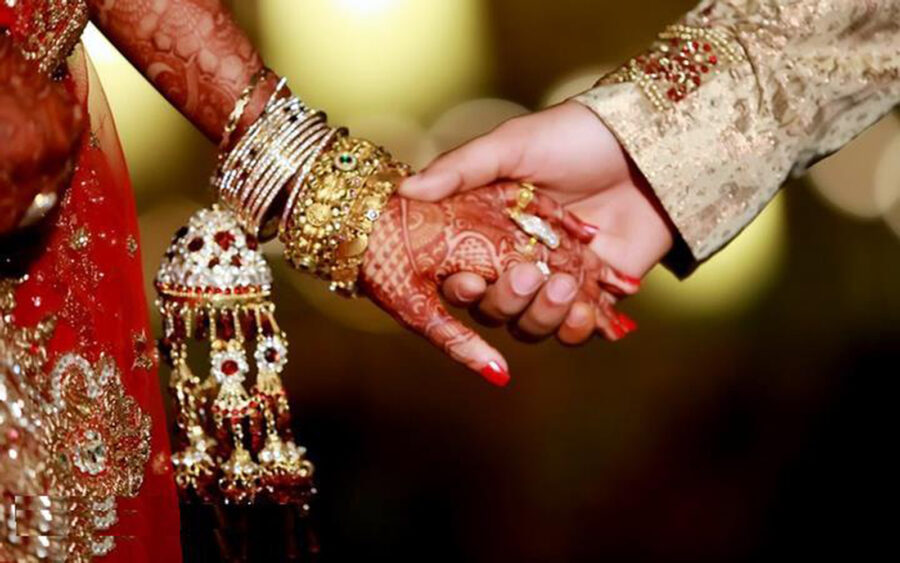
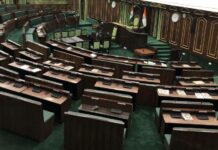
A court in Budgam ruled that a Muslim marriage can be legally established through credible oral evidence even if the Nikahnama is not formally proved, provided the evidence is reliable and the marriage is not disputed. Judicial Magistrate 1st Class Tasneem Kawoos observed this while partly decreeing a husband’s suit for restitution of conjugal rights. The court directed the wife to resume cohabitation, holding that the marriage stood proved through the husband’s testimony and two unchallenged witnesses. However, it dismissed the husband’s plea for a permanent injunction against a relative, citing a lack of specific supporting evidence.
Jammu and Kashmir Police in Anantnag attached properties worth around Rs 50 crore, demolished 20 illegal structures and destroyed 2,000 kg of contraband during the first half of 2026 in an intensified anti-narcotics crackdown.
JAMMU
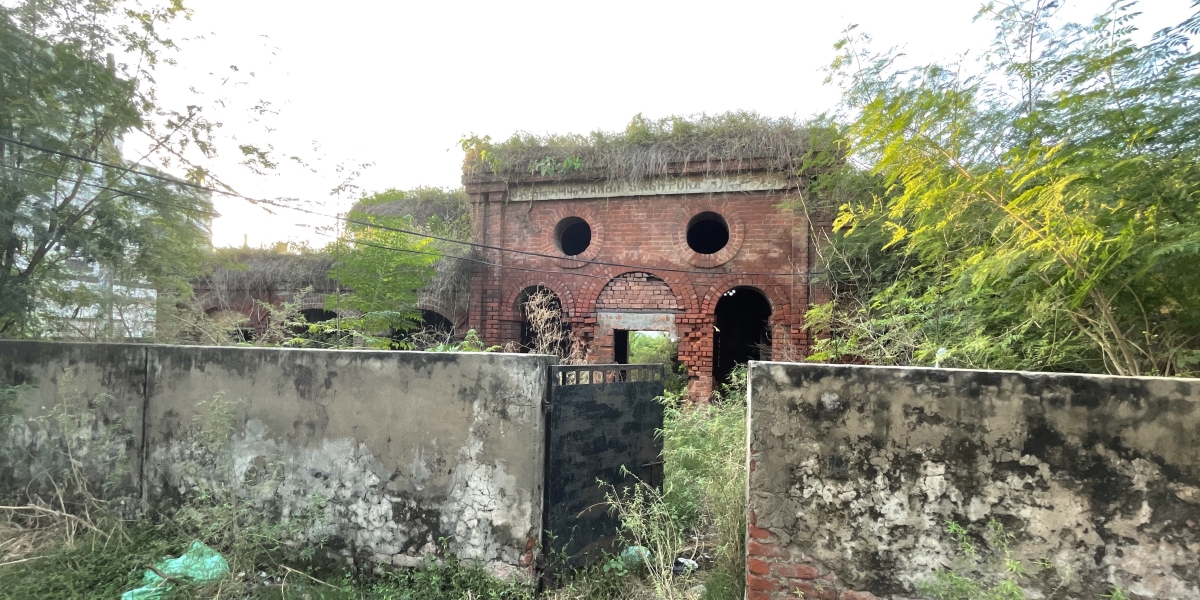
The Rs 450-crore redevelopment of Jammu Tawi railway station is moving ahead rapidly, with major track and platform works nearing completion, and the entire project is scheduled for completion by December 2027. The modernisation, carried out under the Amrit Bharat Station Scheme, will transform the station into a world-class transit hub with seven platforms instead of the existing three, a new Narwal-side entrance, an elevated air concourse, upgraded station buildings, lifts, escalators and improved passenger amenities. Officials said the newly built platforms are already operational, with the Jammu-Srinagar Vande Bharat Express using one of them, while additional trains will soon be shifted. The Narwal-side entrance is expected to open shortly, and phased demolition of the existing station building has begun for the construction of a new terminal. The project will also introduce advanced electronic interlocking, an additional washing pit and stabling lines, a dedicated parcel siding and a redesigned exterior reflecting Jammu’s identity as the City of Temples.
The Centre has allocated 275 AI-enabled portable X-ray machines, nine MRI units and four digital mammography units to Jammu and Kashmir under the Prime Minister’s Fund to strengthen diagnostic healthcare infrastructure.
KASHMIR
Abida Nazir Khan, a lecturer in the Youth Services and Sports Department and former cricketer, has become the first woman from Kashmir to be appointed to the Jammu and Kashmir Cricket Association’s Cricket Advisory Committee. A BCCI Level-A qualified coach, she has represented Jammu and Kashmir in more than 40 senior women’s one-day matches and coached the J&K women’s team to its historic first knockout qualification in 2021. She has also served as a senior selector and received several awards for her contributions to sports and education.
Northern Railway’s Jammu Division detected 12,314 ticketless travel cases and recovered over Rs 75.43 lakh in penalties during a month-long enforcement drive.
BARAMULLA
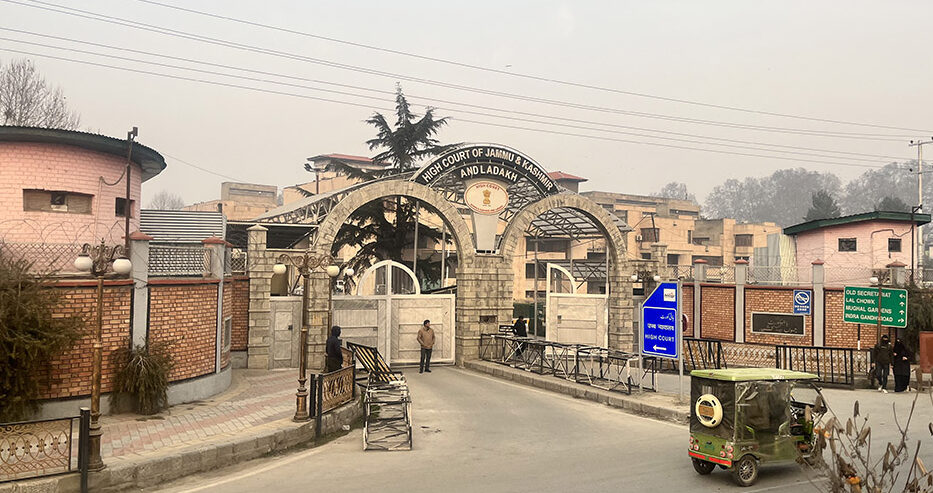
The Jammu and Kashmir and Ladakh High Court has dismissed a petition by an interfaith couple seeking to quash an FIR alleging the abduction of a married woman, vacating the interim protection earlier granted to them. Justice MA Chowdhary held that the petitioners failed to produce sufficient material to justify setting aside the FIR lodged by the woman’s father-in-law in Baramulla. The court observed that the woman was legally married when she allegedly entered into another marriage, noting that the allegations warranted an investigation into offences under the Bharatiya Nyaya Sanhita, including abduction and possible bigamy. It ruled that the FIR disclosed a cognisable offence and did not amount to an abuse of legal process. While acknowledging the woman’s apprehensions about returning to Kashmir, the court said her statement could be recorded at a place where she felt safe, in accordance with the law, but declined to interfere with the investigation.
Jammu and Kashmir has recorded 3,066 organ and tissue donor pledges, with Jammu district leading at 1,436 registrations.
TEHRAN
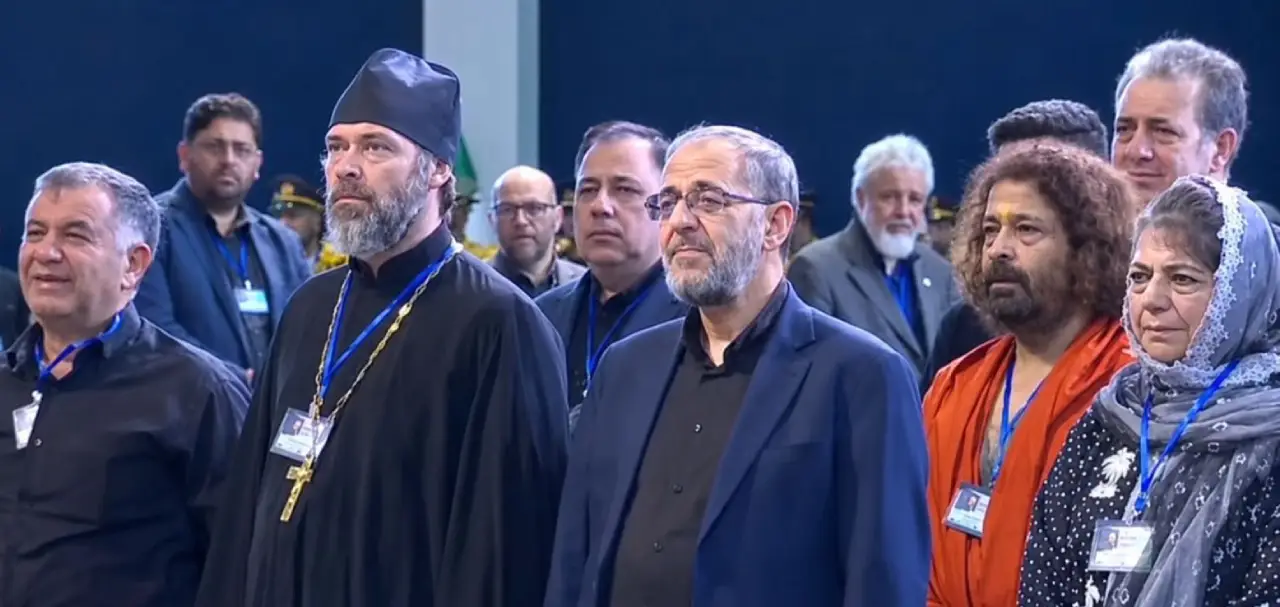
Former Jammu and Kashmir Chief Minister Mehbooba Mufti and Peoples Conference leader Imran Reza Ansari attended the funeral ceremonies of slain Iranian Supreme Leader Ayatollah Ali Khamenei in Tehran on July 3, after receiving invitations from the Iranian government. However, two other invitees from Jammu and Kashmir were unable to travel. Shia cleric Aga Syed Hassan Al-Mosavi Al-Safavi was stopped at Delhi airport by immigration authorities, who impounded his passport, while Masroor Abbas Ansari said he could not travel because he had been denied a passport since 2017. National Conference MP Aga Syed Ruhullah Mehdi also did not attend due to prior commitments. The invitations were extended by the Office of the Supreme Leader of Iran for the funeral ceremonies beginning July 3. While Mufti described her visit as an expression of solidarity with the Iranian people, the Shia organisations sought an explanation from authorities over the action against Al-Safavi, saying he was prevented from travelling despite possessing valid travel documents.
DELHI
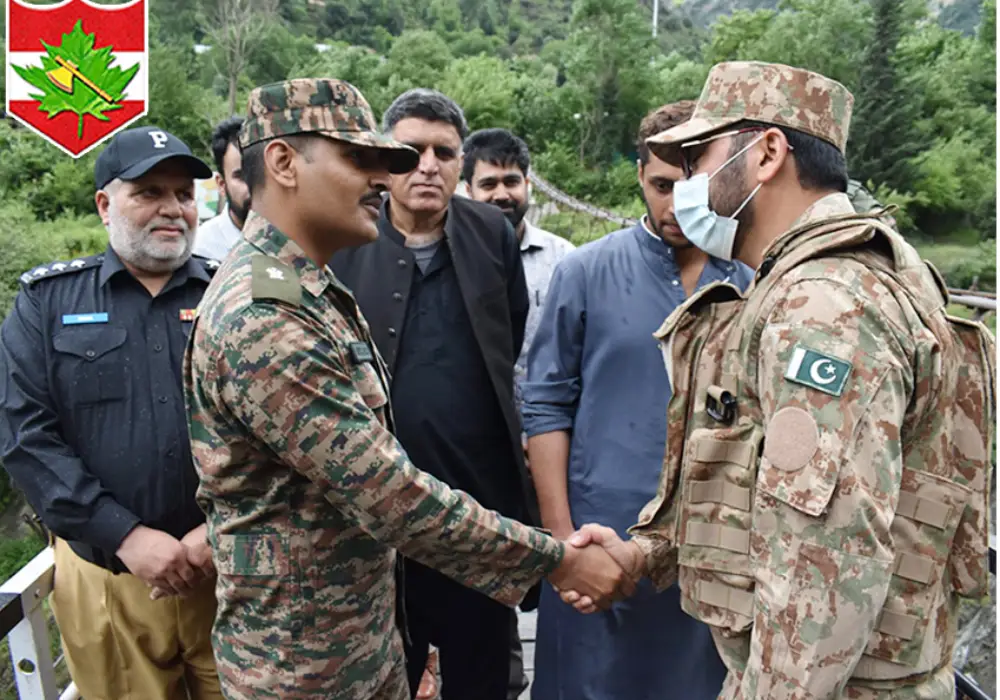
More than 100 prominent citizens from India and Pakistan have jointly appealed to Prime Minister Narendra Modi and his Pakistani counterpart Shehbaz Sharif to resume structured dialogue, restore diplomatic relations and revive trade, transport and people-to-people exchanges, arguing that prolonged hostility has imposed heavy human, social and economic costs on the region. The June 30 appeal, coordinated by Centre for Peace and Progress chairman OP Shah, calls for sustained engagement over confrontation and describes peace as essential for the future of nearly two billion people.
The signatories urged both governments to restore full diplomatic ties by appointing High Commissioners, resume normal visa services and reopen comprehensive bilateral talks covering all outstanding issues, including Jammu and Kashmir. They also recommended revisiting the 2004-07 dialogue framework, pursuing de-escalation while addressing security concerns, reopening cross-border trade, restoring transport links such as the Srinagar-Muzaffarabad bus service, Samjhauta Express, Thar Express and the Kargil-Skardu route, and facilitating religious and cultural exchanges, including access to Kartarpur Sahib and Sharada Peeth.
The appeal was signed by prominent Indian figures, including Farooq Abdullah, Mehbooba Mufti, Mirwaiz Umar Farooq, Mani Shankar Aiyar, former RAW chief AS Dulat, Prof Saifuddin Soz and CPI(M) leader MY Tarigami, along with academics, journalists and civil society representatives. Pakistani signatories include former Foreign Minister Khurshid Mahmud Kasuri, former Foreign Secretary Ashraf Jehangir Qazi, physicist Pervez Hoodbhoy, artist Salima Hashmi, journalist Imtiaz Alam and several former diplomats, lawyers and rights activists. The initiative has drawn political attention, with Jammu and Kashmir Chief Minister Omar Abdullah backing dialogue, while the BJP has opposed talks until Pakistan ends cross-border terrorism.
PUNJAB
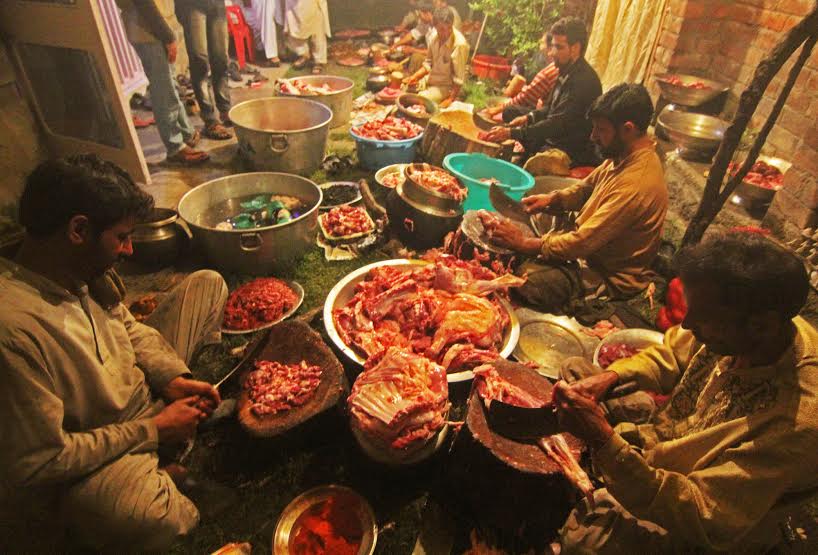
The immediate crisis over Kashmir’s mutton supply has eased after the Punjab government ordered the withdrawal of the controversial transit levy on livestock trucks, ending a standoff that had disrupted supplies during the Valley’s wedding season. The episode, however, has underlined Jammu and Kashmir’s continued vulnerability as a consumer region located at the tail end of the country’s road network, where disruptions in transit through neighbouring states can quickly affect essential supplies.
Kashmir consumes around 60,000 tonnes of mutton annually, but produces only half of it locally, forcing it to rely on imports from Rajasthan, Haryana, Gujarat and other states. During the peak wedding season, 40-50 truckloads carrying around 8,000 sheep enter the Valley daily, rising to 60-70 trucks (around 11,000 sheep) when demand peaks. Traders estimate that livestock worth Rs 12-14 crore reaches Kashmir every day.
The crisis erupted after traders alleged that Punjab-based contractors were collecting Rs 20,000-25,000 per truck as an unauthorised transit levy despite taxes already being paid in the originating states. The imports were suspended in protest, pushing mutton prices up from Rs 700 to Rs 750 per kg and threatening supplies for the traditional wazwan served at Kashmiri weddings.
While Punjab’s decision has restored normal movement, the episode revived demands for a guaranteed right of transit for essential commodities to Jammu and Kashmir, whose economy and food security remain heavily dependent on uninterrupted road access through neighbouring states.
MUMBAI

The teaser of Ajay Devgn’s upcoming film, Chauhaan triggered widespread anger in Kashmir, reopening painful memories of the pellet gun injuries that scarred the Valley during the 2010-2018 unrest. The strongest criticism centres on a dialogue describing pellet guns as causing “limited damage,” a characterisation many Kashmiris see as trivialising a tragedy that left thousands injured and hundreds partially or completely blind.
The controversy has also revived a broader debate over Bollywood’s portrayal of Kashmir. Regional political leaders, civil society groups and survivors have accused Hindi cinema of repeatedly depicting Kashmir primarily through conflict, militancy and militarised narratives while ignoring the human cost borne by ordinary civilians. Critics argue that films often portray Kashmiris as villains or background characters, reducing complex realities to action-driven stereotypes.
Official figures show more than 6,200 people suffered pellet injuries between July 2016 and February 2017, with 728 eye injuries, while hospital studies documented hundreds of cases of permanent vision loss and lasting psychological trauma. Politicians, activists and pellet survivors have demanded the teaser be withdrawn, saying entertainment should not come at the cost of reopening old wounds. They urged filmmakers to portray Kashmir’s resilience and aspirations instead of repeatedly commercialising its decades of conflict.
SRINAGAR

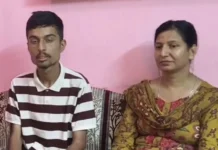
The Child Welfare Committee (CWC), Srinagar, has summoned a local news portal over a viral interview of a minor school student criticising Education Minister Sakina Itoo over the delay in announcing summer vacations. The panel directed the portal’s editor to appear before it and explain the recording and publication of the interview, stating that the child’s consent was obtained without parental or school permission. It also asked cyber police to facilitate the removal of the videos from social media. Separately, the CWC issued an advisory prohibiting the interviewing or filming of children without informed parental consent and necessary permission from school authorities, citing child protection provisions under the Juvenile Justice Act, 2015.