Syed Muzaffar Aga
(1919-2026)
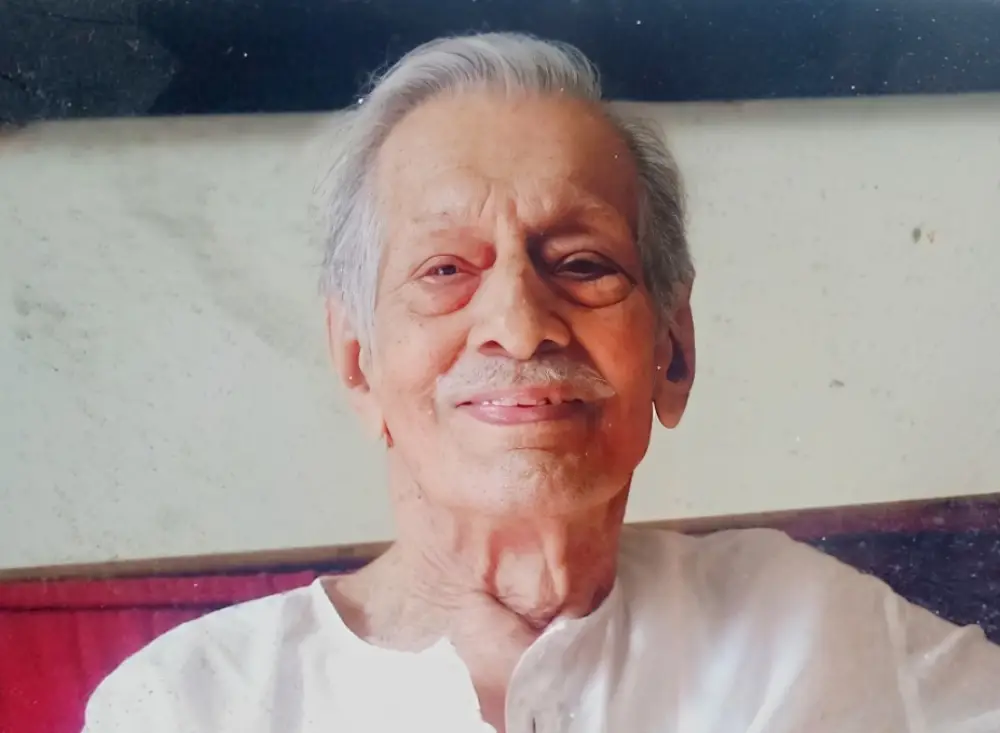
Syed Muzaffar Aga, one of Jammu and Kashmir’s oldest surviving civil servants and a former Chief Secretary of the erstwhile state, passed away peacefully at his daughter’s residence in Gulberg, Lahore. He was 108. With his passing ends a remarkable administrative journey that began in the final years of the Dogra monarchy and in an elected-rule Jammu and Kashmir, making him one of the last living links to a transformative period in Kashmir’s governance.
Born in Srinagar in 1919 into a distinguished family, Aga was educated at Tyndale Biscoe School, SP College and Aligarh Muslim University, where he earned a Master’s degree in English Literature. Joining the Kashmir Civil Service in 1943, he served first under Maharaja Hari Singh before being inducted into the Indian Administrative Service after 1947.
During a career spanning nearly four decades, he held many of the state’s most important administrative positions, including the first Transport Commissioner of Jammu and Kashmir, Deputy Commissioner, Director of Industries, Financial Commissioner and Principal Secretary in key departments. Between 1975 and 1978, he served as India’s first Ambassador to South Korea before returning to head the Jammu and Kashmir administration as Chief Secretary from 1978 to 1980.
After retirement, Aga settled in London before moving to Pakistan to live with his daughter following the death of his son. His wife, Sahibzadi Aleema Begum, predeceased him in 2012.
National Conference president Dr Farooq Abdullah and Chief Minister Omar Abdullah paid rich tributes to the veteran administrator, recalling his integrity, administrative acumen and decades of distinguished public service. They described Aga as an institution in himself whose career bridged different political eras while remaining rooted in professionalism and public duty.
He is survived by his daughter, Huma Aga, and grandchildren. His death marks the end of an extraordinary life that mirrored the evolution of Jammu and Kashmir’s modern civil administration.
Under PMAY, 35,961 of the 45,982 houses sanctioned in Jammu and Kashmir (78.2 per cent) have been completed and occupied, with every completed house allotted to a beneficiary.
DODA
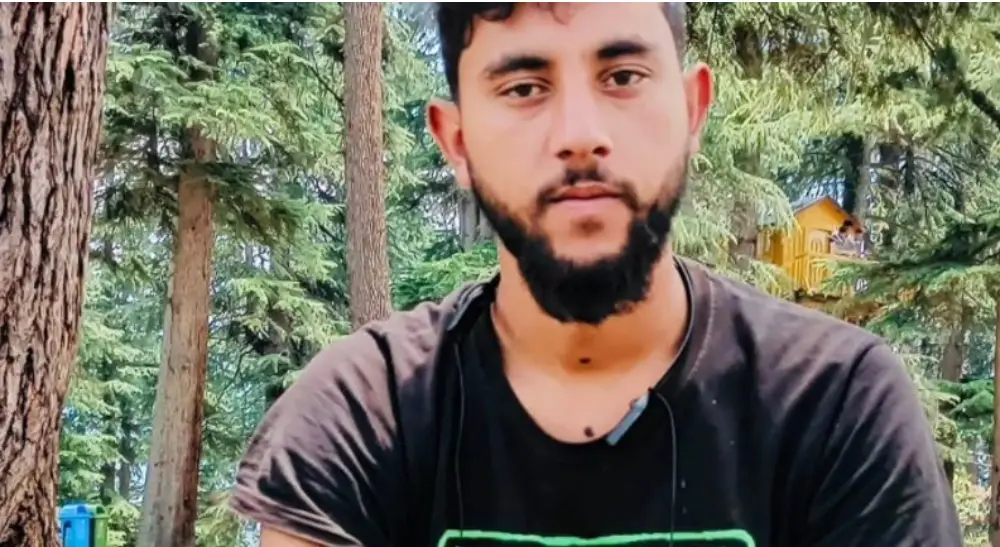
Twenty-seven years after militancy claimed the life of Special Police Officer Javaid Ahmed Bhat on Eid in 1999, another bullet has devastated the same family. His son, Arif Hussain, 30, was killed in police firing in Doda’s Bhaderwah on July 16, with police claiming he died after a scuffle during an alleged attempt to snatch a service rifle. The family disputes the official account, alleging signs of torture, questioning why the post-mortem was shifted from Bhaderwah to Doda, and demanding action against those responsible. Arif leaves behind his pregnant wife, a four-year-old son and an ageing family that had already lost its breadwinner once to militancy. Amid public protests and a shutdown in Doda and Kishtwar, the administration has ordered a magisterial inquiry while police have constituted a Special Investigation Team to examine the circumstances of the killing.
Over the past five years, 2,304 MSMEs in Jammu and Kashmir shut down, representing just 0.27 per cent of the 8.38 lakh enterprises registered under the Udyam portal during the same period.
LADAKH
Ladakh has banned the procurement, sale and use of all chemical and synthetic fertilisers, becoming the territory to take such a sweeping step towards becoming India’s largest certified organic farming region. The order, effective immediately, mandates the use of only organic inputs for cultivation and imposes a minimum penalty of Rs 10,000 for violations. The administration said the move is aimed at protecting Ladakh’s fragile Himalayan ecosystem, conserving soil and water resources, and strengthening organic agriculture. With 207 villages already under organic certification, the policy seeks to improve farmers’ incomes while positioning Ladakh as a global model for sustainable high-altitude farming.
As of July 13, 2026, 36.64 lakh unorganised workers in Jammu and Kashmir had registered on the e-Shram portal, bringing them into the national social security database.
AMRITSAR
A teenage girl from Jammu’s Rehari area has been rescued from an alleged prostitution racket in Amritsar, barely a day after Srinagar Police recovered three missing minor girls from the Punjab city. The girl, who disappeared on June 30 after leaving home for an examination, was traced through a joint intelligence and technical surveillance operation following a missing complaint lodged by her family. Police said she had allegedly been lured into a trafficking network and forced into prostitution. Three suspects, including a person known to the victim, have been arrested. The back-to-back rescues have raised fresh concerns about organised trafficking networks targeting young girls in the region.
During the 100-day anti-drug campaign, Police arrested 2,581 alleged drug traffickers, seized 1,431 kg of narcotics, including 23.29 kg of heroin, and confiscated assets worth more than Rs 188 crore linked to the narcotics trade.
SHALIMAR
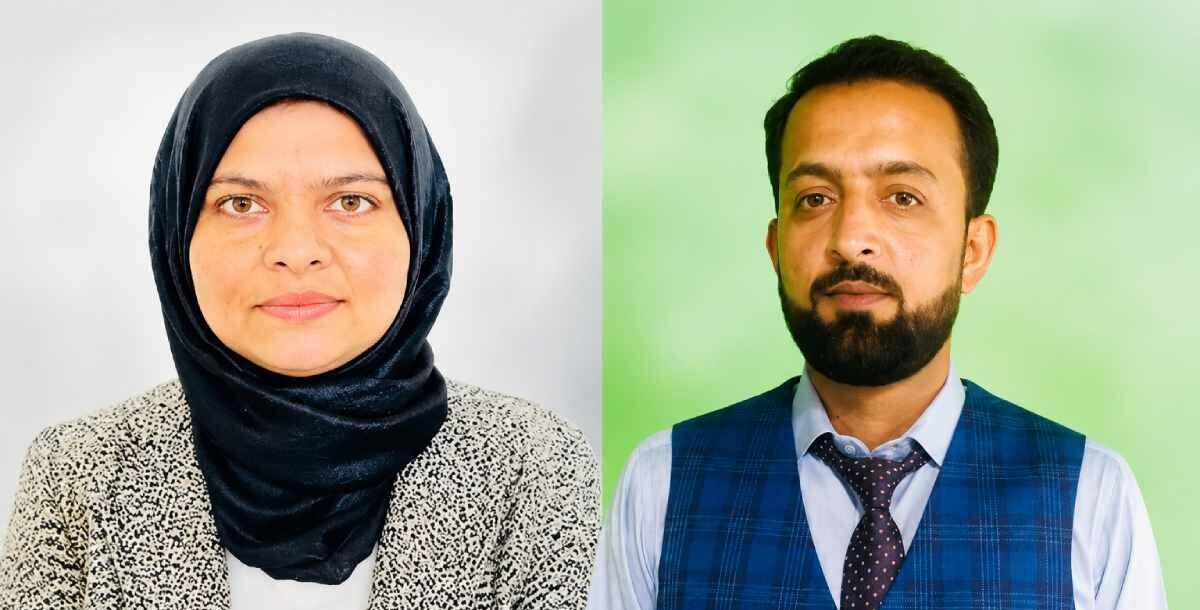
Two young scientists from Sher-e-Kashmir University of Agricultural Sciences and Technology of Kashmir (SKUAST-K) have secured the prestigious Anusandhan National Research Foundation (ANRF) National Post-Doctoral Fellowships for cutting-edge research in agriculture and healthcare. Dr Aasiya Nabi, a plant pathology researcher and former Nehru-Fulbright Doctoral Fellow, will study the molecular basis of resistance to bean anthracnose with the aim of developing disease-resistant bean varieties. Dr Sofi Imtiyaz Ali will work on an indigenous bioengineered wound dressing that combines an earthworm-derived tissue scaffold with therapeutic agents to improve healing of chronic diabetic ulcers.
National Highway toll collections in Jammu and Kashmir totalled Rs 1,657.94 crore over five years, rising from Rs 108.75 crore (2020-21) to Rs 194.81 crore (2021-22), Rs 409.96 crore (2022-23), Rs 436.86 crore (2023-24) and a record Rs 507.56 crore (2024-25).
MUMBAI
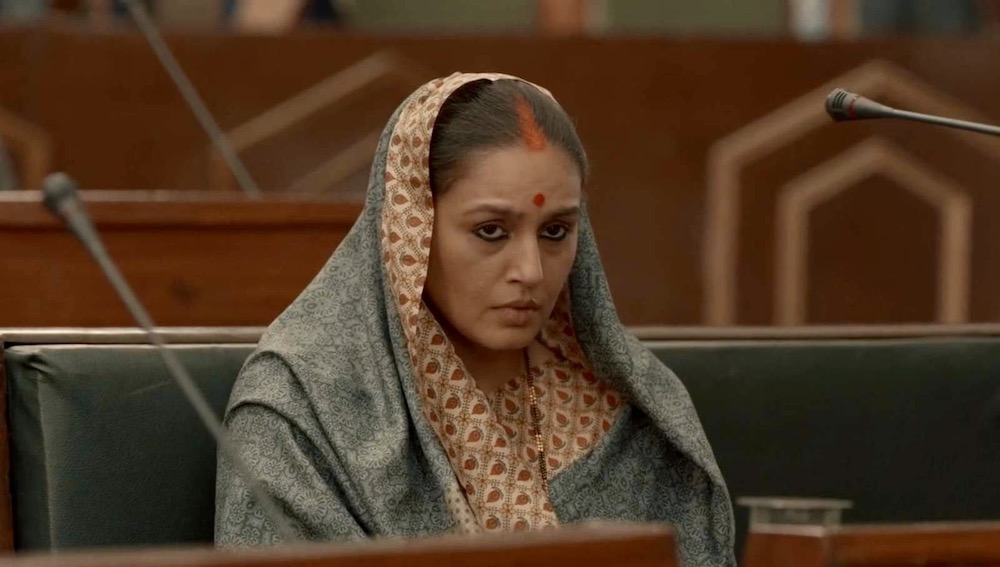
Huma Qureshi’s relationship with Kashmir is personal. Her mother belongs to Gurez, making the Valley her nanihal, a connection she invokes almost every time she visits. In Jammu to promote Baby Do Die Do, she declared that Kashmir had “changed tremendously” and expressed a desire to contribute to its future by bringing film shoots, creative collaborations and opportunities for local youth. She also recalled filming three seasons of Maharani in the region and praised the warmth she receives from audiences. Yet, celebrity endorsements of Kashmir’s trajectory often rest on fleeting visits tied to film promotions and official engagements. However well-intentioned, they inevitably simplify a place whose political, social and economic realities remain far more layered than the optimistic narratives celebrities are frequently invited to amplify.
Jammu and Kashmir recorded 120 cybercrime cases in 2020, 154 in 2021, 173 in 2022, 185 in 2023 and 114 in 2024, marking a rare year-on-year decline after four consecutive years of increase.
KASHMIR
Omar Abdullah has questioned the sweeping security crackdown launched after the killing of cop Ashiq Hussain Qureshi in Anantnag, warning that demolishing houses and detaining thousands of suspected Over Ground Workers could prove counterproductive. While acknowledging the police’s anger over the killing, the Chief Minister said the Supreme Court had ruled against summary punitive action and argued that such measures would only alienate the very people whose support is crucial to ending militancy. He recalled intervening with the Centre to halt similar demolitions after last year’s Pahalgam attack, when investigations later found the attackers were not locals. His remarks came as security forces razed the houses of two alleged memebrs of proscribed Lashkar-e-Taiba and detained more than 2,500 suspected OGWs across Kashmir. Peoples Conference president Sajad Lone also criticised the crackdown, calling mass detentions based on old OGW lists “community punishment” that undermines principles of reintegration and raises serious legal and civil liberties concerns.
Since 2016, farmers in Jammu and Kashmir have received Rs 209.36 crore under PMFBY against Rs 217.18 crore in claims. Annual payouts include that of Rs 9.82 crore (2016-17), Rs 27.15 crore (2017-18), nil (2018-19), Rs 52.72 crore (2019-20), Rs 6.34 crore (2020-21), Rs 35.16 crore (2021-22), Rs 26.56 crore (2022-23) and Rs 51.61 crore (2023-24).
KASHMIR
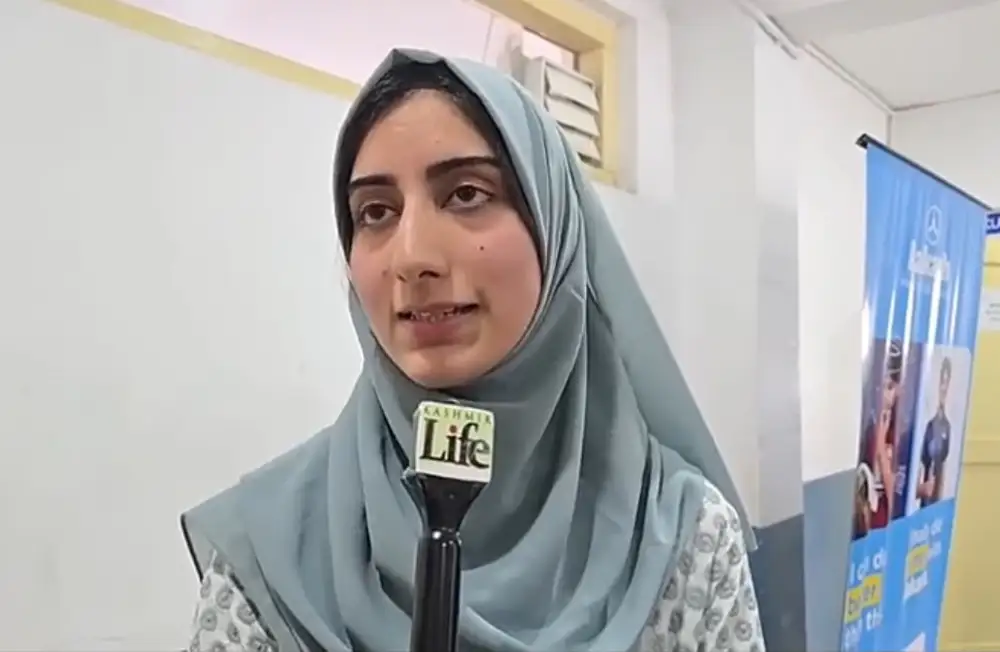
Jammu and Kashmir’s best-ever NEET-UG performances this year came from south Kashmir’s Anantnag district, with Hadiya Nisar securing All India Rank (AIR) 99 and Zaidan Wani finishing close behind at AIR 124, both with a 99.9931 percentile and among only 138 candidates nationwide to score 690 or more marks.
Hadiya attributed her success to disciplined preparation, effective use of standard study material and the guidance of her parents and teachers, advising aspirants to trust mentors rather than blindly follow toppers. Zaidan described his achievement as an emotional milestone after years of preparation and reminded unsuccessful candidates that “NEET is not the end of the world.” Their performances underscore Jammu and Kashmir’s growing competitiveness in national-level medical entrance examinations and place Anantnag firmly on the country’s academic map.
Under the 23rd PM-KISAN instalment, 8,67,973 farmers in Jammu and Kashmir received Rs 173.60 crore, while 18,340 farmers in Ladakh received Rs 3.67 crore between April and July this year.
DELHI
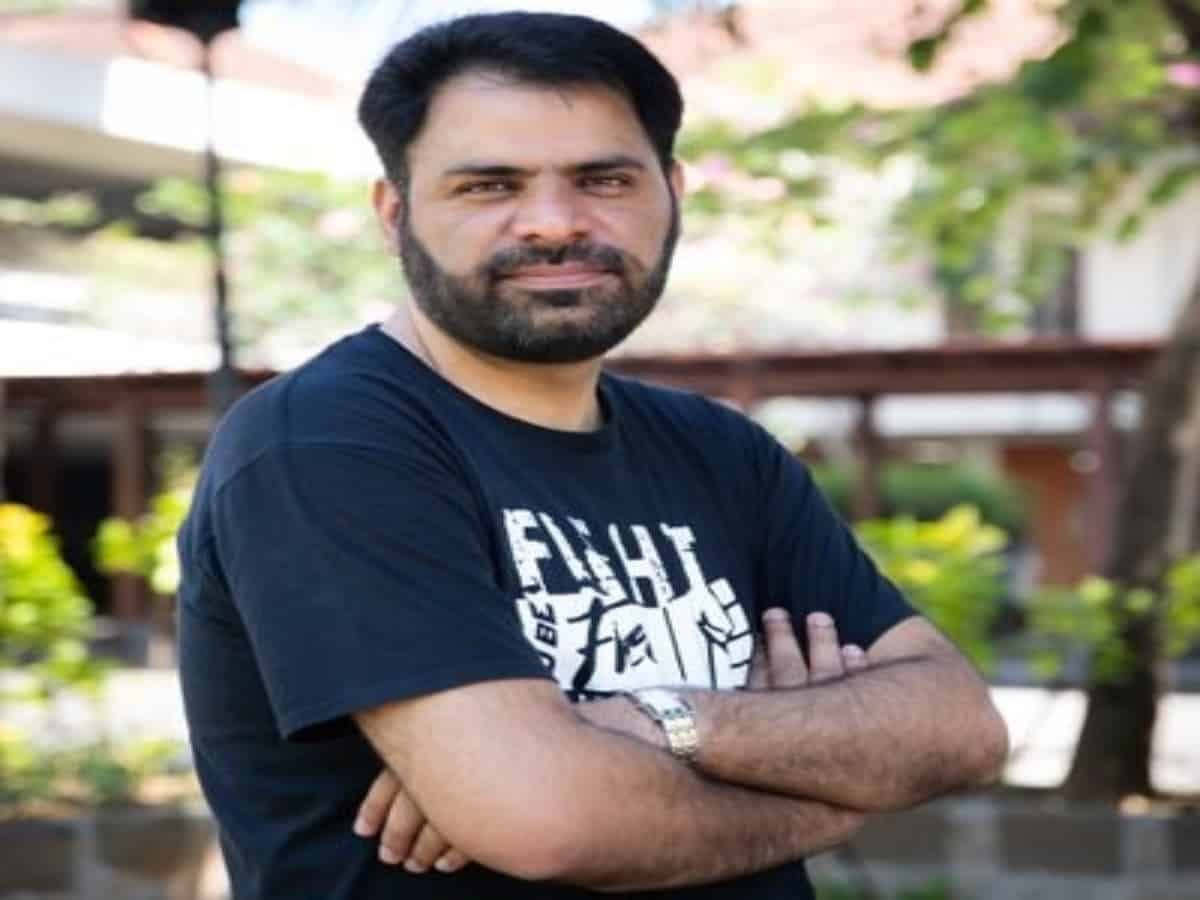
Human rights activist Khurram Parvez and Kashmiri journalist Irfan Mehraj were finally released after the Delhi High Court declined to stay a trial court order granting them bail in an NIA case under the Unlawful Activities (Prevention) Act (UAPA). While observing that the trial court had not adequately addressed the statutory requirements under Section 43D(5) of the UAPA, the division bench chose not to suspend the bail and instead imposed stricter conditions. Both have been directed to report to the investigating officer twice a week and barred from contacting persons named in the chargesheet or associating with the Jammu Kashmir Coalition of Civil Society (JKCCS) and allied organisations. The NIA, which alleges that certain NGOs channelled funds to militant groups under the guise of charitable work, has challenged the bail order. The High Court will continue hearing the agency’s appeal on August 23 while the trial proceeds.
Jammu and Kashmir used 24.73 per cent of its annual extractable groundwater resources in 2025, up from 22.28 per cent in 2024 but well below the national average of 60.63 per cent and lower than 29.47 per cent in 2017.
JAMMU

Jammu’s sporting infrastructure has received a major boost with the operational launch of a 50-metre all-weather indoor swimming pool at MA Stadium, the first international-standard facility of its kind in the region. Built under the Languishing Projects Scheme after years of delay, the pool replaces the ageing 25-metre facility and features modern filtration and climate-control systems, enabling year-round training under competition-standard conditions. The venue made its debut by hosting selection trials for the national junior and sub-junior championships. The facility is expected to reduce training costs for families, eliminate dependence on private pools, and provide aspiring swimmers with professional coaching and an environment that matches national and international competition standards.
Jammu and Kashmir reported 969 snakebite cases and 13 deaths in 2023, 1,239 cases and 18 deaths in 2024, and 1,165 cases with eight deaths in 2025, indicating a sharp decline in fatalities despite consistently high incidence.
SRINAGAR
Sixteen children have been “rescued” from an unregistered orphanage in Srinagar and shifted to a government-recognised Child Care Institution after authorities found the facility operating in violation of the Juvenile Justice (Care and Protection of Children) Act, 2015. The action followed an anonymous complaint and a preliminary inquiry by the Child Welfare Committee (CWC), which ordered the immediate relocation of the children from Shahi Baghdadi Yateem Trust in Eidgah to a registered shelter in Bemina.