DELHI: The Indian government has acknowledged the alarming rise in obesity and overweight cases, particularly among children and adolescents, as highlighted in a recent Lancet study. The findings project that by 2050, 16 per cent of Indian boys and 14 per cent of girls will be obese, a sharp rise from the figures recorded in 1990. The government has outlined a series of measures, including stricter food labelling laws, school-based interventions, and campaigns to promote healthier eating and physical activity, to address this growing health crisis.
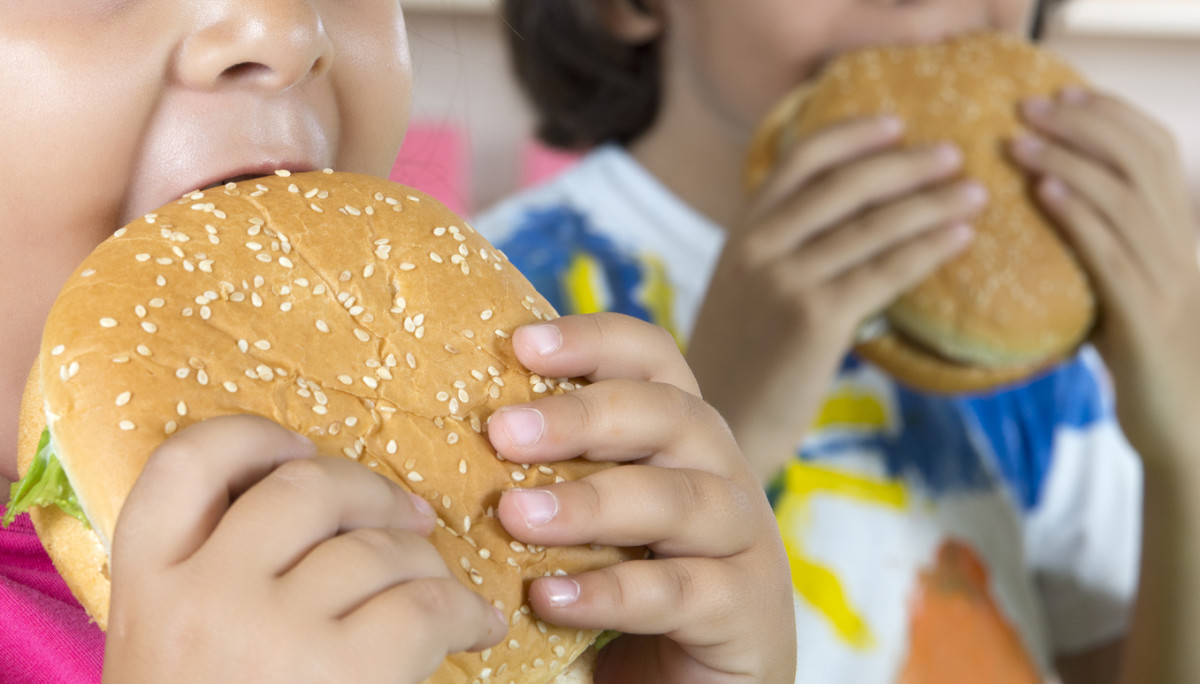
The National Family Health Survey-5 (2019-21) reported that 24 per cent of Indian women and 23 per cent of men are overweight or obese, while 3.4 per cent of children under five years are overweight. The Indian Council of Medical Research’s National Non-Communicable Diseases Monitoring Survey (2017-18) found obesity prevalence among adults aged 18-69 to be 6.2 per cent. Unhealthy diets, sedentary lifestyles, and urbanisation have been identified as key contributors to this trend.
To address the issue, the government has implemented multiple interventions. The Eat Right Movement, launched by the Food Safety and Standards Authority of India (FSSAI), educates citizens on healthy eating habits and the risks associated with excessive consumption of foods high in salt, sugar, and fat. The Fit India Movement promotes physical activity, while the National Programme for Prevention and Control of Non-Communicable Diseases (NP-NCD) organises wellness activities, awareness campaigns, and health fairs. The government has also introduced school-based policies restricting the sale of high-fat, high-sugar foods within 50 metres of school campuses and promoting balanced diets among children.
Additionally, FSSAI has imposed regulations mandating nutritional labelling on packaged foods, with clear indications of daily recommended allowances. The government has also phased out industrial trans fats, limiting them to less than two per cent, and launched public awareness initiatives such as the “Aaj Se Thoda Kam” campaign to encourage reduced intake of unhealthy foods. More than 400 Eat Right Melas have been conducted across the country to promote healthier food choices.
With obesity becoming a pressing public health challenge, experts stress the need for continued policy action, public awareness, and lifestyle changes to curb its rise.