by Dr Mehnaz Rashid
On International Mother Language Day, the author urges balanced bilingualism, embracing English for opportunity while preserving Kashmiri as a living source of identity and cultural continuity
As the world observes International Mother Language Day, the 2026 theme, Youth Voices on Multilingual Education, invites us to reflect on the languages we inherit, the languages we learn, and the languages we choose to carry forward. In an era shaped by migration, digital connectivity, and evolving educational priorities, multilingualism is no longer viewed merely as a social reality but as a defining human strength and a powerful educational approach.
Across India, and particularly in Jammu and Kashmir, English has increasingly become the language of ambition and opportunity. Its presence is deeply visible in classrooms, competitive examinations, job interviews, and online communication. For many students, fluency in English determines whether they are heard or overlooked. We cannot deny this reality: English opens doors. It connects learners with global knowledge, provides access to digital platforms, and enables them to stand shoulder to shoulder with peers worldwide. In a region striving to rebuild, reconnect, and rise, English is not a threat but a tool of empowerment that must be embraced with confidence and purpose.
Yet, within this embrace lies a quiet concern. In our pursuit of English, we must not allow our mother tongue to fade into the background. Kashmiri is not merely a language; it is a living archive of our history, identity, and emotional expression. It resonates in our folk songs, breathes through our poetry, echoes in the wisdom of our elders, and flavours the cultural memory that shapes who we are.
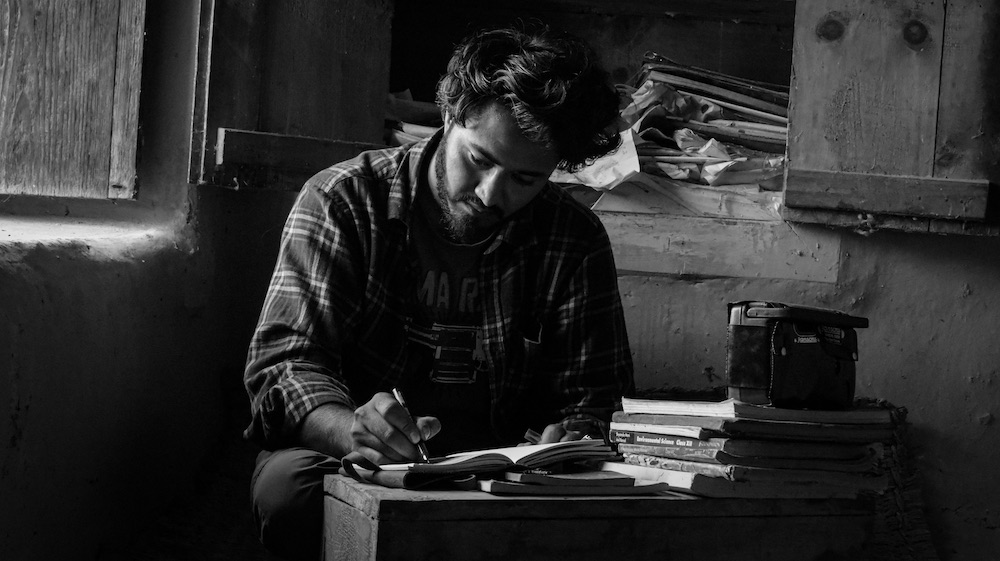
The global conversation around multilingual education highlights the urgency of this balance. Young people today play a transformative role in defending and revitalising their languages. They create digital content, share stories online, and use technology to make linguistic diversity visible and valued. Through these acts, youth reinforce the deep connection between language, identity, learning, emotional well-being, and meaningful participation in society.
However, challenges remain significant. Nearly 40% of learners worldwide still lack access to education in a language they understand best, with indigenous, migrant, and minority communities most affected. This gap is not merely academic; it impacts confidence, belonging, and cultural continuity. For regions like ours, where linguistic heritage is rich yet vulnerable, this reality carries particular resonance.
First proclaimed by UNESCO and later adopted by the United Nations General Assembly, International Mother Language Day underscores the role of languages in promoting inclusion, cultural preservation, and the achievement of global educational goals. Multilingual education is therefore not simply a pedagogical preference; it is a pathway to equity, effective learning, and the safeguarding of minority and indigenous languages.

If we begin to treat Kashmiri as a relic rather than a living reality, we risk losing something irreplaceable. What stands endangered is not just vocabulary, but our emotional memory, those untranslatable words, gentle humour, layered metaphors, lullabies, and inherited wisdom that no foreign language can fully carry.
The question, then, is not English or Kashmiri. The answer lies in English and Kashmiri.
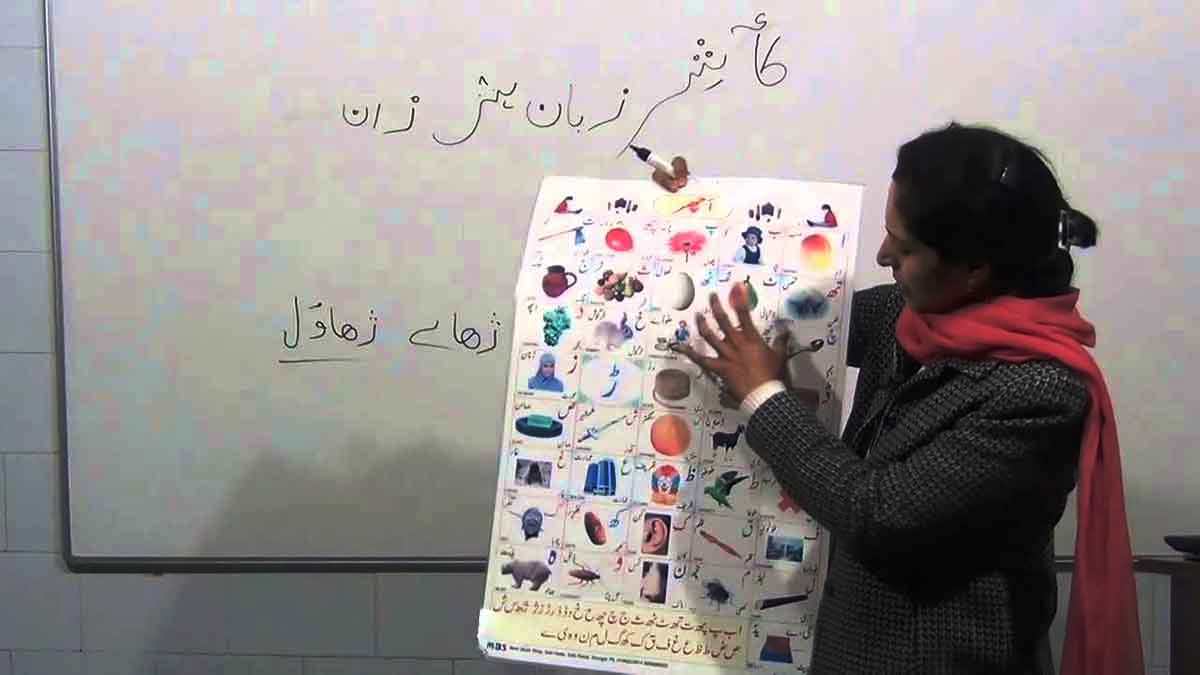
The way forward is bilingual pride. Let English remain our passport to the world, but let Kashmiri remain our home. Our educational institutions, policymakers, and families must nurture this balance. We may read William Shakespeare, yet we must also recite the verses of Habba Khatoon. We may publish research in English, but we should never hesitate to speak our deepest emotions in Kashmiri.
Revival does not demand revolution. It begins with small yet meaningful acts: speaking Kashmiri at home, teaching it in schools, encouraging local writers, preserving oral histories, and reminding ourselves that no language is “backward” when it carries the weight of a civilisation.
Languages rarely disappear overnight. They fade quietly when we stop using them, stop valuing them, or begin to feel ashamed of them. The responsibility to protect Kashmiri rests with us, not merely as speakers but as inheritors of a timeless legacy.
As youth voices across the world call for inclusive multilingual education, their message resonates deeply in our context: linguistic diversity is not a barrier but a strength. It enriches learning, strengthens identity, and builds bridges between cultures.
Let us walk forward with English in our minds and Kashmiri in our hearts. One connects us to the world; the other reminds us who we are.
(Dr Mehnaz Rashid holds a PhD in Linguistics and is currently a faculty member at one of the reputed schools of Kashmir.)