by Muneer Ahmad
An exploration of gratitude’s transformative power, highlighting everyday blessings, resilience during hardship, spiritual insight, and the importance of appreciating life with humility.
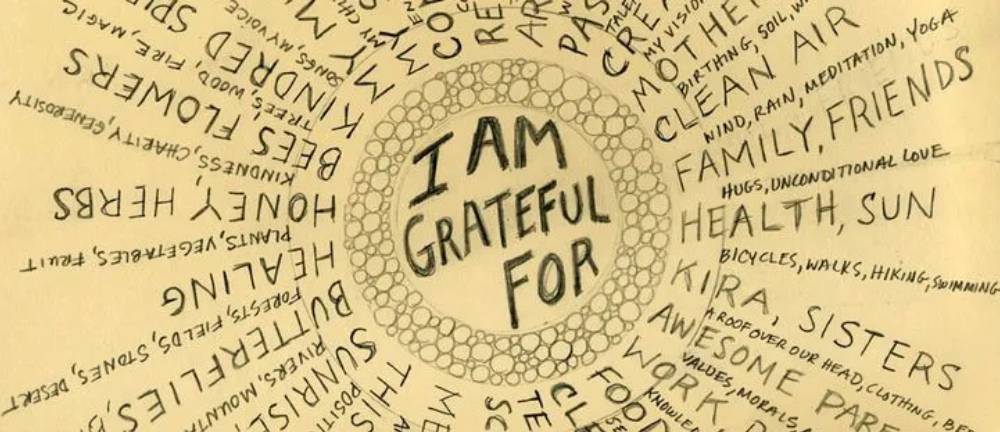
In a world shaped by ambition, speed, and constant comparison, it is often the simplest blessings that slip quietly into the background. Modern life encourages people to measure success through achievements, possessions, and recognition, leaving little room to appreciate what already exists. Yet, across cultures, philosophies, and faith traditions, gratitude has long been regarded as a powerful force, one capable of transforming not only how individuals perceive life, but how they experience it.
Consider, for a moment, the unnoticed privileges of an ordinary day: the ability to sleep peacefully and wake up refreshed; to walk freely without assistance; to see the colours of the sky, the faces of loved ones, and the beauty of the natural world. These are not merely routine occurrences; they are profound gifts. However, because they are constant, they are often overlooked. Gratitude begins with recognising that what feels ordinary is, in truth, extraordinary.
Within Islamic thought, gratitude, or shukr, occupies a central role. The Qur’an repeatedly calls upon believers to acknowledge and appreciate the countless blessings bestowed upon them. In Surah Ibrahim (14:7), it is stated: “If you are grateful, I will surely increase you [in favour].” Similarly, Surah Luqman (31:12) reminds: “Be grateful to Allah. And whoever is grateful is grateful for the benefit of himself.” These verses highlight an essential truth: gratitude is not merely an expression of thanks, but a way of life that enriches the individual spiritually and emotionally.
This understanding is not limited to religious teachings. Throughout history, thinkers and writers have echoed similar sentiments. The Roman philosopher Cicero described gratitude as “not only the greatest of virtues, but the parent of all others.” In modern times, author Melody Beattie observed that “gratitude unlocks the fullness of life.” Such reflections reveal a universal principle: gratitude shifts perspective. It moves the focus from what is lacking to what is present, from dissatisfaction to contentment.

Health, for instance, is one of the most significant yet underappreciated blessings. The ability to breathe easily, to move without pain, and to carry out daily activities often goes unnoticed until it is compromised. When individuals pause to acknowledge these silent mercies, they develop a deeper awareness of life’s fragility and value. This awareness, in turn, fosters humility and mindfulness, encouraging people to live more fully in the present moment.
However, the true depth of gratitude is revealed not in times of ease but in moments of difficulty. It is easy to be thankful when life unfolds according to one’s expectations. The real challenge lies in maintaining a sense of gratitude when faced with disappointment, failure, or loss.
Consider the experience of a student who fails an exam or does not achieve the expected marks. In the immediate aftermath, such a setback can feel devastating, shaking confidence and creating a sense of hopelessness. Yet, with time and reflection, many come to understand that these moments often carry hidden lessons. They encourage resilience, discipline, and a reassessment of goals. What appears to be failure may, in reality, be a redirection toward a more suitable path.
Similarly, not being selected for a desired job can lead to deep frustration and self-doubt. The effort invested may seem wasted, and the rejection may feel personal. However, gratitude in such circumstances does not dismiss the pain; it reframes it. It allows individuals to recognise the skills they have gained, the perseverance they have demonstrated, and the possibility that better opportunities may lie ahead. Many people, looking back, realise that the opportunities they missed were not aligned with their long-term growth.
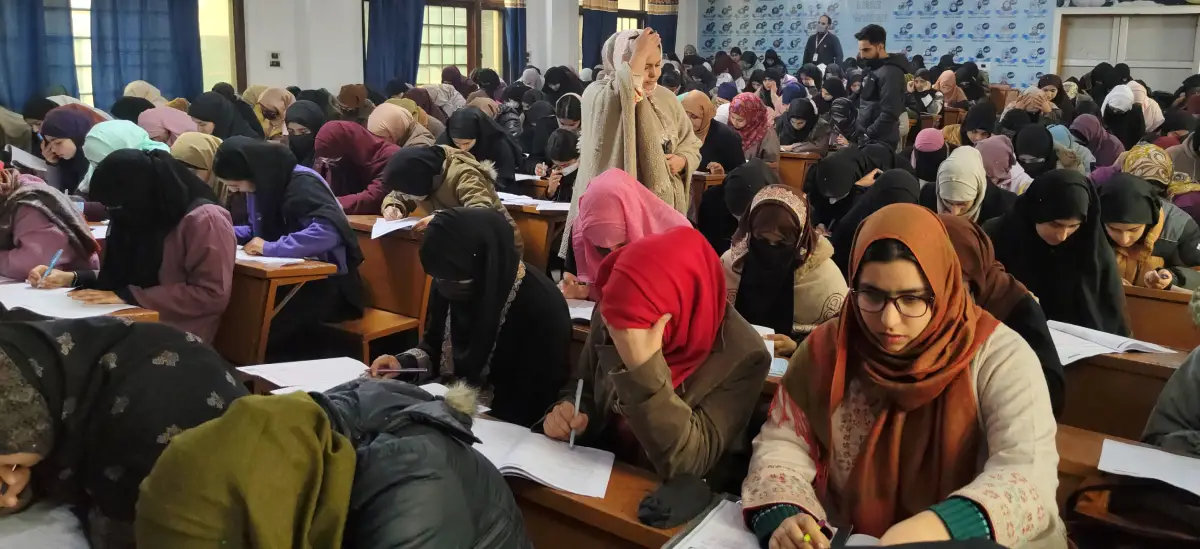
Competitive exams present another significant challenge. For many, they represent years of preparation, sacrifice, and hope. Failing to succeed can be disheartening. Yet, even in such situations, gratitude has a place. The journey itself builds knowledge, discipline, and strength—qualities that remain valuable regardless of the outcome. These experiences often prepare individuals for alternative paths where they can thrive.
In the realm of business, setbacks are common and often unavoidable. Financial losses, failed ventures, and unexpected challenges can test one’s resolve. In such moments, gratitude may seem distant. However, it can serve as a stabilising force. By focusing on lessons learned rather than losses incurred, individuals can transform failure into a foundation for future success. Many successful entrepreneurs attribute their achievements to the insights gained from earlier failures.
There are also deeply personal trials that go beyond professional or academic setbacks. The pain of not having children, for instance, is a sensitive and emotional experience that cannot be easily resolved. Gratitude in such situations does not mean ignoring grief or forcing positivity. Instead, it coexists with the pain, offering a gentle shift in perspective. It may involve appreciating other relationships, finding purpose in different roles, or recognising the many ways one can contribute to the lives of others.
In all these circumstances, gratitude is not about denying hardship or pretending that everything is fine. Rather, it is about maintaining a broader perspective, one that acknowledges both struggle and blessing. It is a quiet strength that enables individuals to endure difficulties without losing hope.
Modern psychology supports this perspective. Research has shown that practising gratitude can improve mental well-being, reduce stress, and enhance resilience. Individuals who consciously focus on what they have, rather than what they lack, tend to experience greater satisfaction and emotional stability. Gratitude also strengthens relationships, as it fosters appreciation and empathy.
Despite its benefits, gratitude requires intention, especially in a world filled with distractions. It is not something that happens automatically; it must be cultivated. Simple practices such as reflecting on daily blessings, expressing thanks, or taking moments of pause can gradually shift one’s mindset. Over time, these small acts can lead to profound changes in how life is perceived and experienced.
Ultimately, the ability to live, move, see, and connect with others is not guaranteed. Recognising these as blessings, rather than entitlements, is where gratitude begins. From this awareness grows a deeper sense of contentment and peace.

As life unfolds with its inevitable mix of joy and hardship, gratitude remains a steady companion. It does not remove challenges, but it changes how they are faced. It transforms ordinary moments into meaningful experiences and helps individuals find light even in times of darkness.
In the end, perhaps the greatest act is not in constantly seeking more, but in learning to see clearly what is already present. Within that realisation lies the quiet, enduring power of gratitude—a power that enriches the soul, strengthens the heart, and brings a sense of fulfilment that no external achievement can replace.
(The author has a master’s in psychology and is pursuing a master’s in education from the University of Kashmir. Ideas are personal.)