by Iqbal Ahmad
Kharosthi, an ancient right-to-left script, preserves Jammu and Kashmir’s rich epigraphic heritage, offering invaluable insights into the region’s history, culture, trade, and governance.
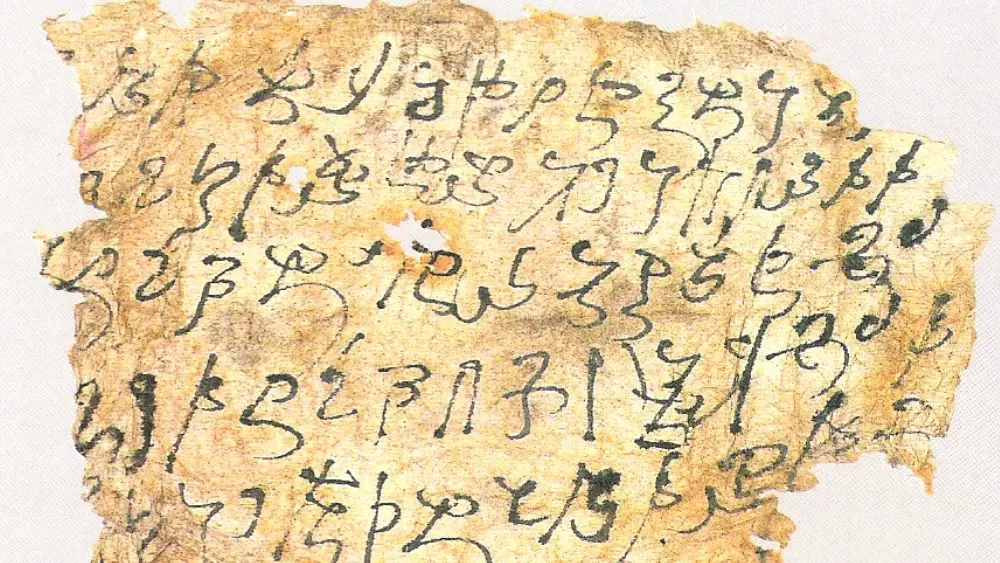
The story of ancient scripts and languages is one of the most fascinating chapters in human civilisation. Throughout history, many scripts and languages have gradually disappeared or become obsolete as societies evolved and adopted newer forms of writing and communication. Just as scientific inventions and technologies are continuously replaced by more advanced innovations, languages and scripts have also undergone significant transformation over time.
The history of writing is as old as civilisation itself. Since prehistoric times, people have inscribed their thoughts, beliefs, royal decrees, and religious messages on rocks, metal objects, clay tablets, and other durable materials. With the growth of archaeological research, thousands of inscriptions written in a variety of ancient scripts and languages have been discovered across the world.
The work of discovering, documenting, and deciphering inscriptions continues even today. In India, the Epigraphy Branch of the Archaeological Survey of India has identified and documented hundreds of inscriptions, including the famous rock and pillar edicts of Emperor Ashoka. Despite these remarkable achievements, many ancient inscriptions and scripts still remain mysterious and undeciphered.
The Indus Script
Among the oldest writing systems of the Indian subcontinent is the Indus script of the Indus Valley Civilisation. Despite more than a century of research by archaeologists, linguists, and epigraphists, it has not yet been deciphered. While most other ancient scripts found in South Asia have been successfully read, the Indus script continues to challenge scholars and remains one of archaeology’s greatest mysteries.
Scripts of Jammu and Kashmir
Jammu and Kashmir possesses a rich epigraphic heritage. Inscriptions written in Kharosthi, Brahmi, Sharada, Persian, and Arabic have been discovered and deciphered from different parts of the region. These scripts served as important media for recording administrative orders, religious teachings, literary works, and commercial transactions over many centuries.
Among them, Kharosthi occupies a unique place because, like Arabic and Persian, it was written from right to left, unlike most ancient Indian scripts.
Kharosthi Script
Most scholars believe that Kharosthi flourished in the north-western regions of the Indian subcontinent, including present-day Pakistan, Jammu and Kashmir, Afghanistan, and parts of Central Asia. It was primarily used to write Prakrit and Gandhari, although a limited number of Sanskrit inscriptions are also known.
Scholars differ on the origin of Kharosthi. While some believe that it evolved gradually, others suggest that it may have been deliberately designed by a single scholar. Most researchers agree that the script shows a strong influence of the Aramaic alphabet, which reached the region during the Achaemenid Empire in the fifth century BC and was subsequently modified to suit the sounds of Indic languages.
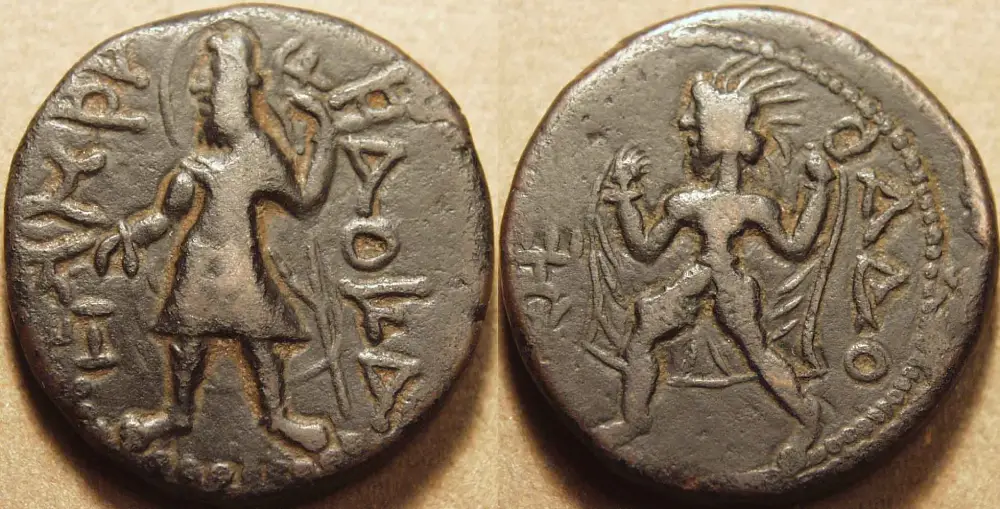
Kharosthi emerged during the Mauryan period in the third century BC and remained in use until about the third century AD, particularly during the Kushan Empire. Besides the Mauryas, it was employed by the Indo-Greeks, Indo-Scythians, Indo-Parthians, and the early Kushan rulers, whose silver and copper coins bear legends in Kharosthi.
Decipherment of the Script
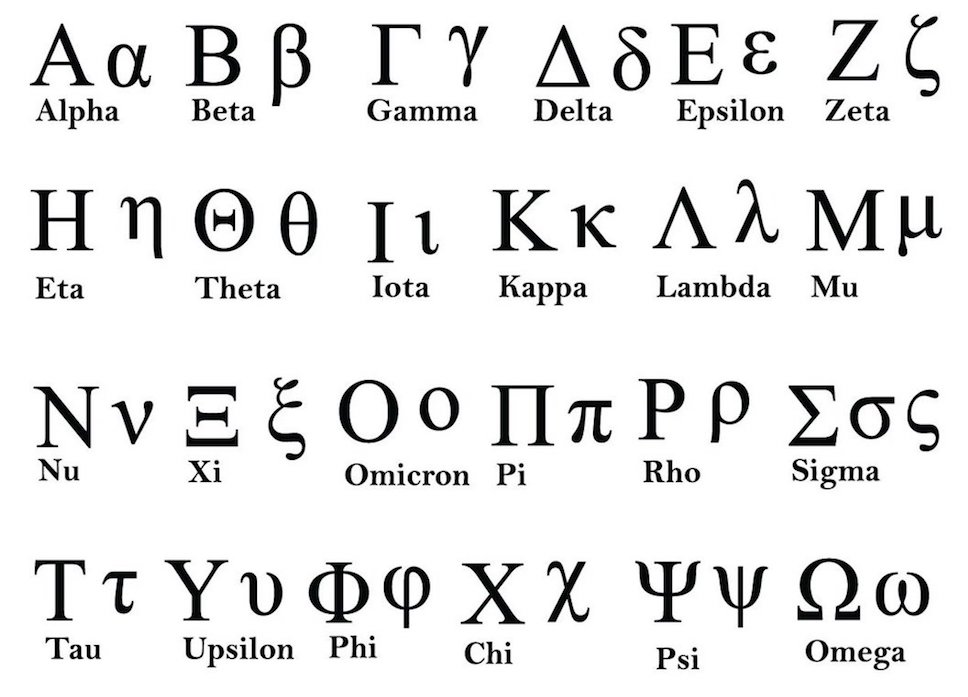
Kharosthi was deciphered during the early nineteenth century by the distinguished British scholar James Prinsep (1799–1840). He achieved this breakthrough by studying bilingual Indo-Greek coins bearing Greek inscriptions on one side and Kharosthi inscriptions on the other. Since the Greek legends could already be read, Prinsep was able to identify the corresponding Kharosthi text, which ultimately led to the decipherment of Ashokan inscriptions written in Kharosthi from north-western India.
Numerous examples of Kharosthi have been discovered in Jammu and Kashmir. The script appears on coins issued by Indo-Greek, Indo-Scythian, Indo-Parthian, and early Kushan rulers such as Kujula Kadphises, Vima Takto, and Vima Kadphises. During the reign of Kanishka, however, Kharosthi gradually disappeared from coin legends, giving way to the Bactrian language written in the Greek script.
The reverse sides of many of these coins carry Kharosthi inscriptions in Prakrit, bearing royal titles such as Rajadirajasa (“King of Kings”) and Maharajasa (“Great King”).
Rare coins of the Indo-Greek kings Apollodotus and Menander, discovered in Kashmir, also bear Greek inscriptions on the obverse and Kharosthi legends on the reverse.
Rock inscriptions in Kharosthi have been recorded at numerous locations in Hunza and Nagar along the Karakoram region. The pioneering explorer Sir Aurel Stein was among the first scholars to document this remarkable heritage. Later, an extensive survey of the Karakoram inscriptions was undertaken by a German team of scholars under the guidance of the renowned Pakistani archaeologist Ahmad Hasan Dani, resulting in the monumental publication Human Records on Karakoram Highway.
A Kharosthi inscription mentioning the Kushan ruler Vima Kadphises was discovered at Khalatse in Ladakh. Archaeologists have also reported a pottery object bearing the name of the Indo-Greek king Menander in Kharosthi from Semthan, Bijbehara, in south Kashmir.
Kharosthi numerals have likewise been found on terracotta tiles recovered from archaeological sites such as Harwan, Ushkur, Kotebal, and Semthan, dating mainly to the first and second centuries AD.
Preserving Epigraphic Heritage

Although Kharosthi became obsolete nearly seventeen centuries ago and there is little possibility of its revival, its historical importance remains immense. Every inscription, coin, pottery fragment, and terracotta tile bearing this script represents an invaluable record of our past.
As a civilised society, it is our collective responsibility to explore, document, preserve, and protect this remarkable epigraphic heritage. By doing so, we ensure that future generations will continue to appreciate and study this forgotten chapter in the history of Jammu and Kashmir and the Indian subcontinent.
(The author is a archaeologist. Ideas are personal.)