by Dr Farooq A Lone
The prolonged vacancy at the JKPSC threatens institutional continuity and recruitment efficiency. The Government must ensure timely appointments, use constitutional interim provisions, and provide young aspirants with a fair recruitment system.
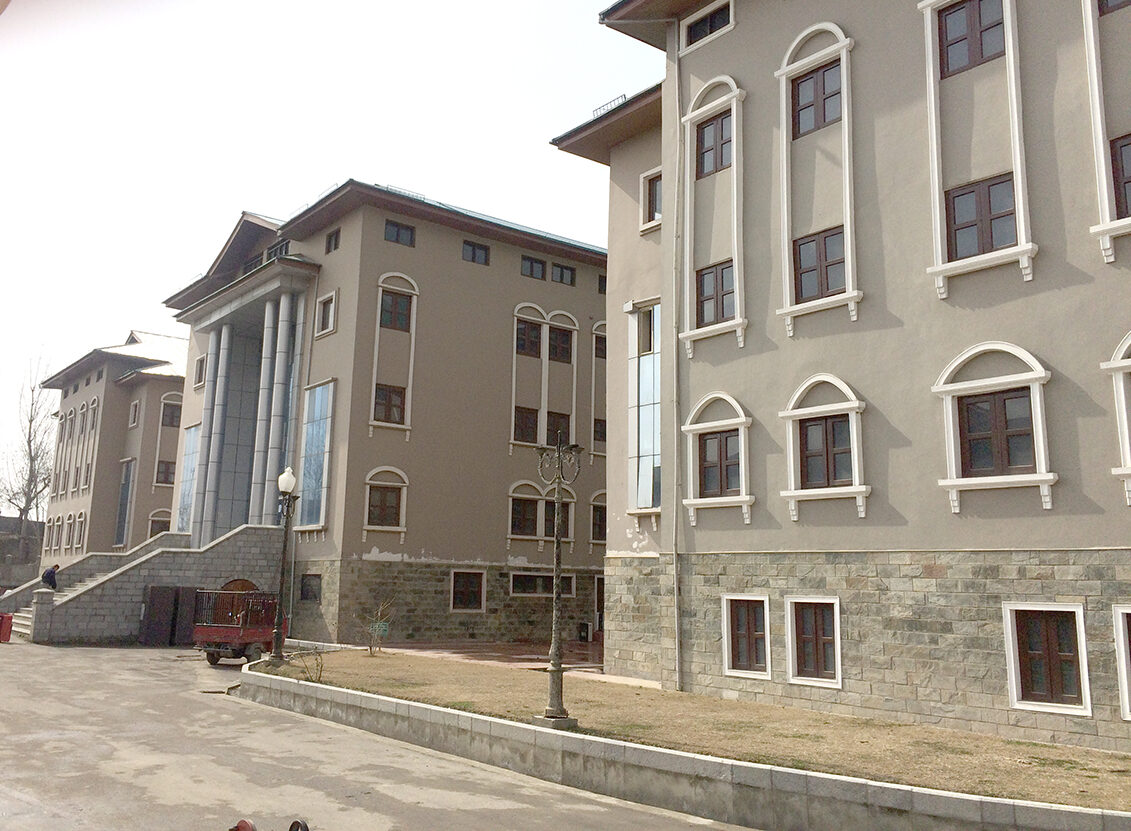
The continued vacancy in the office of the Chairman of the Jammu and Kashmir Public Service Commission (JKPSC) for around two and a half months is a matter of serious concern. An institution entrusted with the responsibility of selecting and recommending candidates for gazetted positions in important government departments cannot be allowed to remain without effective leadership for such an extended period. The issue deserves urgent attention, not merely as an administrative matter but also because it has a direct bearing on the aspirations and careers of thousands of young people in Jammu and Kashmir.
With the application of the Constitution of India to Jammu and Kashmir and the reading down of the erstwhile J&K Constitution, the maximum age limit for the Chairman and Members of the Commission has effectively come down from 65 to 62 years. Under the constitutional framework, the normal tenure is six years, subject to the prescribed age limit of 62 years, whichever is earlier. This change has important implications for the choice of persons appointed to these constitutional positions.
Appointments made exclusively from among retired officers or other retired professionals, particularly those already in their sixties, result in considerably shorter tenures, usually barely two years. This not only limits the benefit of their experience but also affects institutional continuity. It would, therefore, be prudent to consider serving officers, serving professionals, academics and judicial officers of proven competence, integrity and administrative experience, wherever eligible. Such appointments could ensure longer and more productive tenures, allowing appointees sufficient time to understand the institution, introduce improvements and provide stable leadership.
Constitutional provision
Equally important is the need to invoke the constitutional provision under Article 316(1A), which enables the competent constitutional authority to appoint one of the serving members of the Commission to perform the duties of the Chairman when the office falls vacant, until a regular appointment is made. There is little justification for allowing an institution of such significance to remain without a functional head when the Constitution itself provides an interim arrangement to address precisely such a situation. This provision should be invoked, as and when required, to ensure continuity of institutional functioning and avoid unnecessary administrative uncertainty.
The JKPSC is not an ordinary government department. It is a constitutional institution that safeguards merit, fairness and transparency in public recruitment. Its functioning has a direct bearing on the future of educated youth, the quality of public administration and public confidence in the recruitment process. Delays in its leadership and functioning can have consequences far beyond the institution itself.
The Government must, therefore, demonstrate a greater sense of urgency and institutional sensitivity. Important constitutional bodies cannot be treated as routine administrative appointments that can be deferred indefinitely. The interests of aspiring candidates, the credibility of the recruitment system and the larger public interest demand timely decisions.
A Public Service Commission cannot be expected to inspire confidence in a merit-based recruitment system if it is itself left without leadership. Filling the vacancy of its Chairman should be treated as an institutional priority, not an appointment awaiting administrative convenience.
Recruitment efficiency
The importance of having a regular Chairman and Members goes beyond the administrative requirement of filling vacant positions. The Commission has substantial institutional responsibilities involving the preparation and finalisation of recruitment calendars, conduct of examinations, evaluation of answer scripts, declaration of results, interviews and recommendations for appointments, as well as the conduct of Departmental Promotion Committee (DPC) meetings for the promotion of officers in various departments. These activities require coordinated decision-making, institutional oversight and timely resolution of issues that may arise during different stages of recruitment.
In a region like Jammu and Kashmir, where government employment continues to be a major aspiration among educated young people, the importance of an efficient and credible recruitment mechanism cannot be overstated. Thousands of candidates invest considerable time, resources and effort in preparing for competitive examinations. For many, these examinations represent an important opportunity for professional advancement and social mobility. Any avoidable uncertainty in the functioning of the Commission adds to their anxiety and may adversely affect their career planning.
There is also a larger governance dimension. The timely recruitment of competent officers is essential for maintaining administrative efficiency and strengthening the delivery of public services. Vacancies in government departments, particularly in academic, technical, regulatory and developmental positions, can affect the implementation of policies and programmes. An effective Public Service Commission is, therefore, not merely a recruitment agency but an important instrument of good governance.
Policy continuity
The present situation should also encourage the Government to evolve a more systematic and forward-looking policy for appointments to constitutional institutions. Such appointments should not be treated as matters to be considered only when a vacancy actually arises. A mechanism for anticipating vacancies and initiating the selection process sufficiently in advance would prevent avoidable interruptions.
It would also be worthwhile to strengthen the Commission’s institutional capacity. The interests of aspiring candidates, the credibility of the recruitment system and the larger public interest demand timely decisions.
The credibility of a constitutional institution is reflected not only in the authority vested in it but also in the seriousness with which the Government ensures its uninterrupted functioning. Jammu and Kashmir’s young people deserve a recruitment system that is predictable, impartial, efficient and responsive to their aspirations. The JKPSC must be allowed to function with the leadership and institutional stability that its constitutional stature demands. Prolonged vacancies at the highest level send an undesirable message about the priority accorded to an institution that plays such a decisive role in shaping the future of public administration.
(An IAS officer, the author retired as Chairman, Jammu and Kashmir Public Service Commission. Ideas are personal.)