by Sadaket A Malik
Through Facebook appeals and public contributions, Aqib Rather has mobilised support for five ambulances across Bhalessa’s five blocks, seeking to improve emergency transportation in remote mountainous communities.
In the remote mountain settlements of Bhalessa, emergencies often become a race against distance. For a family struggling to transport a critically ill patient, a pregnant woman requiring urgent medical attention or an accident victim awaiting hospital care, the availability of an ambulance can mean far more than convenience. It can mean the difference between reaching medical assistance in time and being left at the mercy of difficult terrain.
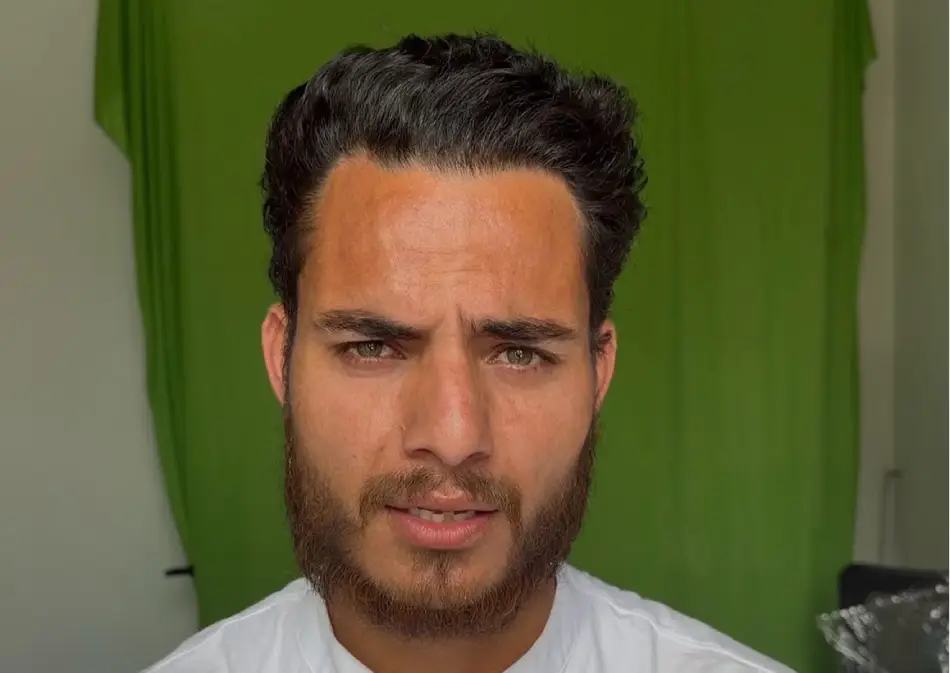
This everyday reality has inspired a young man, Aqib Rather, to launch an initiative that brings together public generosity, digital mobilisation, and humanitarian service. As Founder of the Tabuk Foundation Charitable Trust, Rather has mobilised public support through Facebook fundraising appeals and individual donations to facilitate five ambulances for the mountainous region of Bhalessa in Doda district.
What makes the initiative noteworthy is not simply the number of vehicles involved, but the manner in which the idea has been pursued. It has sought to transform a local healthcare concern into a collective public responsibility, reaching out to people through social media and inviting them to contribute towards a cause that affects communities across geographical and economic boundaries.
In a region where difficult roads and scattered habitations often complicate access to healthcare, the initiative has brought an important question into public discussion: how can communities themselves participate in addressing gaps in essential services?
Digital Mobilisation
The story of the five ambulances is also a reflection of how social media is changing the nature of philanthropy.
For years, charitable contributions in remote areas largely depended on personal networks, community gatherings and local appeals. Today, a Facebook post can travel far beyond the village from which it originates, reaching people in Jammu, Srinagar, other parts of the country and even those living outside India.
Rather has used this digital reach to seek public participation in a humanitarian project rooted in the needs of his home region. His appeals have attempted to connect individual contributions with a larger objective: ensuring that people living in Bhalessa have better access to emergency transportation.
The initiative reflects a form of grassroots leadership in which an individual identifies a community requirement, approaches the public for support and attempts to convert collective goodwill into a practical intervention.
Established in 2024, the Tabuk Foundation Charitable Trust carries the guiding message, ‘Health, Humanity and Hope’. The ambulance programme represents an effort to translate these words into a service with direct relevance to ordinary families.
For Rather, the initiative is not merely about bringing vehicles to a mountainous region. It is about building a mechanism through which people can support one another when circumstances are most difficult.
Public fundraising, however, also places a responsibility on charitable organisations to maintain transparency. Clear disclosure of donations, procurement details and operational arrangements will be important in ensuring that public confidence continues beyond the initial campaign.
Healthcare Access
Bhalessa’s geography makes emergency transportation particularly important. Spread across mountainous terrain, its villages and settlements are often separated by considerable distances, winding roads and poor connectivity.
The availability of a healthcare facility does not necessarily mean that every resident can reach it quickly. In emergencies, transportation becomes an essential part of healthcare delivery.
A pregnant woman experiencing complications, an elderly person suffering a sudden medical emergency or an accident victim in a distant habitation may require immediate transportation to the nearest appropriate medical institution.
The broader healthcare network of Doda district provides context to this challenge. A health-sector review conducted by the District Administration in August 2024 recorded 211 health facilities across the district, including an Associated Hospital of Government Medical College Doda, two Community Health Centres, one Trauma Hospital, 13 Primary Health Centres, 29 New Type Primary Health Centres, 163 Sub-Centres and two Mobile Medical Aid Centres.
A block-wise study published in 2024 also reported eight health centres in Gandoh, 11 in Changa, four in Jakyas, two in Chilli Pingal and 13 in Kahara.
Yet, healthcare accessibility cannot be measured by the number of facilities alone. Distance, road conditions, availability of transportation and the time required to reach a hospital are equally important considerations.
An ambulance cannot replace a doctor, a hospital or specialised medical treatment. But it can provide a crucial connection between a patient and the healthcare system.
For residents of remote habitations, that connection can be invaluable.
Five Blocks
The Foundation has announced a five-day inauguration programme covering the five blocks of Bhalessa.
The programme is scheduled to begin in Changa on November 15, followed by Khara on November 16, Jakyas on November 17, Chilly on November 18 and Gandoh on November 19. The ceremonies are scheduled for 10 am.
The proposed geographical distribution gives the initiative a wider regional character, rather than restricting its intended reach to a single locality.
For the people of these areas, however, the real test will begin after the inauguration ceremonies. The ambulances must remain accessible, operational and capable of responding when emergencies arise.
Their usefulness will ultimately depend on where they are stationed, how calls are received, whether trained drivers are available and how quickly vehicles can reach patients in difficult terrain.
Public Generosity
One of the most significant aspects of the initiative is the role of ordinary people in supporting it.
The campaign illustrates how public participation can help communities respond to needs that might otherwise remain inadequately addressed. Contributions made by individuals, irrespective of their financial capacity, can become part of a larger humanitarian effort.
It also demonstrates the potential of young people to use digital platforms beyond conventional social networking. Facebook, often a space for discussion and personal expression, can become a platform for raising awareness, mobilising resources and bringing people together around a shared social objective.
However, the credibility of such initiatives rests on public trust. Transparent financial records, clear information about vehicle procurement, deployment arrangements and accessible emergency contact details would strengthen the Foundation’s relationship with donors and beneficiaries.
The objective must extend beyond the ceremonial launch. The real measure of success will be the number of patients assisted, the reliability of the service and its accessibility to economically weaker families.
Beyond Inauguration
Operating an ambulance service in a mountainous region requires sustained planning and resources. Fuel, maintenance, trained drivers, emergency coordination and appropriate referral arrangements are essential to keeping the vehicles functional.
The Foundation would also benefit from establishing coordination with nearby health institutions and referral hospitals so that patients requiring specialised treatment can be transported without unnecessary delays.
Equally important is ensuring that no deserving patient is denied assistance because of an inability to pay.
Government institutions remain primarily responsible for providing public healthcare. Community-based charitable initiatives cannot substitute for that responsibility, but they can complement existing arrangements by addressing specific local requirements.
For the Tabuk Foundation, the five-ambulance initiative offers an opportunity to establish a sustainable humanitarian model based on public participation and accountable service delivery.
Youth Leadership
The story of Aqib Rather is ultimately about the possibilities of youth-led humanitarian action.
In a region where geography often determines access to essential services, an initiative that seeks to reduce the distance between patients and medical facilities carries particular significance.
Rather’s effort has brought together a foundation established in 2024, social-media fundraising and public contributions around a shared humanitarian purpose. Its wider significance lies in demonstrating how a local concern can inspire participation beyond the immediate community.
The five-day programme may mark the beginning of a new chapter for emergency transportation in Bhalessa, but the initiative’s lasting value will be determined by what happens on ordinary days, long after the inauguration ceremonies have concluded.
Will an ambulance be available when a mother needs urgent medical assistance? Will an elderly patient in a remote village be able to reach a hospital? Will a family facing an unexpected medical emergency know whom to call?
These are the questions that will define the success of the programme.
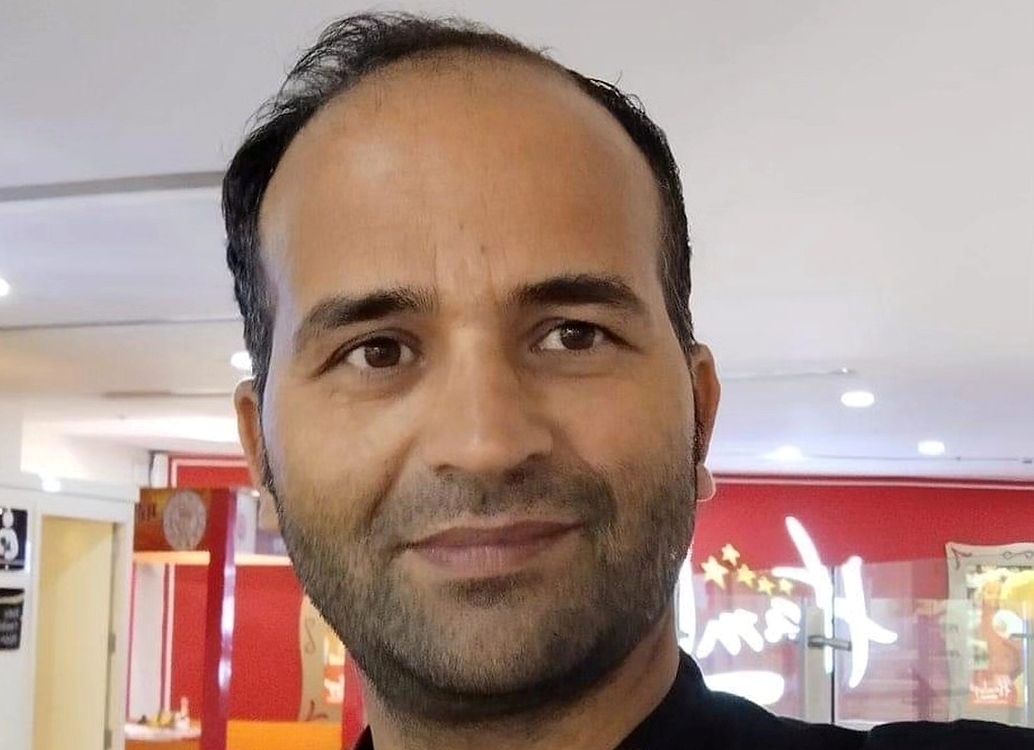
For Aqib Rather and the Tabuk Foundation Charitable Trust, the initiative represents an opportunity to turn public generosity into a dependable humanitarian service.
For the people of Bhalessa, its significance is much simpler and far more personal.
It is the hope that when a medical emergency strikes, help will not remain a distant possibility.
Five ambulances, five blocks and one shared mission: bringing humanity closer to those who need it most.
(The writer is the author of the book Cultural History of The Valley of Chenab. Ideas are personal.)