Hajj 2026 has begun in Makkah and Madinah, bringing into motion one of the world’s largest religious and logistical operations. Yet few people fully grasp the scale of preparations and service delivery coordinated by Saudi ministries and municipal authorities across the holy cities. In the first part of the Hajjnama 1447/2026 series, Asad Mirza offers an insider’s account of these preparations

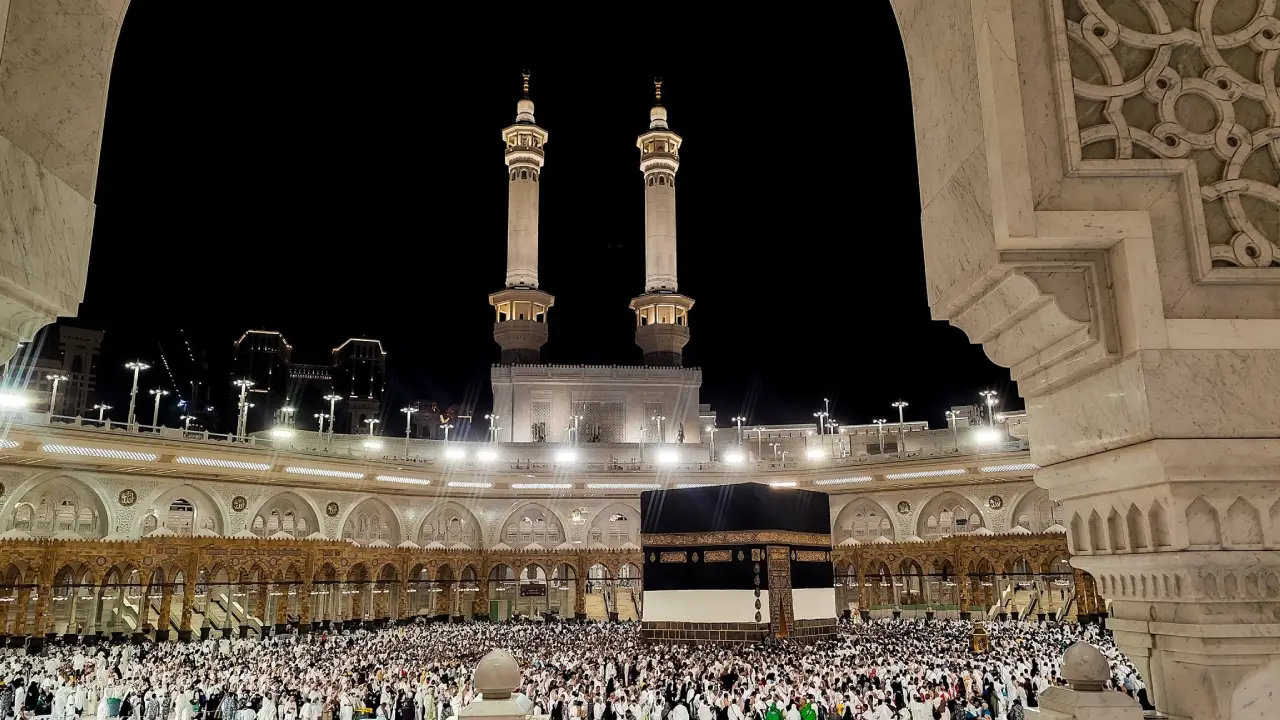
JEDDAH/MAKKAH: Moving scenes of faith are unfolding at the Grand Mosque in Makkah as pilgrims from diverse cultures and nationalities catch their first glimpse of the Holy Kaaba.
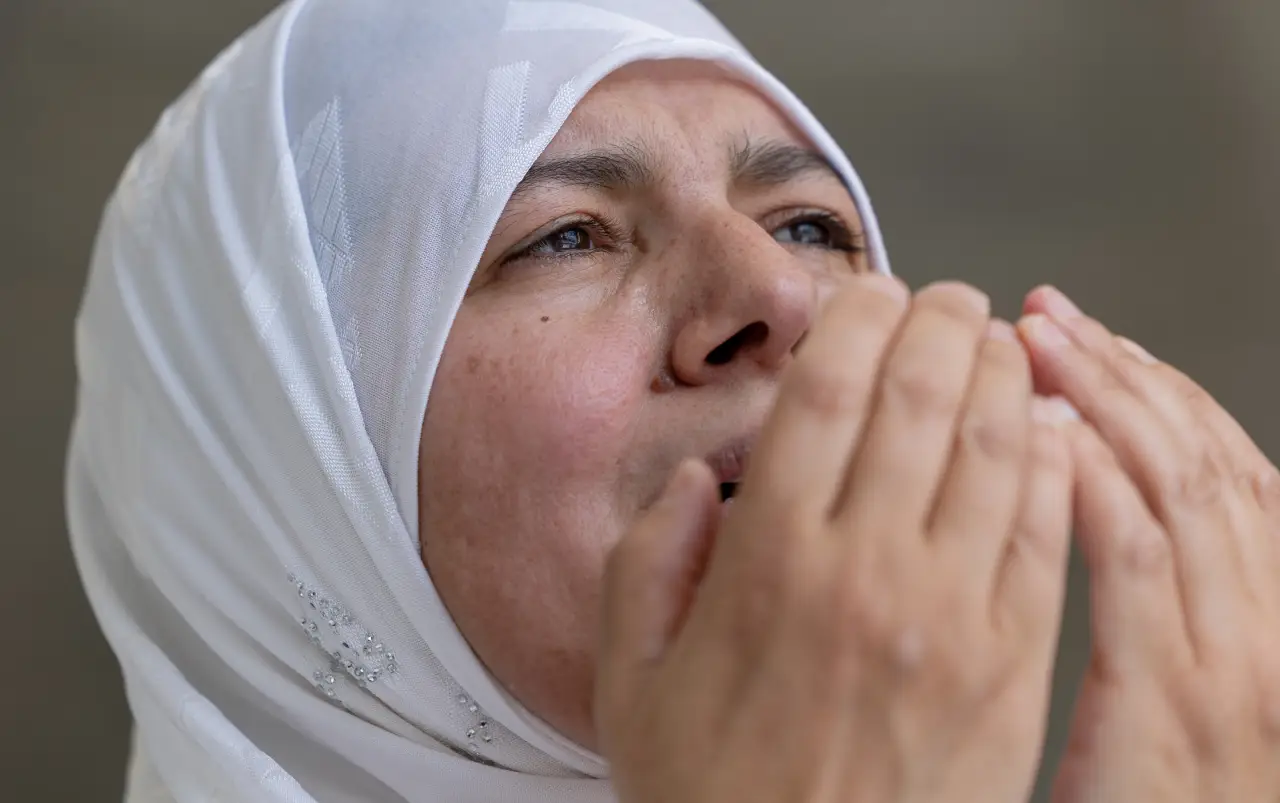
Pilgrims are overcome with awe and tranquillity, standing in silence with hands raised in supplication as tears flow freely. Despite language barriers, these deeply spiritual moments reveal a shared human experience of devotion, uniting millions in prayer and reverence within the courtyards of the Grand Mosque.
104 Countries Invited for Hajj
The Ministry of Islamic Affairs, Dawah and Guidance has announced the arrival of 2500 international pilgrims from 104 countries, hosted under the Custodian of the Two Holy Mosques’ Guests Programme for Hajj, Umrah, and Visit for the 1447 AH season.
This year’s cohort features 1300 prominent Islamic scholars and global figures, 200 pilgrims from the Republic of Liberia, and 1000 Sudanese family members of martyrs and wounded personnel from Operations Decisive Storm and Restoring Hope.
Minister of Islamic Affairs, Dawah and Guidance Sheikh Abdullatif Al Alsheikh expressed gratitude to Custodian of the Two Holy Mosques King Salman bin Abdulaziz Al Saud for this generous annual initiative, noting that the ministry has deployed a comprehensive operational plan covering premium transit logistics, tailored accommodation, and guided cultural programmes in Makkah and Madinah to ensure that the hosted guests perform their rituals and arrival Tawaf with complete tranquillity.
Integrated System
At a time when the eyes of the world are turning towards the holy sites, water movement towards Makkah and the holy sites is no longer viewed merely as an operational service. It is managed as an integrated system operating with the highest levels of precision and readiness, supported by thousands of technical and engineering personnel working around the clock to ensure the efficient and reliable delivery of water to pilgrims.
Within this framework, the Saudi Water Authority launched the operational code for water services in the holy sites as a qualitative transformation in managing the water system during the Hajj season. The initiative also reinforces the concept of unified operation for water supply chains through an integrated governance system linking planning, operations, monitoring, and immediate response.
Water management in the holy sites no longer relies on traditional operations. The code is supported by an advanced digital system based on technological integration and data automation through centralised databases and unified performance indicators.
The code is considered a comprehensive annual operational framework that includes 15 key activities and 11 performance indicators to measure readiness and operational discipline of assets, enhancing the reliability and sustainability of services during the Hajj season.
Air Ambulance Fleet
The Saudi Red Crescent Authority (SRCA) continues to strengthen its operational readiness during the Hajj season through the activation of its air ambulance service, a vital component of the integrated medical emergency response system serving pilgrims.
The authority stated that it has deployed an air ambulance fleet, including 11 helicopters equipped with advanced medical technologies and equipment. The fleet is supported by a network of seven strategic helipads across Makkah and the holy sites.
SRCA emphasised that air ambulance services play a key role in supporting seasonal emergency medical operations by rapidly transporting patients and injured individuals, facilitating medical evacuations between healthcare facilities, and deploying specialised medical teams to high-density areas and emergency sites.
‘Hajj Without Luggage’
As part of the comprehensive transformation of Saudi Arabia’s Hajj and Umrah ecosystem, the “Hajj without Luggage” initiative has emerged as a key project implemented by the Ministry of Hajj and Umrah in cooperation with relevant entities.
The initiative aims to improve pilgrims’ experience from the moment they leave their countries until their return by reducing traditional logistical burdens related to luggage and offering a smoother, more comfortable travel model based on integration among operational and service entities.
The initiative has also contributed to a qualitative shift in expediting procedures, reducing the time needed to complete pilgrims’ formalities from 120 minutes to just 15 minutes.
The service is based on shipping pilgrims’ luggage directly from their accommodation in their home countries to their accommodation in Makkah or Madinah, while the same process applies to their return journey. Specialised logistics companies receive, transport, process, and track the luggage until final delivery, without requiring pilgrims to carry it through the various stages of travel.
This model has helped reduce congestion at airports, accelerate arrival and departure procedures, and ease burdens on pilgrims, particularly the elderly and patients.
The service relies on technical and operational integration among companies serving international pilgrims, airport baggage-handling service providers, and digital systems. Pilgrim and luggage data are linked electronically through the Nusuk platform, ensuring tracking throughout all stages of the journey and enhancing accuracy and security.
The initiative aligns with Saudi Vision 2030 objectives to develop the Hajj and Umrah sector and raise the efficiency of services provided to pilgrims through innovative solutions that improve service quality and reduce operational effort.
(The writer is a New Delhi-based senior commentator on national, international, defence and strategic affairs, environmental issues, an interfaith practitioner, and a media consultant.)