SRINAGAR: A significant snowfall event over the past 24 hours has draped the Kashmir Valley and parts of the Jammu region in a thick blanket of snow. While this much-awaited snowfall has brought cheer to farmers and snow enthusiasts, it has also caused severe disruptions, with life coming to a standstill in many areas.
The heaviest snowfall in years was recorded in South Kashmir, particularly along mountain passes like Sinthan Top and Margan Top, each receiving an imposing four feet of snow. Peer Ki Gali along the Mughal Road, a crucial alternate route between Jammu and Kashmir, was buried under three feet of snow, rendering the route inaccessible. The Baltal base camp for the Amarnath Yatra also recorded three feet of snow, while areas like Qazigund, Kapran, and Daksum received between two and three feet of accumulation.
Districts across the valley experienced varied snow depths. In Anantnag, the plains received over one foot of snow, while Kokernag and Dooru accumulated over two feet. Kulgam witnessed some of the heaviest snow, with areas like Aharbal and DH Pora recording more than two feet. In Pulwama, snow depths ranged from 10 inches in Pampore to over a foot in Tral. Shopian, known for its orchards, received over 1.5 feet in places, with Hirpora recording three feet.
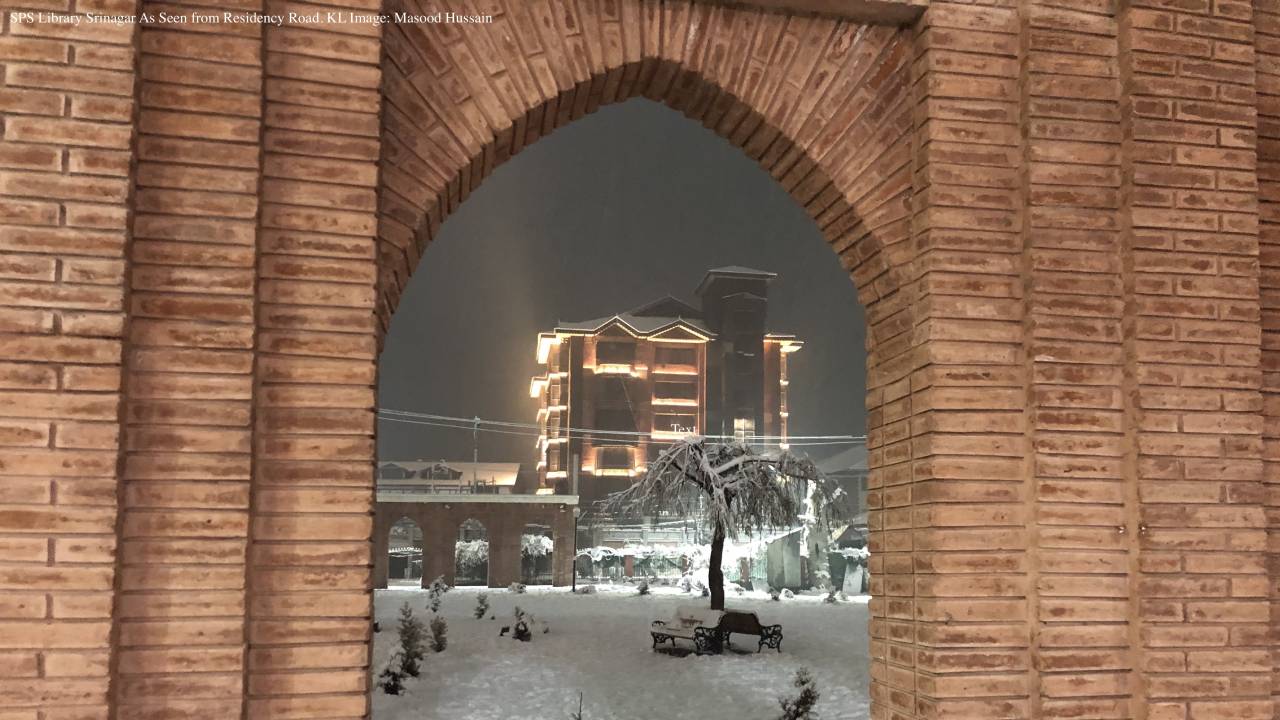
Even Srinagar, the summer capital, experienced moderate snowfall, with eight inches blanketing the city. Tourists enjoyed the season’s first snow, filmed videos and took in the picturesque winter scenery. However, the snowfall has also caused significant challenges, including power outages, road blockages, and disruptions to essential services.
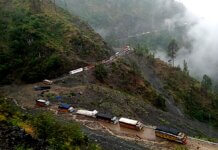
The heavy snowfall has brought traffic to a halt across the region. The Jammu-Srinagar National Highway was severely affected, with nearly 2,000 vehicles stranded near Qazigund. Chief Minister Omar Abdullah described the road conditions as “treacherous” and assured residents that efforts to clear the highway were underway. Meanwhile, flights at Srinagar Airport faced delays and cancellations, and train services between Banihal and Baramulla were suspended.
The Army and local authorities have stepped in to assist. In Gulmarg, Army personnel evacuated stranded tourists and provided meals, shelter, and medical aid to those affected. Similarly, six people trapped on the Mughal Road were rescued by the police.
The snowfall has caused widespread power disruptions, with 41 feeders at the 33 KV level and 739 feeders at the 11 KV level rendered non-functional. Restoration efforts are in full swing, and Chief Minister Abdullah assured that 90 per cent of affected feeders would be operational by evening. However, residents in many areas continue to face challenges as they grapple with the fallout of disrupted electricity and blocked roads.
While the snowfall has caused difficulties, it has also brought joy to farmers and boosted the tourism sector. Popular destinations like Gulmarg and Pahalgam are attracting visitors eager to experience the snow. The Meteorological Department has forecast lighter snowfall in the coming days, offering a brief respite for the region.
The administration is working to restore normalcy, balancing the demands of safety and accessibility against the natural beauty of Kashmir’s winter landscape. For now, the valley remains both a winter wonderland and a region facing the harsh realities of extreme weather.