by Javaid Sofi
Kashmir faces a rising prevalence of non-alcoholic fatty liver disease (NAFLD), driven by genetic factors, dietary shifts, and sedentary lifestyles. The disease risks progressing to severe liver conditions, burdening healthcare systems and families. Tackling this requires collaborative efforts including culturally tailored health education, exercise promotion, and public health initiatives to foster healthy lifestyles and mitigate the growing epidemic’s impact on the region.

Kashmir is grappling with a silent health crisis: the rising prevalence of non-alcoholic fatty liver disease (NAFLD). NAFLD, a condition characterised by the excessive accumulation of fat in the liver, is a growing global health concern. Globally, it’s estimated to affect approximately 25 per cent of the adult population, making it the most common chronic liver disease worldwide.
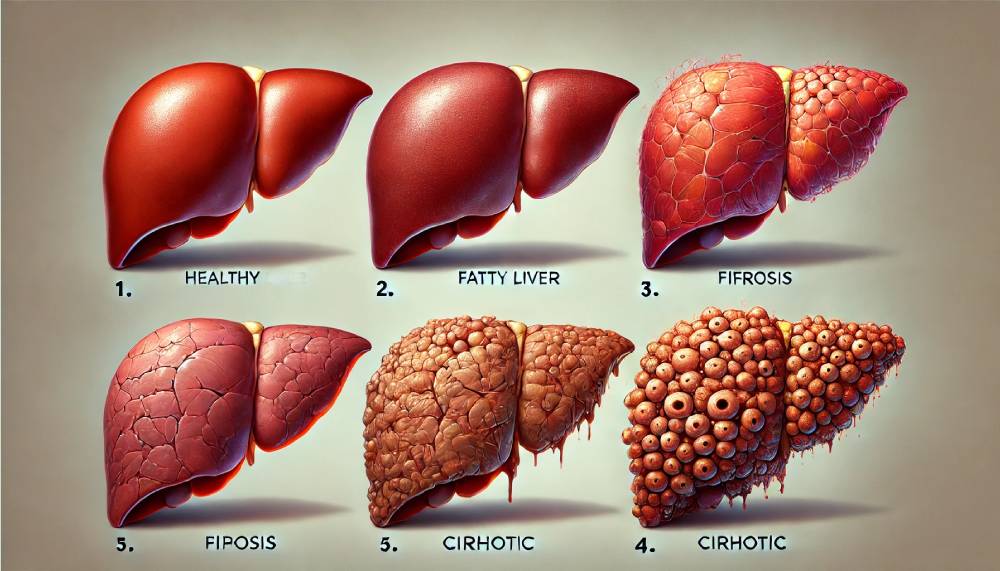
While often asymptomatic in its early stages, NAFLD can progress to non-alcoholic steatohepatitis (NASH), a more severe form involving inflammation and liver cell damage. This progression can lead to fibrosis, cirrhosis (irreversible scarring of the liver), liver failure, and even liver cancer.
In Kashmir, however, this global trend takes on a distinct character, a reflection of the region’s unique cultural and environmental context. While precise epidemiological data for Kashmir is limited, studies suggest a rising prevalence mirroring global trends, with some local estimates indicating rates as high as 30 per cent in certain populations, highlighting a significant and urgent public health concern.
Genetic Issues
The drivers of NAFLD in Kashmir are multifaceted, a complex interplay of genetic, dietary, and lifestyle factors. Emerging research suggests a genetic component to NAFLD susceptibility. Certain genetic variations, potentially more prevalent within the Kashmiri population, may predispose individuals to the disease, even in the absence of traditional risk factors like obesity. This genetic vulnerability, interacting with environmental factors, creates a complex web of risk. Besides, traditional Kashmiri cuisine, while rich in flavour, often includes a significant intake of red meat and saturated fats.
This dietary pattern, combined with the increasing availability and affordability of processed foods—laden with sugars, unhealthy fats, and artificial additives—is contributing to a significant shift in dietary habits. This “nutrition transition,” as it’s often called, is placing a considerable burden on metabolic health. The rapid pace of modernisation has also brought about a decline in physical activity levels. Traditional occupations, such as agriculture and handicrafts, which once required significant physical exertion, are giving way to more sedentary lifestyles. This reduction in physical activity, coupled with dietary changes, creates a perfect storm for the development of NAFLD.
The impact of NAFLD on Kashmir extends beyond individual health. The potential for progression to cirrhosis and liver cancer places a significant strain on the healthcare system. The economic burden associated with managing these advanced conditions, including hospitalisations, liver transplants (when available), and lost productivity, can be substantial, impacting families and the region’s overall economic well-being. Imagine a weaver, whose nimble fingers once crafted intricate shawls, now weakened by the complications of cirrhosis, unable to work and provide for his family. This is the human cost of this silent epidemic.

A Hope
But there is hope. Exercise, often overlooked as a mere lifestyle choice, is a powerful therapeutic intervention with profound effects on liver health. Physical activity increases energy expenditure, helping the body burn off excess fat stored in the liver. It improves insulin sensitivity, a key factor in the development of both NAFLD and type 2 diabetes. And it exerts potent anti-inflammatory effects, dampening the harmful processes that drive the progression from NAFLD to NASH. Studies have shown that even moderate exercise can significantly reduce liver fat and improve liver function.
Addressing the challenge of NAFLD in Kashmir requires a concerted effort on multiple fronts. Healthcare providers must play a crucial role, in integrating exercise counselling and dietary advice into routine patient care. This means moving beyond generic recommendations and providing personalised plans tailored to individual needs and cultural contexts. Public health initiatives are also essential. We need to create environments that support and encourage physical activity. This includes investing in public spaces like parks and walking trails, promoting community-based exercise programs, and implementing policies that encourage active transportation. Culturally sensitive health education campaigns are also crucial to raise awareness about NAFLD, its risk factors, and the benefits of healthy lifestyle choices. These campaigns must be designed in local languages and consider the specific cultural nuances of the region.
Not A Medical Issue
The fight against NAFLD in Kashmir is not simply a medical issue; it’s a societal one. It requires a collaborative effort involving healthcare professionals, policymakers, community leaders, and individuals themselves. By recognising the powerful role of exercise, promoting healthy dietary habits, and creating supportive environments, we can help Kashmir mitigate the impact of this growing health concern and safeguard the health and well-being of its people. The shadow on the peaks need not darken the valley; with collective action, we can bring the light back to this cherished land.
To further amplify the impact of this message, individuals can take control of their health by incorporating regular physical activity into their daily routine and consulting with a healthcare professional for personalised advice on exercise and diet. Healthcare providers should prioritise NAFLD screening and provide comprehensive lifestyle counselling to their patients, advocating for policies that support healthy living in their communities. Policymakers should invest in public health initiatives that promote physical activity and healthy eating, supporting research to better understand the unique drivers of NAFLD in Kashmir. Communities can create supportive environments that encourage healthy lifestyles, organising community-based exercise programs and promoting healthy food choices. By working together, we can address this silent epidemic and ensure a healthier future for Kashmir.
(The author is a Health Care Economist and Consultant. Ideas are personal.)