by Dr Ruchika Raina
Jammu and Kashmir’s cultural and political identity has been a point of contention for decades. India asserts historical, religious, and cultural linkages, emphasising integration, while many within the region argue for a distinct identity, often rooted in Kashmiriyat. Historical ties to Hinduism, Buddhism, and the Dogra dynasty highlight India’s claims, while the rise of Islam in the 14th century and subsequent political movements emphasise autonomy. The abrogation of Article 370 in 2019 heightened these debates. While India’s central government promotes integration, balancing local identity, autonomy, and development remains crucial for the region’s future stability and peace.
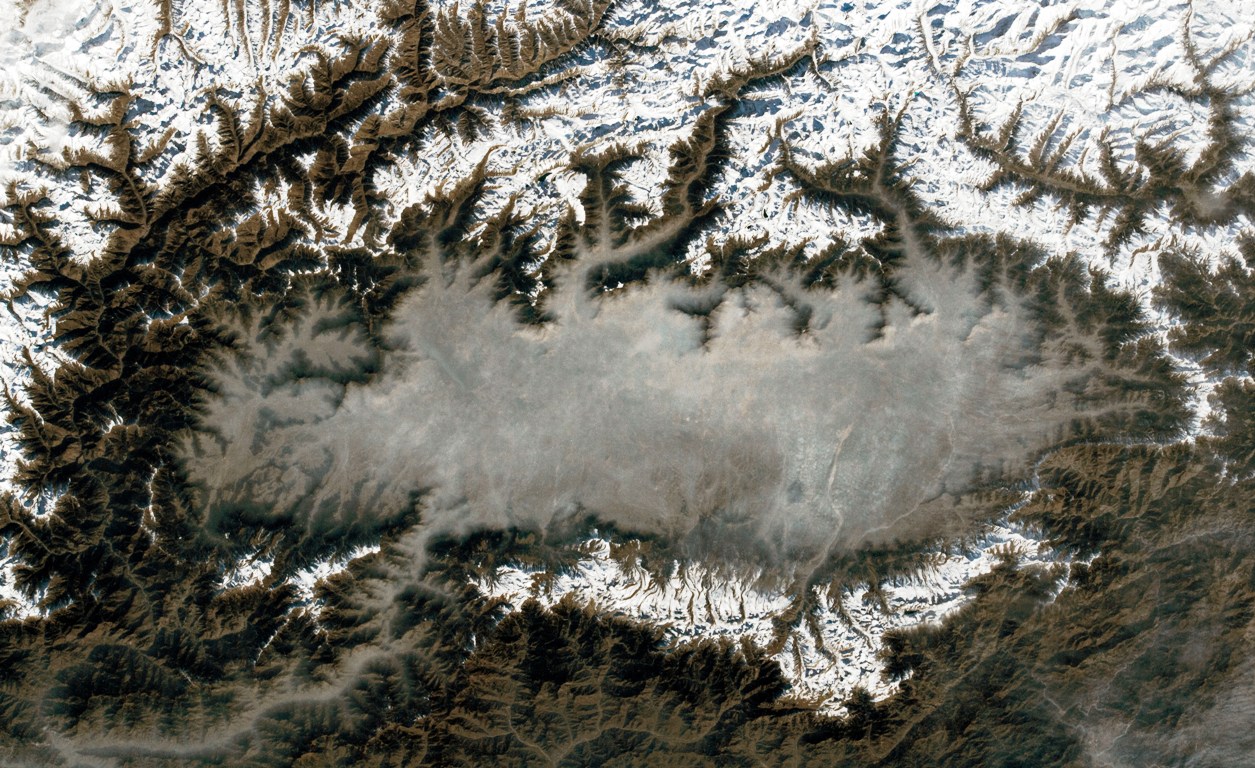
Jammu and Kashmir, a region nestled in the northernmost corner of India, has long been at the heart of intense political debate and territorial disputes. The region’s historical and cultural identity is central to these discussions, particularly when addressing the question of its relationship with India. While the Indian state claims deep historical linkages, cultural continuity, and linguistic ties with Jammu and Kashmir, political movements within the region often emphasise a distinct and separate identity. This ongoing contestation over its history and culture reflects broader political claims and aspirations, shaping the debate over Jammu and Kashmir’s future.
From an Indian perspective, the argument for Jammu and Kashmir’s integration into the Indian Union rests on historical and civilisational linkages that date back millennia. The region’s history is intertwined with the broader Indian subcontinent through religion, philosophy, and culture.
Historically, Kashmir was a major centre of Hinduism and Buddhism. It was home to the rich philosophical tradition of Kashmir Shaivism, and many of its early rulers patronised Hindu temples, scholars, and artists. The Amarnath Cave, a sacred site for Hindus, underscores these deep religious ties. The spread of Buddhism from Kashmir to Central Asia and China further cements its ancient connections to Indian civilisation. Kalhana’s Rajatarangini, written in the 12th century, documents Kashmir’s ancient kings and its connection to the broader Indian cultural landscape.
The Dogra Rule
In the 19th century, Maharaja Gulab Singh of the Dogra dynasty united Jammu, Kashmir, and Ladakh into one political entity under the suzerainty of British India. This was a pivotal moment in aligning the region with the broader political structure of the Indian subcontinent. The Dogras were staunch Hindus, and their rule helped further integrate Jammu and Kashmir into the cultural and political fabric of India.
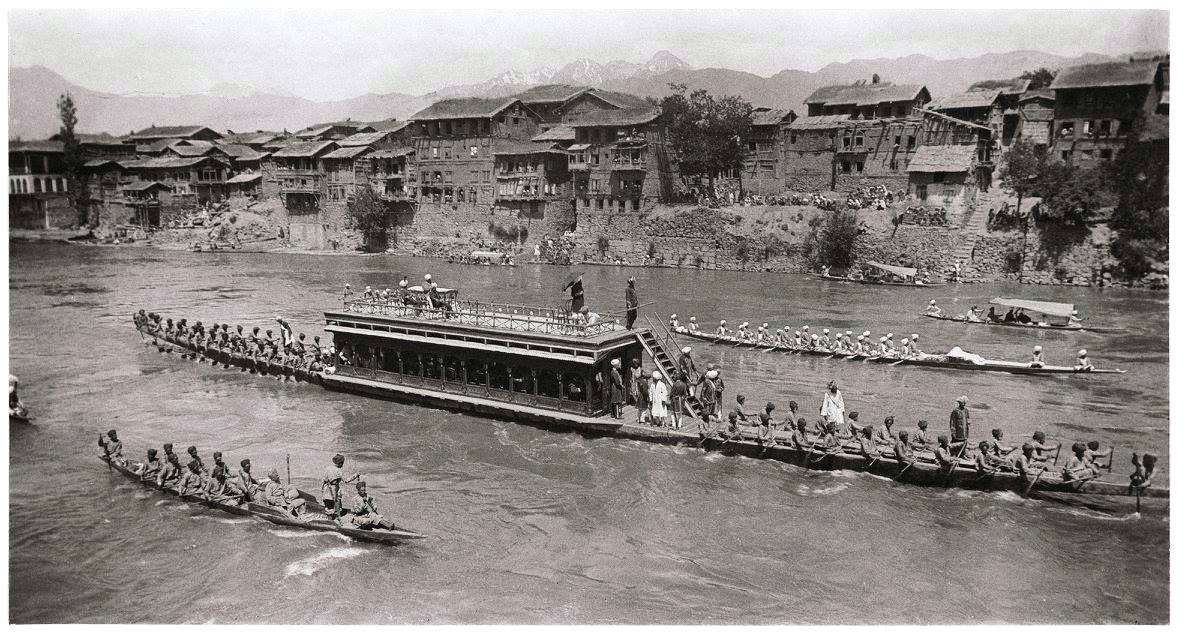
The Sanskritic roots of the Kashmiri language, along with the Dogri language spoken in Jammu, reflect the region’s cultural continuity with North India. Kashmiri shares many linguistic features with Hindi, Punjabi, and other Indo-Aryan languages, further affirming the region’s connection to India’s northern heartland.
India’s claims over Jammu and Kashmir emphasise these historical and cultural linkages as evidence that the region has always been an integral part of its civilisational sphere, and therefore, its political integration post-1947 is seen as a natural extension of this history.
However, while the Indian state asserts these historical linkages, there are strong political currents within Jammu and Kashmir that argue for a distinct identity, separate from the Indian cultural mainstream. This sense of distinctiveness has been accentuated by the region’s history of autonomy under Article 370, which provided Jammu and Kashmir with special status, granting it its own Constitution, flag, and greater legislative control over internal matters.
Beginning of Contestations
The rise of Islam in the Kashmir Valley during the 14th and 15th centuries, under the rule of Sultan Sikandar and Shah Mir, marked a significant transformation in the region’s cultural and religious identity. Today, the majority of Kashmiris are Muslims, and their religious and cultural practices reflect deep ties to Central Asia and Persia, as well as indigenous Kashmiri traditions. This Islamic identity has often been positioned against the Hindu-majority character of India, creating a sense of cultural distinctiveness.
A key concept used by those advocating for a separate Kashmiri identity is Kashmiriyat, a syncretic cultural ethos that emphasises communal harmony and the unique blend of Hindu, Buddhist, and Islamic traditions in the valley. Kashmiriyat has historically represented tolerance, peaceful coexistence, and a sense of collective identity distinct from the rest of India. Many separatist leaders and cultural advocates argue that this concept sets Kashmir apart, not just politically, but culturally as well.
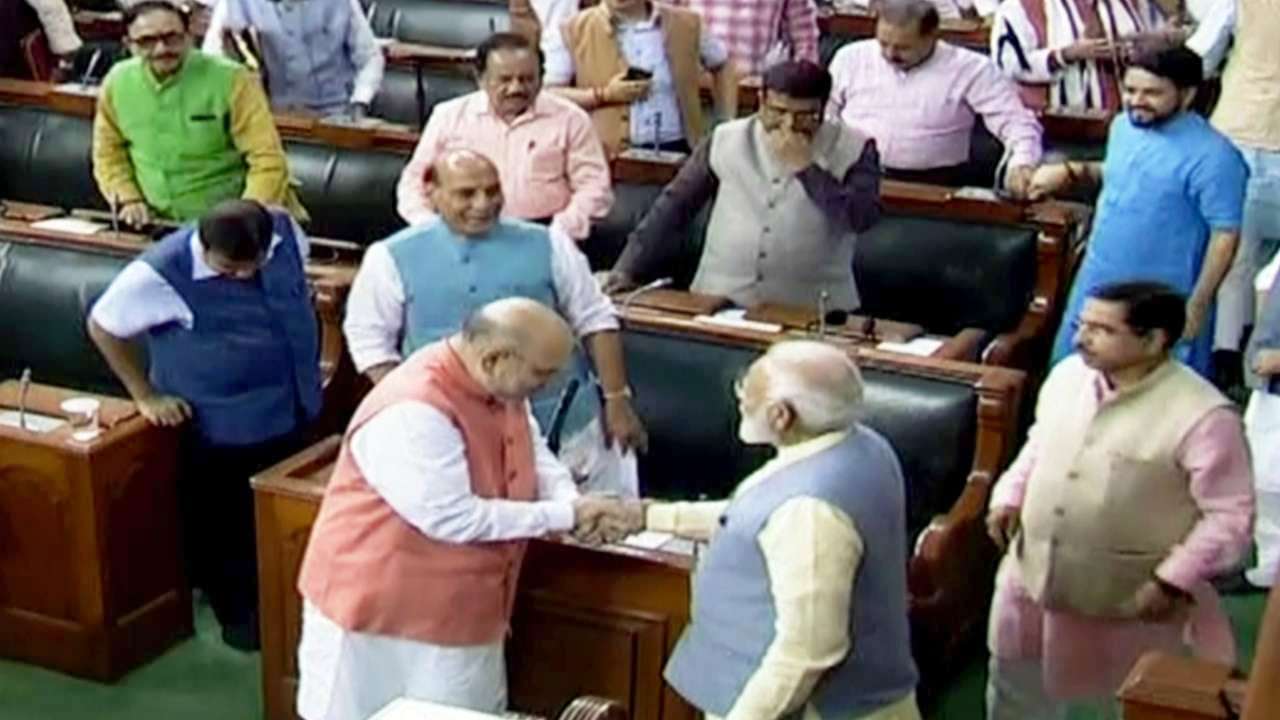
Political movements within Jammu and Kashmir, particularly in the Kashmir Valley, have long emphasised a separate identity. Leaders like Sheikh Abdullah, during the 20th century, advocated for internal autonomy, arguing that Jammu and Kashmir’s distinct cultural and historical experience required a unique political status within India. In recent decades, this has manifested in movements for greater autonomy and even calls for self-determination or independence from India, particularly following the insurgency that erupted in the late 1980s.
Abrogation of Article 370
Recently, the 2019 decision to abrogate Article 370 and reorganise Jammu and Kashmir into two Union Territories—Jammu and Kashmir and Ladakh—escalated the contestations over its cultural and political identity. For the Indian government, this move was seen as the final step in the full integration of Jammu and Kashmir into the Indian Union, eliminating the “special status” that set it apart from other states. Proponents of the abrogation argue that it will lead to greater development, equality, and modernisation in Jammu and Kashmir. By bringing the region under the full application of the Indian Constitution, the central government claims that it is rectifying a historical anomaly and ensuring that Jammu and Kashmir enjoys the same rights and benefits as other Indian states.
However, opponents argue that the abrogation of Article 370 was a unilateral and undemocratic decision that undermined Jammu and Kashmir’s unique cultural and historical identity. Many Kashmiris view the special status as a recognition of the region’s distinct cultural heritage, particularly its history of autonomy and self-rule under Mughal and Afghan rule, and later under the Dogras. The removal of this status has been seen as an attempt to impose a homogenized Indian identity on a region with its own rich and complex past.
In Ladakh
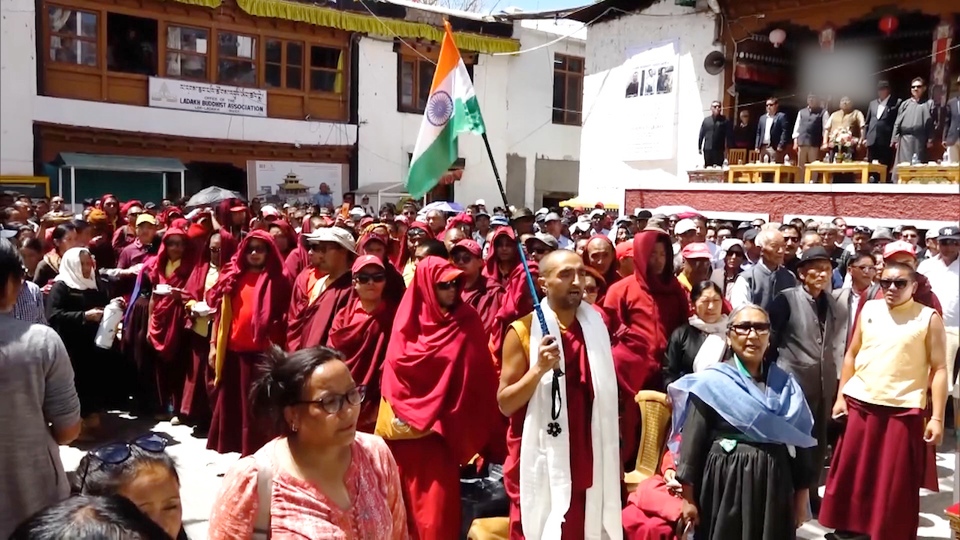
The situation in Ladakh is more nuanced. Many in Ladakh, particularly the Buddhist community, welcomed the region’s new status as a Union Territory, seeing it as an opportunity for greater self-governance and development. However, some in Kargil, where the population is predominantly Muslim, have expressed concerns about losing their connection to the larger political entity of Jammu and Kashmir.
The distinct Tibetan-Buddhist culture of Ladakh has historically set it apart from the rest of Jammu and Kashmir, and its geographical isolation has fostered a unique identity that leans toward greater autonomy. The centralisation of Ladakh under New Delhi, while celebrated by some, has also sparked debates about whether the region’s cultural identity will be adequately preserved under the new administrative structure.
The contestations over Jammu and Kashmir’s historical linkages and political claims to a separate culture reflect the region’s deep-rooted complexities. While the Indian government emphasises the historical, cultural, and linguistic ties that bind Jammu and Kashmir to India, many in the region—particularly in the Kashmir Valley—argue for a distinct identity that sets them apart from the rest of the country.
The abrogation of Article 370 has intensified these debates, raising important questions about the balance between integration and autonomy. As Jammu and Kashmir continues to navigate its political future, its cultural identity remains at the heart of the conversation, with both sides claiming historical legitimacy in their vision for the region’s place within or outside India.
Towards a Unified Future
As Jammu and Kashmir steps into a new chapter following the abrogation of Article 370, the region finds itself at the crossroads of integration and autonomy, development and identity. The way forward requires a nuanced approach that balances the region’s unique cultural and historical identity with its place within the broader Indian state. Both the central government and regional leaders must work together to ensure that the political, economic, and cultural aspirations of the people are respected while promoting stability and development.
The centre has approved elections, and the restoration of statehood is a critical demand voiced by regional leaders. Holding transparent and fair elections is essential to restoring local governance and ensuring that the people of Jammu and Kashmir have a say in shaping their political future. Reinstating democratic representation would also help build trust between the region and the central government, fostering a more inclusive political atmosphere where the concerns of local communities, whether in Jammu, Kashmir, or Ladakh, are heard.
While integration into India is a cornerstone of the current government’s policy, it is equally important to recognise and preserve the distinct cultural identity of the region. The historical concept of Kashmiriyat—a unique blend of religious tolerance and cultural syncretism—has long been a part of the region’s ethos, and efforts must be made to revive and strengthen it.
For Ladakh, where Buddhist and Tibetan cultural influences dominate, preserving its distinct identity through autonomous institutions and respecting the wishes of the local population—particularly in Kargil—will be vital. The government should encourage cultural programmes, linguistic preservation, and community-driven initiatives that celebrate the region’s diversity, allowing it to flourish while being a part of the larger Indian framework.
The Development
One of the central government’s primary arguments for the abrogation of Article 370 was the promise of economic development. For this promise to be realized, there must be significant investment in infrastructure, education, and employment opportunities. The region has a high unemployment rate, especially among the youth, which has contributed to discontent and fuelled unrest in the past. By promoting tourism, improving connectivity, and attracting private investment, Jammu and Kashmir’s economy can experience the growth that has long been anticipated. Ladakh, with its unique landscape and potential for eco-tourism, also stands to benefit from such development. However, development efforts must be inclusive, ensuring that the benefits reach all communities, including those in the border areas and the Valley.
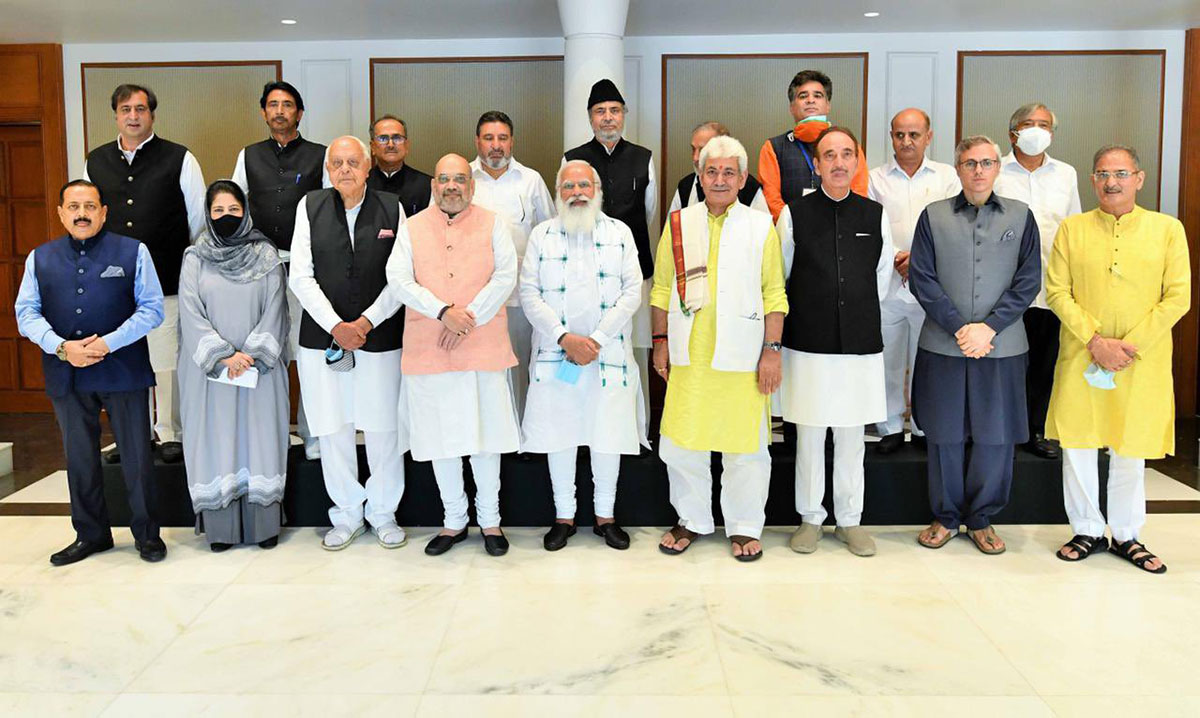
The central government must engage in dialogue with regional leaders and civil society to address the concerns of the people of Jammu and Kashmir. Engagement with all stakeholders—whether political leaders, community heads, or religious scholars—will be crucial in finding common ground and crafting policies that reflect the region’s unique needs. Listening to the voices of the people, especially those who feel alienated by recent political decisions, will foster greater reconciliation and a sense of ownership over the region’s future. Addressing concerns over the centralization of power and offering platforms for local participation in governance will help bridge the gap between New Delhi and Srinagar.
The region’s long history of insurgency and conflict means that peace and security remain paramount. A balanced security policy that ensures the protection of citizens while respecting their rights is essential for long-term stability. Efforts to curb radicalisation and cross-border terrorism must continue, but these should be paired with initiatives for peace-building and conflict resolution that involve local communities. Reintegrating former militants into society, promoting education, and fostering economic opportunities are essential components of a comprehensive peace strategy. Ensuring justice for victims of past human rights violations will also help in healing the wounds of conflict.

Civil society organisations, both local and international, play a crucial role in advocating for human rights, development, and cultural preservation. Strengthening these organizations and allowing them to operate freely will help address local grievances and foster dialogue. Additionally, India’s engagement with international bodies regarding Jammu and Kashmir should emphasise its commitment to democracy, human rights, and peaceful resolution of the conflict.
Lastly, the future of Jammu and Kashmir depends on how well the region’s complex identity is balanced with its aspirations for development and peace. India’s vision for Jammu and Kashmir must not only focus on integration but also recognize the historical, cultural, and political uniqueness of the region. A sustainable way forward involves restoring political representation, fostering economic growth, ensuring cultural preservation, and promoting security and peace. By doing so, the region can emerge stronger, where its diversity becomes its strength, and its people feel empowered to determine their own destiny within the framework of the Indian state
(The author holds PhD in Political Science and works at the Department of Politics and Governance, Central University of Kashmir. Ideas are personal.)