SRINAGAR: In a scientific breakthrough with major implications for wildlife conservation and the global luxury trade, Hyderabad’s Centre for Cellular and Molecular Biology (CCMB) has developed the world’s first DNA diagnostics tool capable of distinguishing between legal pashmina and banned shahtoosh wool. The innovation offers fresh hope in the fight to save the endangered Tibetan antelope and to protect Kashmir’s beleaguered pashmina industry.
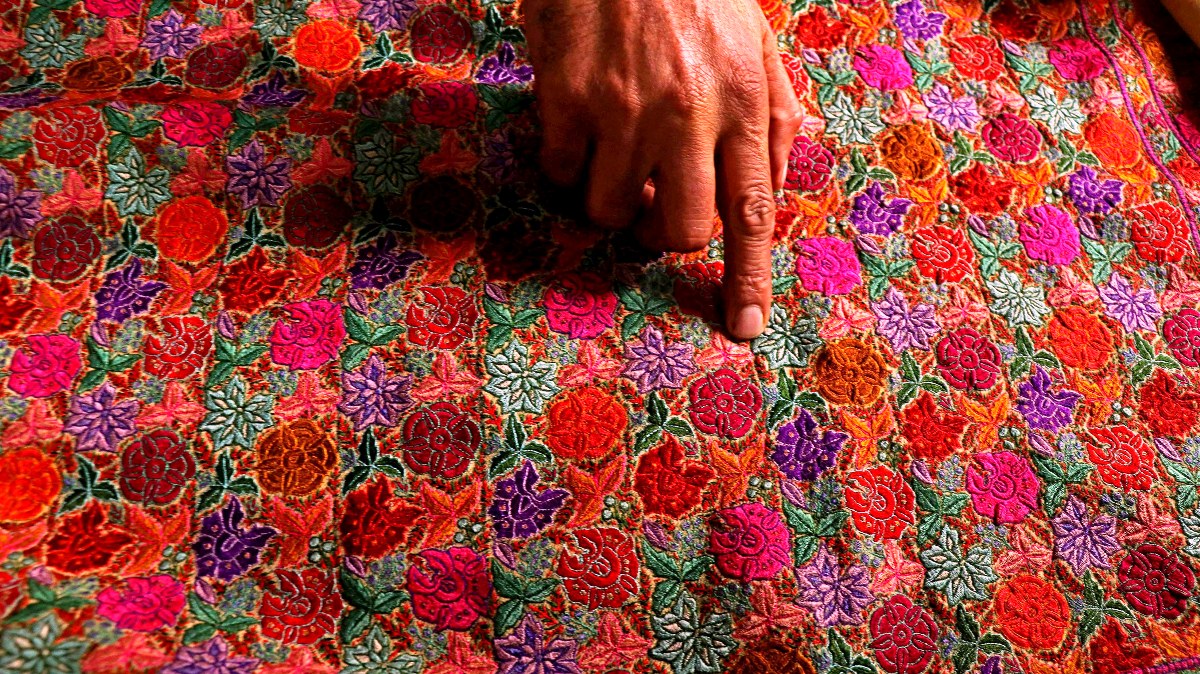
According to a report by The Print, the method, pioneered by Dr Karthikeyan Vasudevan and his team at CCMB’s Laboratory for Conservation of Endangered Species (LaCONES), relies on extracting mitochondrial DNA from the shaft of animal hair embedded in fine wool products, something previously thought impossible. The technique requires only a few microfibres, collected using a toothbrush rubbed over the fabric, and crucially does not damage the expensive shawls under scrutiny.
“The most common way to smuggle shahtoosh shawls is by labelling them as pashmina,” CCMB Director Dr Vinay Nandicoori told ThePrint, adding that the new diagnostic tool could end years of confusion that has caused financial pain for authentic Kashmiri pashmina exporters.
Shahtoosh, derived from the underfur of the Tibetan antelope, or chiru, has been banned under CITES since the 1970s. But due to its similarity to pashmina and the difficulty of detection, it often slips through global customs, leading to seizures and delays for legitimate pashmina exporters. Indian exports of pashmina dropped from Rs 305 crore in 2018–19 to Rs 166 crore in 2021–22 due to such disruptions.
The CCMB team, faced with the challenge of working with highly processed, rootless animal hair, turned to mitochondrial DNA, which is harder to work with than nuclear DNA but more persistent in processed fibres. After a year of research, they identified a unique chiru-specific genetic marker and developed a reliable testing method. “Our primer is strong enough to detect even a few strands of chiru hair,” said Vasudevan.
While some officials still defend the older light microscopy method, Vasudevan insists that DNA offers a more foolproof solution. “These errors could cost someone their livelihood,” he said, referring to traders falsely accused of smuggling shahtoosh.
The DNA testing service is already operational in Hyderabad and priced affordably at Rs 1,035 per sample. CCMB is now working to establish a testing lab in Srinagar to support local weavers and regulators more efficiently. Talks are also underway with international authorities interested in adopting the technology.
“This won’t just help curb illegal shahtoosh trade,” Vasudevan has said. “It will also bolster the Indian pashmina industry and protect a centuries-old craft that is struggling to survive.”