SRINAGAR: Saudi Arabia is preparing for a major shift in its property market as the Kingdom opens real estate ownership to non-Saudis from January 2026, according to multiple media reports and official documents reviewed by Okaz, Gulf News and international legal advisories. The reform follows the publication of the Law of Real Estate Ownership by Non-Saudis in the official gazette on July 25, 2025. It replaces the 2000 legislation and marks one of the most significant liberalisation steps under Vision 2030. The law will come into operation 180 days after publication.
According to media reports, the new framework will allow foreign individuals, foreign companies, non-profit organisations, diplomatic missions and Saudi companies with foreign shareholding to acquire real estate in zones that will be formally designated by the Council of Ministers and the Real Estate General Authority. These zones are expected to include high-demand urban areas such as Riyadh and Jeddah. All properties purchased by non-Saudis must be registered in the national Real Estate Registry, and only registered assets with full disclosure of ownership information will be considered legally valid.
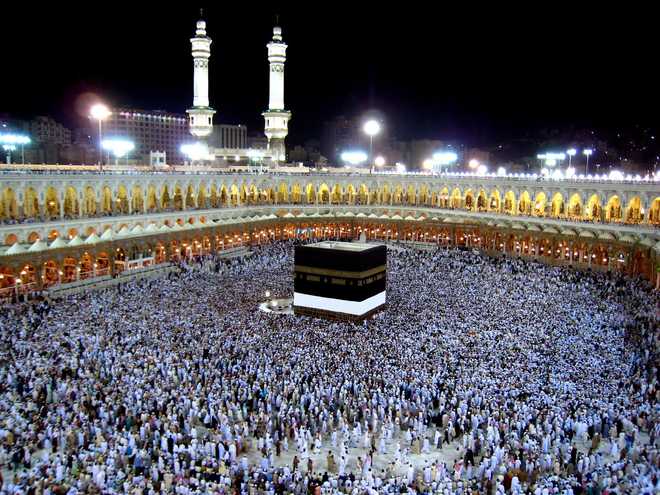
The most sensitive element of the reform concerns Makkah and Madinah. Media reports say the long-standing prohibition on foreign ownership in the two holy cities will remain, but with a narrow opening. Muslim foreign individuals and foreign-owned Saudi companies will, for the first time, be permitted to acquire limited ownership or usufruct rights in the two cities under strict regulatory oversight. The precise conditions for these exceptions will be laid out in the executive regulations that REGA is expected to publish in the coming months.
Foreigners will also gain access to a wider range of property rights, including full ownership, long-term leases, usufruct arrangements and other real rights. The authorities will retain the power to cap foreign ownership percentages and impose time limits depending on the location and type of property. Reports said ownership will come with financial obligations, including a combined 10 per cent in taxes and fees linked to the real estate transaction tax and administrative charges. The law also introduces strong enforcement provisions: violations can attract fines of up to 10 million Saudi riyals, and any property acquired through false or misleading information may be seized and auctioned.
Media reports noted that expatriates legally residing in the Kingdom will be allowed to purchase one residential property for personal use, even outside the designated zones. Muslim expatriates may also be able to purchase in Makkah and Madinah within the limits set by the forthcoming regulations. Foreign-owned companies and investment funds will have the right to acquire property required for business operations, staff housing and commercial facilities, subject to regulatory clearance. Diplomatic missions will be allowed to buy premises provided the Ministry of Foreign Affairs approves the acquisition and reciprocity exists with the foreign mission’s home country.
The implementation of the law will involve 13 government agencies, and an inter-agency advisory committee will monitor compliance and recommend adjustments as needed. REGA is preparing the maps that will define the designated ownership zones across the Kingdom, including the rules for cities such as Riyadh, Jeddah, Makkah, Madinah and other governorates. These maps, along with the executive regulations, are expected to shape how foreign ownership will be practised once the law takes effect.
Media reports said the reform is expected to draw global investors, expand the real estate market, support large-scale development and increase liquidity as the Kingdom continues its economic diversification. For foreign buyers and companies, analysts quoted in regional reports described the change as the beginning of a new phase in Saudi Arabia’s investment landscape and a sign of how the Kingdom is remaking its economy under Vision 2030.