by Dr Akhter Hussain Bhat and Aayat Bashir
Poverty, inequality, stigma, environment, and policy shape cancer risk, treatment access, survival rates, and global health disparities
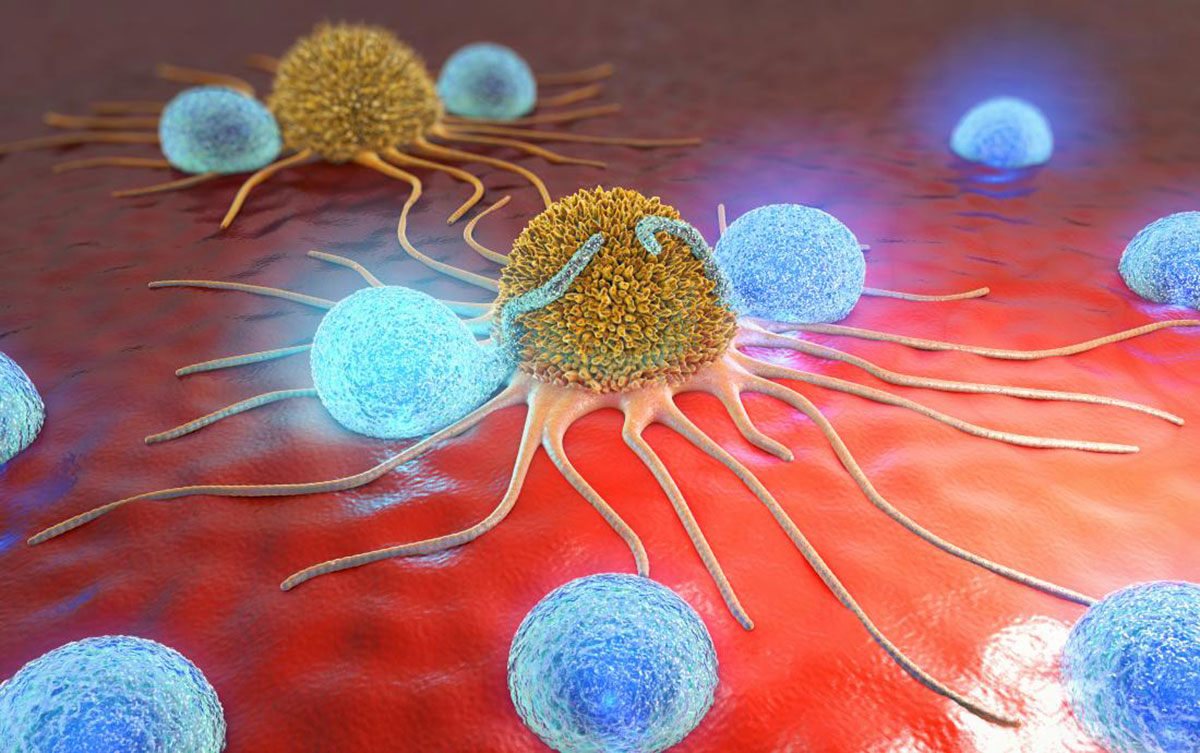
Cancer, which is called the ‘Emperor of All Maladies’ by Indian-born American researcher Siddhartha Mukherjee, is not merely a biological disease; it is also profoundly shaped by social and economic realities. Although cancer originates from uncontrolled cell growth, the likelihood of developing the disease, the timing of detection, and survival rates is strongly influenced by social determinants. This write-up is an analytical attempt to situate the cancer problem within the larger fabric of social causation and debunk the hidden trajectories.
Socioeconomic status is a major determinant of cancer risk and outcomes. Individuals with lower income or education levels are more frequently exposed to risk factors such as tobacco use, inadequate nutrition, and environmental pollutants. Limited access to healthcare services in these populations often results in delayed diagnosis and treatment. Although early detection is critical for improving outcomes, screening programmes are frequently less accessible or underutilised in disadvantaged communities.
Geographical factors are also important. Individuals living in rural or underserved locations may have limited access to nearby medical institutions and specialist cancer care. This can lead to late-stage diagnoses and limited treatment options. In contrast, metropolitan residents may benefit from modern healthcare facilities, yet there are still discrepancies depending on income and social marginalisation.
Cancer outcomes may also be influenced by social stigma and cultural beliefs. In many communities, people are deterred from obtaining prompt medical attention due to fear, misinformation, or fatalistic views surrounding cancer. Health-seeking behaviour may also be influenced by gender stereotypes, especially when women have little autonomy in receiving care.
Besides, occupational and environmental exposures, which are frequently associated with social status, can raise the likelihood of developing cancer. Workers in specific industries may be more exposed to carcinogens, whereas disadvantaged neighbourhoods may experience higher levels of pollution.
To delve further, it is helpful to consider cancer as a reflection of larger social injustice as well as a medical problem. Class, gender, the environment, and public policy are frequently reflected in the patterns of cancer incidence, survival, and mortality.
One significant factor is the “social gradient in health”. This notion proposes that cancer risk and survival improve with increased socioeconomic position, not just between the very wealthy and the extremely poor, but throughout the social hierarchy. Individuals with secure jobs and higher education, for example, are more likely to receive preventative care, recognise early symptoms, and successfully navigate healthcare systems. Meanwhile, those in precarious employment may postpone doctor appointments due to loss of wages or fear of job loss.
Access to information is another important component. Cancer outcomes are significantly influenced by health literacy, or the capacity to comprehend medical advice and make informed decisions. Individuals who are less familiar with medical systems might not be able to identify warning signs or may misinterpret available treatments. Poorer survival rates and delayed diagnoses may result from this disparity.
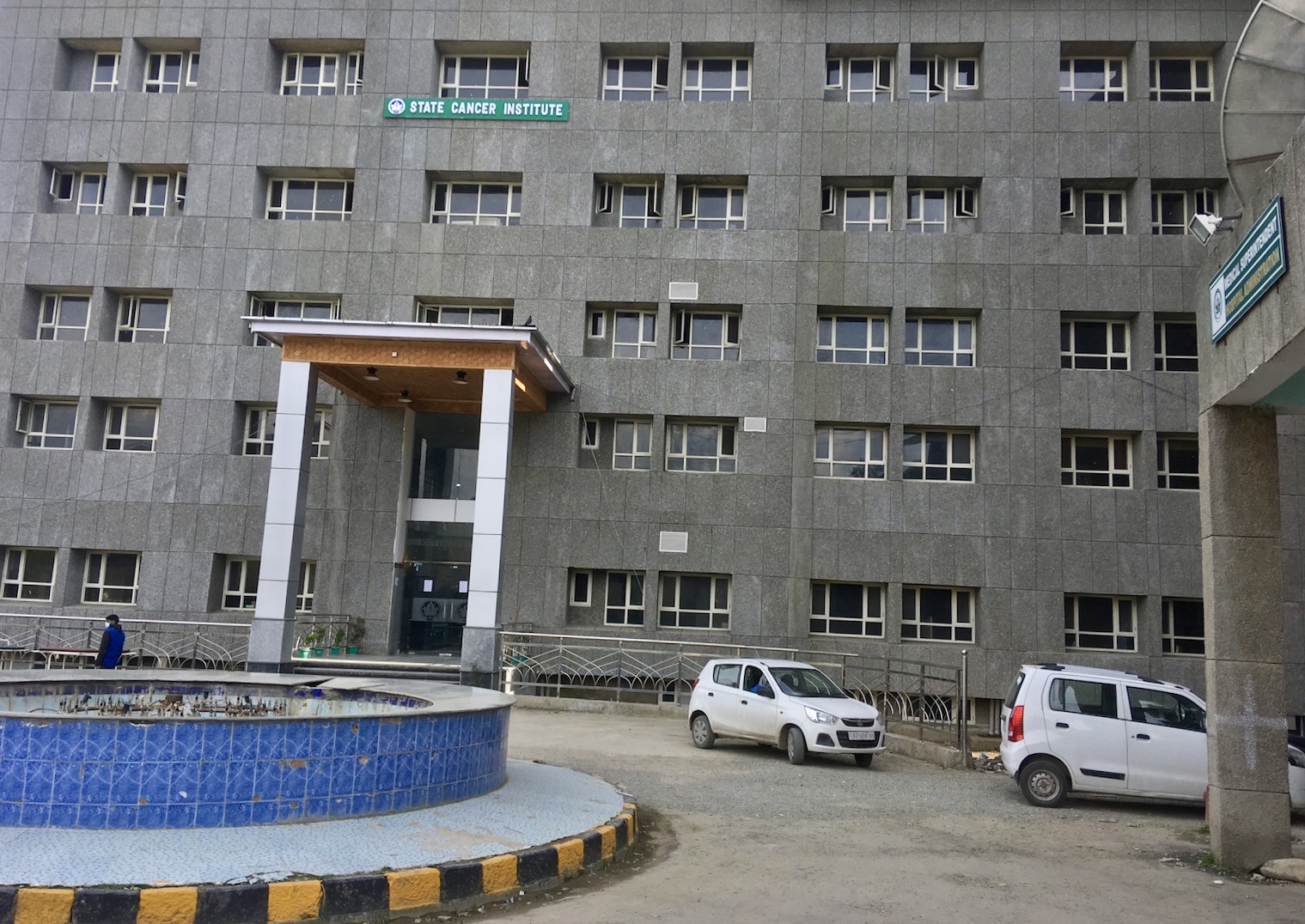
The role of public health policy is also crucial. Government decisions regarding tobacco control, pollution regulation, vaccination programmes (like HPV vaccines that prevent certain cancers), and healthcare funding significantly shape cancer patterns. For instance, strong anti-smoking laws have reduced lung cancer rates in many regions, showing how social policy can directly influence disease trends.
Another element that is frequently disregarded is social support networks. Strong support from family and the community helps patients cope with diagnosis and treatment. Mental health, treatment compliance, and even recovery outcomes can all be enhanced by emotional support. On the other hand, social isolation during cancer treatment can exacerbate physical and mental health issues.
These differences are further highlighted by global inequality. Many cancers survival rates have increased in high-income nations as a result of early detection and sophisticated treatments. However, due to a lack of proper healthcare infrastructure, many cases in low- and middle-income regions are detected late and receive substandard treatment. As a result, there is a noticeable disparity in survival rates worldwide.
Finally, recent research in disciplines such as social epidemiology suggests that chronic stress caused by poverty, prejudice, or unstable living conditions may have an impact on biological processes, thereby influencing cancer progression.
(Dr Akhter Hussain Bhat teaches Sociology at Amar Singh College, Srinagar. Aayat Bashir has a master’s in Sociology from the University of Kashmir. Ideas are personal.)