by Javaid Jawad
A reflective critique on declining accountability in education, arguing that TET alone cannot revive professionalism, integrity, and learning standards.

The recent landmark judgment of the Supreme Court, making it mandatory for teachers to qualify for the Teacher Eligibility Test (TET) or be deemed ineligible to teach, has sent shockwaves through educational circles in Jammu and Kashmir. Social media is flooded with concerns from teachers, while leaders of teachers’ associations are voicing their apprehensions through press conferences.
There can be little disagreement that the dream of quality education can only be realised through competent teachers, and examinations such as TET are necessary instruments for assessing professional competence. However, a more fundamental question deserves attention: How did a teacher, once regarded as the most respected member of society, reach a stage where he or she must now prove professional worth through mandatory examinations? More importantly, will TET alone bring about any transformative change in government schools?
There is an eternal principle of nature: when a nation, a community, or a profession fails to value its responsibilities and privileges, those privileges are eventually taken away. History is replete with such examples, though unfortunately we rarely find the time or inclination to learn from them.
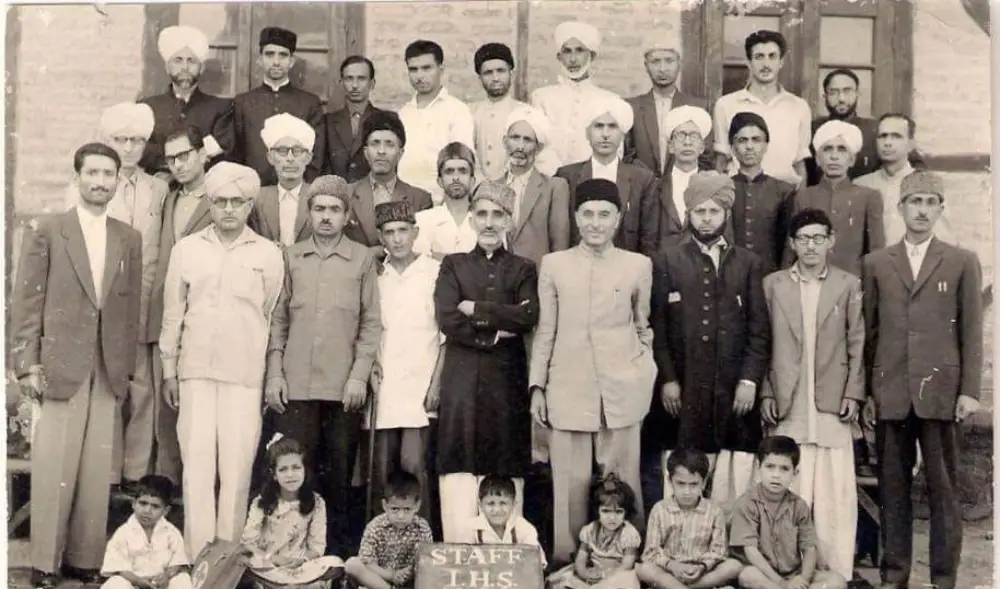
Looking back, I myself served as an office-bearer of the Teachers’ Forum at the tehsil level until 2004. Along with colleagues such as Ishtiaq Ahmad Haq, Mohammad Anwar Malik, and the late Ab Qayoom But, I participated in demonstrations organised by the Forum in Jammu and even faced police baton charges. However, it did not take us long to realise the direction in which we were heading. We raised our voices against certain policies of the Forum from within the organisation itself, though our concerns largely went unheard.
In 2007, I wrote an open letter in Kashmir Uzma addressed to the leadership of the Forum, warning that its activities would eventually prove to be a “sweet poison” for the public education system.
It became increasingly clear that, in pursuit of personal interests, many among us had begun to neglect our primary responsibility. Intoxicated by collective power, we reduced administrative officers to mere spectators. Parks, government offices, and hotels became gathering places for many teachers, while schools were left behind.
Ironically, those who remained absent from schools emerged as leaders, while teachers who performed their duties conscientiously often found themselves marginalised. Anyone who dared to question the prevailing culture became a target.
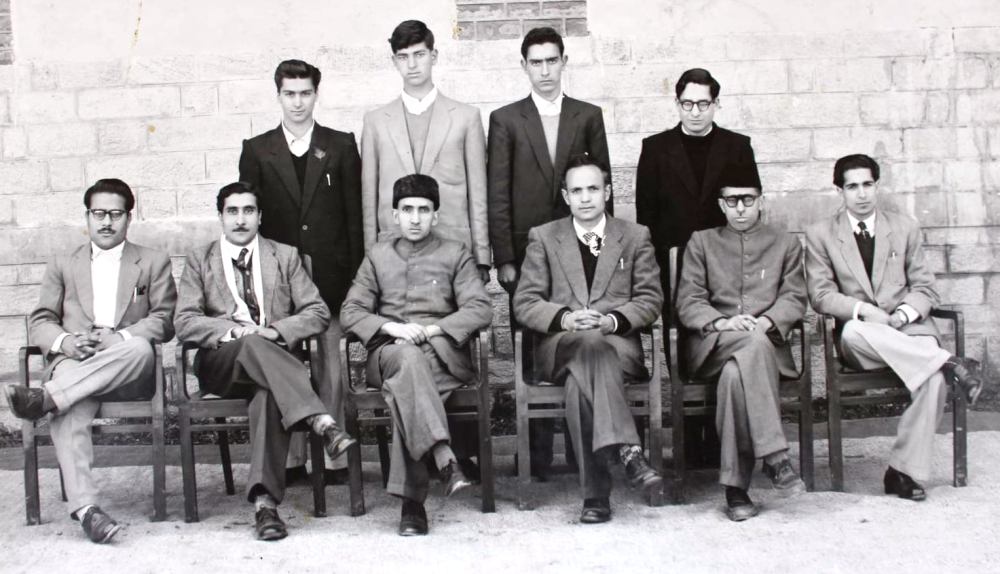
The consequences were predictable. The passion for teaching gradually diminished. Many teachers lost interest in both learning and teaching. Attendance at schools became a burden rather than a responsibility. In some cases, individuals who attempted to work sincerely and improve educational standards were discouraged or even penalized.
As government schools deteriorated, parents were compelled to shift their children to private institutions. Educational standards continued to fall, and student enrolment steadily declined.
Unfortunately, instead of engaging in self-reflection and institutional reform, we often devoted our energies to silencing criticism. We spent more time seeking the approval of officials than addressing the concerns of students. While administrators were entertained and appeased, countless children waited in classrooms for the teachers entrusted with their future.
This pattern continued for years with little introspection. Yet accountability, whether social or moral, cannot be postponed indefinitely. A teacher, lecturer, or professor drawing a substantial salary may hesitate to teach a single class, but the same individual closely supervises a daily-wage labourer at home to ensure that not a minute is wasted. Such contradictions inevitably invite questions.
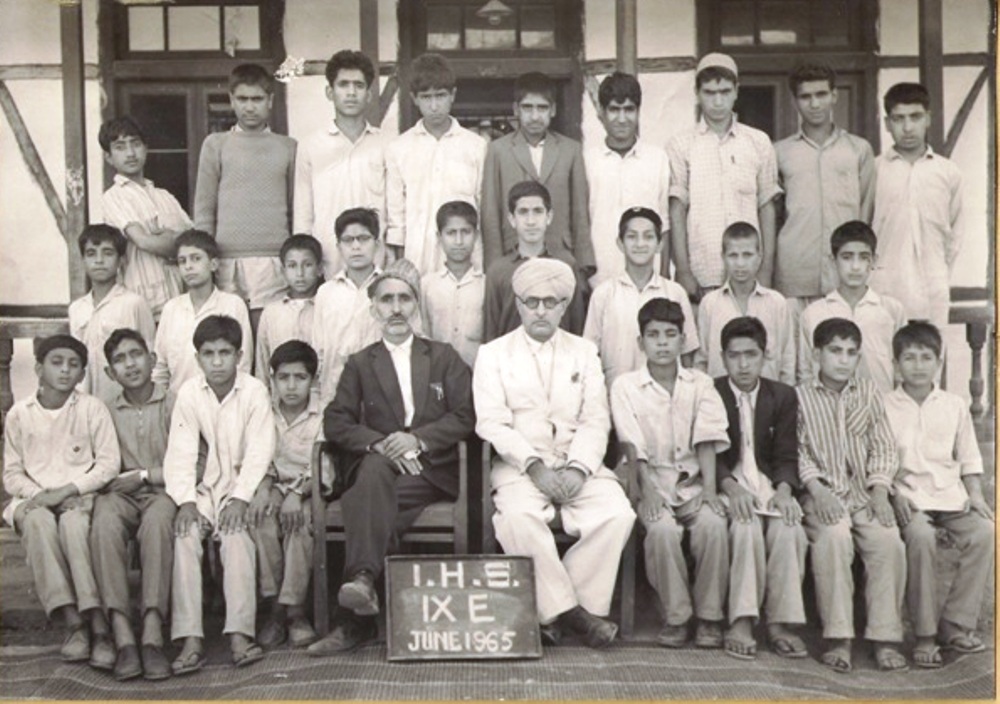
When indifference and hypocrisy reach a certain level, corrective forces inevitably emerge. The challenges confronting the teaching community today should be viewed not merely as administrative measures but also as a reminder of the consequences of prolonged neglect.
The appropriate response is neither outrage nor denial, but introspection. Teachers must return to their schools with renewed commitment, sincerity, and professional dedication. The only meaningful way to restore the dignity of the profession is through consistent service to students and society.
The uncomfortable truth is that merely making TET mandatory will not magically transform our education system. Meaningful reform requires transparency, accountability, and institutional integrity. Accountability must operate from the top down, not merely from the bottom up.

What significance does TET hold in a school where teachers enjoy complete freedom from accountability?
What miracle can TET perform in a school where two teachers are expected to educate one hundred students?
Educational transformation cannot be achieved through examinations alone. It requires honest intentions, equitable distribution of resources, effective governance, and a collective awakening of professional conscience.
Teachers should not fear examinations. Instead, they should focus on reclaiming the respect and trust that once defined their profession by turning schools once again into vibrant centres of learning.
(The author is a Best Teacher Awardee and currently heads PM Shri Government Secondary School, Laharwalpora, Bandipora. Ideas are personal.)