by Dr Kehkashan Iqbal
Declining public health is linked to commercialisation of healthcare, weak regulation, unethical doctor-pharma ties and eroding ethics, raising urgent concerns about accountability and reform
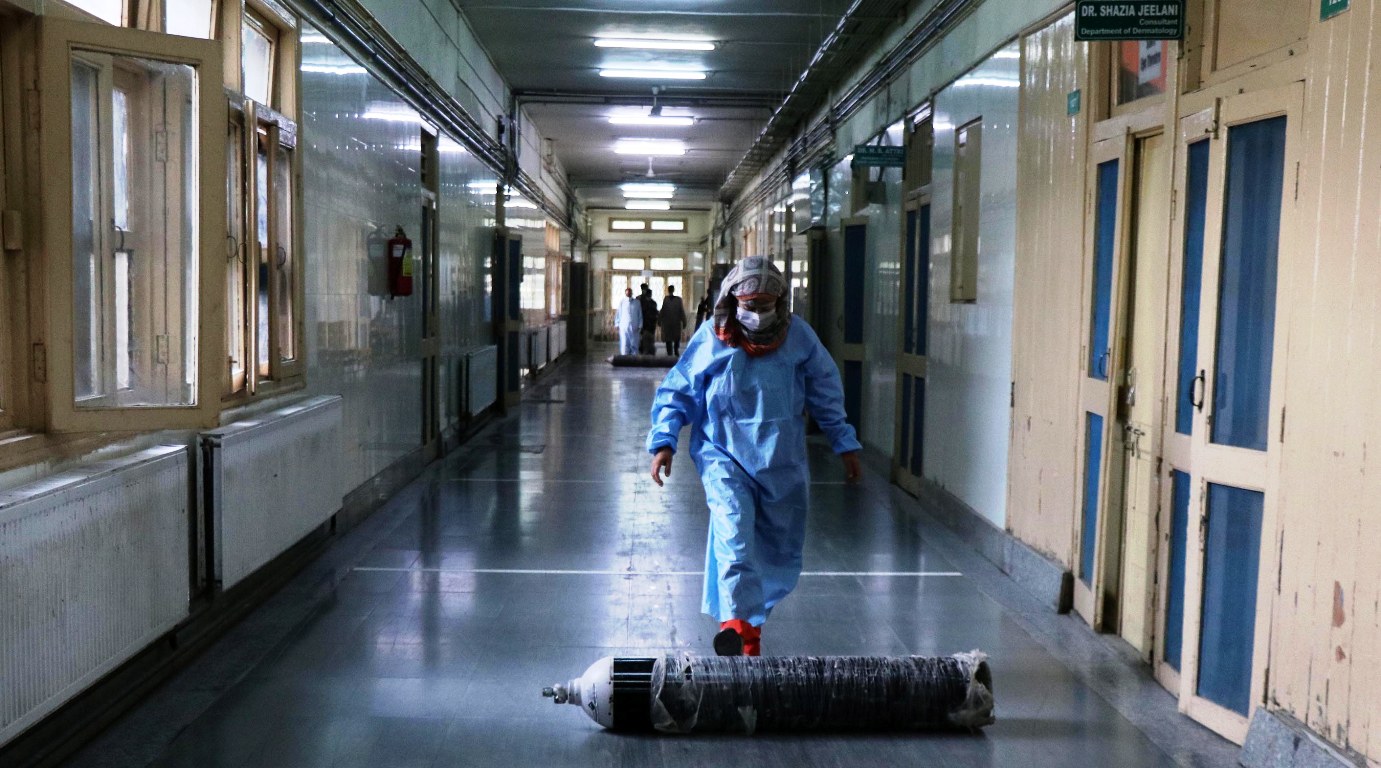
The health of a society is a direct reflection of the integrity of its healthcare system, which is measured not merely by statistics but by the well-being of its people and the trust they place in those meant to heal them. In recent years, the deteriorating state of health in our state has emerged as a silent crisis, affecting countless families across social and economic divides. Hospitals, once seen as places of hope and recovery, are increasingly becoming spaces of anxiety, financial distress, and moral uncertainty. At the heart of this crisis lies a troubling shift in the healthcare system—from compassionate care to commercial interest. Unfortunately, the state of health, particularly in this region, points to deep-rooted structural failures, unethical practices, and misplaced priorities that have gradually eroded public trust.
This deteriorating state of health in our state is not just a failure of policies or infrastructure; it is a tragedy that unfolds every day in hospital corridors, pharmacy queues, and silent homes where families watch their loved ones suffer helplessly. What makes this crisis even more painful is that it is often driven not by a lack of knowledge but by the slow erosion of conscience.
The major factors contributing to the declining state of health include, primarily, the commercialisation of healthcare. Hospitals and clinics increasingly function as profit-driven enterprises rather than public service institutions. Diagnostic tests are over-prescribed, branded medicines are favoured over affordable generics, and patients are often subjected to expensive treatment plans without adequate explanation or informed consent. For the poor and middle class, this leads to delayed treatment or complete avoidance of medical care, worsening health indicators across the state. The commercialisation of healthcare has turned suffering into business, and fear is often used as a tool to ensure compliance. Patients, unaware and vulnerable, rarely question a doctor’s advice because they believe in the sanctity of the white coat. This blind faith, once the greatest strength of the healthcare system, is now being misused by a few at the cost of many.
Regulatory failure further aggravates the crisis. Weak monitoring of drug quality, inadequate inspections, and a lack of accountability mechanisms allow sub-standard medicines to enter the supply chain. Corruption and inefficiency in enforcement agencies undermine public health safeguards, leaving patients exposed to unsafe and ineffective drugs. At the same time, grievance redressal systems remain inaccessible or ineffective, discouraging patients from seeking justice. The situation is compounded by shortages of qualified doctors in rural and underserved areas, poor infrastructure in government hospitals, and excessive workload on medical professionals. These systemic pressures create an environment where ethical compromises become easier, and oversight becomes weaker.
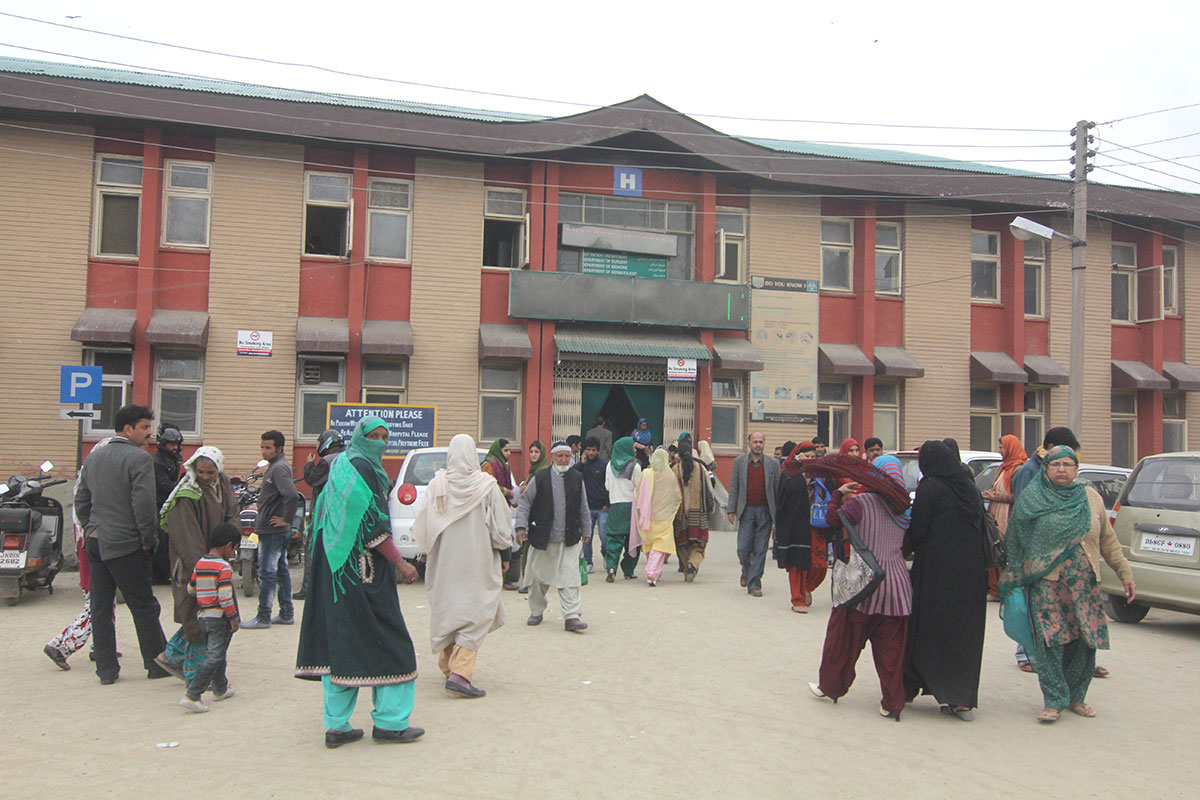
Among the most concerning issues is the growing nexus between sections of the medical profession and pharmaceutical interests, where profit often takes precedence over patient welfare. In recent years, there has been a noticeable increase in the prescription of sub-standard or unnecessary medicines, not always driven by medical necessity but by monetary incentives. Pharmaceutical companies, through aggressive marketing strategies, commissions, and inducements, influence prescribing patterns. This practice compromises the fundamental ethical duty of doctors to act in the best interest of patients and results in ineffective treatment, prolonged illness, and avoidable financial burdens on already vulnerable populations.
Every day, an unsettling scene unfolds quietly in clinics and hospital corridors: medical representatives enter spaces meant for healing to promote low-standard medicines through persuasion and incentives. What is most alarming is not merely their presence, but the nature of the conversations that follow. Discussions that should revolve around clinical evidence, safety, and effectiveness are reduced to negotiations over commissions and personal gains. The patient, waiting anxiously outside with faith in the doctor’s wisdom, remains unaware that decisions affecting their life may be influenced by profit rather than science or compassion.
This is perhaps the worst that can happen to a profession built on trust. When healers begin to bargain over commissions without first questioning the quality of medicines, it marks a moral low point in healthcare. Years of education, the sanctity of the medical oath, and society’s unwavering faith are all placed at risk for short-term financial benefit. There can be no deeper fall than allowing money to override conscience, especially in a field where a single prescription can determine life, suffering, or death. If this erosion of ethics continues unchecked, it will not only destroy the credibility of the medical fraternity but also leave society defenceless, with nowhere to turn in its most vulnerable moments. This is not merely a professional failure; it is the gravest betrayal of humanity itself.
Various research conducted across the country over the years has raised serious concerns about the prevalence of substandard medicines and their impact on public health. Studies by institutions such as the Central Drugs Standard Control Organisation and the Indian Council of Medical Research, along with independent academic institutions, have highlighted the risks posed by substandard and falsified medicines. Such medicines may not immediately show visible harm, but they often lead to treatment failure, prolonged illness, and, in severe cases, complications or death.
Research on substandard medicines in India underscores a critical truth: healthcare quality does not depend only on access but also on trust. Ensuring the safety, efficacy, and standard of medicines is not just a regulatory responsibility—it is a moral obligation to protect public health and preserve faith in the healthcare system. Academic studies and public health analyses have also warned that such medicines can lead to treatment failure, prolonged illness, complications, and, in serious cases, loss of life. Yet despite these documented risks, concerns remain that many doctors continue to prescribe such substandard and unsafe medicines, which is deeply troubling.
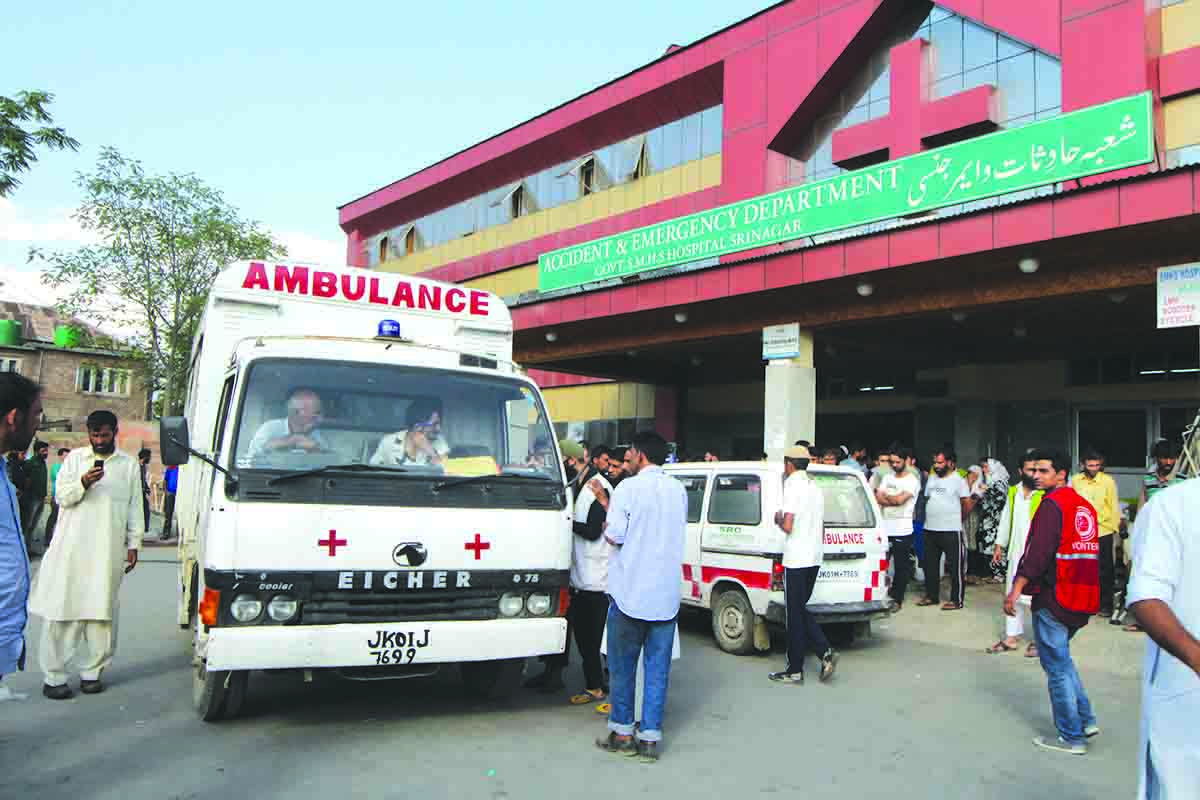
In a society where doctors have long been regarded as next to God, not because they are infallible, but because they hold human lives in their hands with compassion and responsibility, these developments raise serious concerns. Doctors have traditionally occupied a sacred position in society, bound by ethics, empathy, and the promise to do no harm. They are not just professionals but parents, children, and members of families who understand the value of life and suffering. Yet allegations of substandard medicines, unnecessary prescriptions, and profit-driven practices raise painful questions about the erosion of medical ethics.
Every doctor is also a son or daughter, a parent, or a sibling. They return home to families who trust them, love them, and believe in the nobility of their profession. It is deeply unsettling, then, to witness sections of the medical community promoting substandard or unnecessary medicines for monetary gain, knowing fully well that the patient on the other side is someone else’s father, mother, or child. Behind every prescription is a family’s hope: a poor mother selling her jewellery to buy medicines, an elderly man spending his life savings on treatment, or parents praying silently outside ICU doors. When such trust is exploited through profit-driven prescriptions influenced by pharmaceutical incentives, it does not just harm the patient; it breaks families, shatters faith, and leaves scars that no medicine can heal.
What is most heartbreaking is that the same unethical practices harm doctors themselves in the long run. When society begins to doubt its healers, when families hesitate before entering hospitals, and when the profession loses its moral standing, it is not just patients who suffer; it is the dignity of medicine itself. The actions of a few tarnish the sacrifices of countless honest doctors who work tirelessly in overcrowded hospitals, often underpaid and overworked.
Addressing the deteriorating state of health requires urgent reforms. Strengthening regulatory frameworks, ensuring transparency in doctor-pharma relationships, promoting generic medicines, and reinforcing medical ethics through strict enforcement are essential steps. Healthcare must be treated as a public good rather than a commercial commodity. Only by restoring accountability, integrity, and patient-centric care can the state reverse this alarming decline and rebuild public confidence in its healthcare system.
This deteriorating state of health in our state is ultimately a question of conscience as much as it is of policy. When healthcare drifts away from compassion and becomes driven by profit, society pays the price in broken trust, financial ruin, and preventable suffering. Patients approach doctors with faith born out of desperation, believing that the white coat symbolises honesty, care, and moral responsibility. Betraying that faith wounds not only individuals but entire families who place their lives and hopes in the hands of healers.
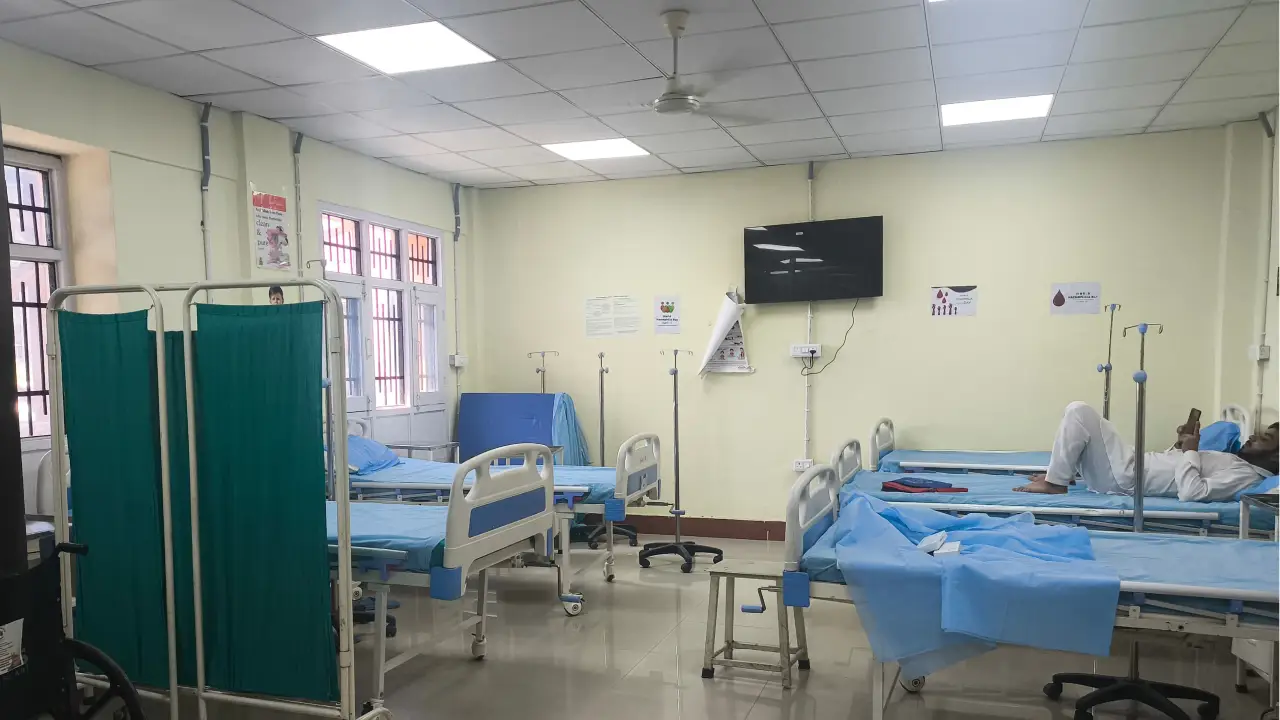
This crisis cannot be resolved by blame alone. It demands collective accountability from doctors, who must reaffirm their ethical duty; from regulatory authorities, who must enforce strict oversight; and from institutions, which must prioritise public welfare over commercial gain. The medical profession must remember that every prescription affects a household, every diagnosis carries emotional weight, and every unethical decision leaves a lasting imprint on society. Restoring the dignity of healthcare requires courage, transparency, and empathy. Medicine must return to its foundational purpose: to heal, to comfort, and to protect life. Only when humanity is placed above profit can the healthcare system regain public trust and ensure that no family’s suffering becomes someone else’s source of income.
The purpose of this discussion is not to attack the medical profession as a whole, especially when countless doctors continue to serve society with integrity, compassion, and dedication. Rather, it is a sincere call for introspection and reform, a call to conscience and a reminder that medical education is not merely a professional achievement but a profound moral responsibility. Addressing this moral and systemic failure is essential to restoring public trust and safeguarding the right to health with dignity.
This is a moment of moral reckoning. Doctors and associated stakeholders must ask themselves whether short-term monetary gain is worth the lifelong guilt of knowing that another family suffered because of compromised ethics. Regulators must remember that negligence costs lives. Society must demand a healthcare system rooted in empathy, transparency, and justice. Above all, doctors must take the sacred responsibility of ensuring that healthcare does not become a marketplace. Until compassion is restored at the heart of medicine, the health of our state will continue to decline—not just in statistics, but in humanity as well.
(The author has recently completed her PhD from the University of Kashmir. Her research interests include exploring the relationship between law and journalism. Ideas are personal.)